
10 Essential Cooking Terms Every Home Chef Should Know (2026): Cooking Terminology Explained

10 Essential Cooking Terms Every Home Chef Should Know (2026): Cooking Terminology Explained
Have you ever opened a recipe and wondered, “What does it actually mean to fold ingredients or cook something al dente?” You’re definitely not alone. For many beginners, cooking terms can feel like a completely different language.
The good news? Once you understand a few essential techniques, everything starts to make sense—and cooking becomes far more enjoyable.
In this guide, we’ll break down 10 essential cooking terms every home chef should know, using simple explanations, practical tips, and real kitchen examples. By the end, you’ll feel more confident reading recipes and cooking like a pro.
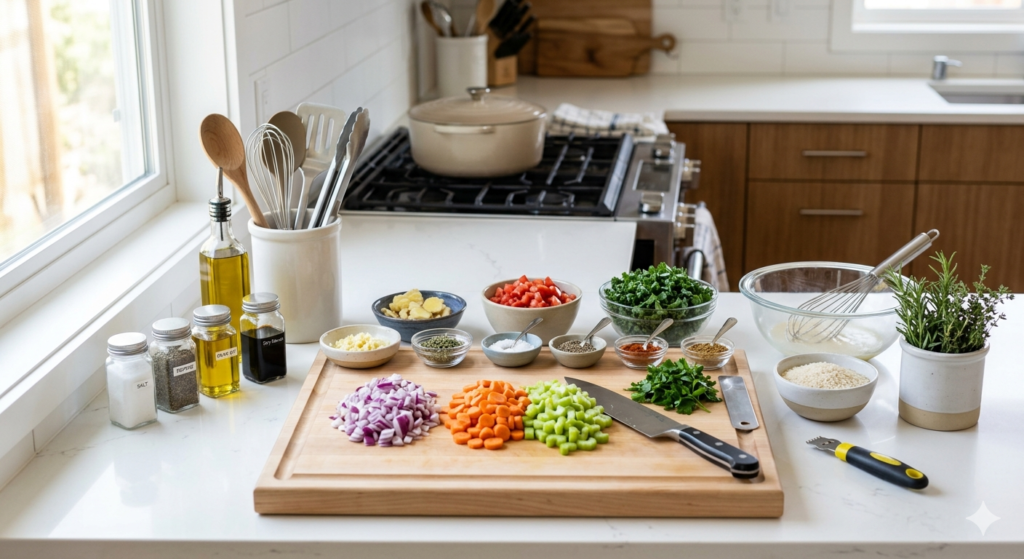
1. Mise en Place (Your Kitchen Game Plan)
“Mise en place” is a French term that means “everything in its place.” It’s one of the most important habits in cooking—and often the difference between chaos and confidence in the kitchen.
Instead of scrambling for ingredients mid-recipe, you prepare everything in advance.
👉 If you want to master this skill fully, check out: Mise en Place: How to Organize Your Cooking Like a Pro
What It Looks Like:
- Ingredients measured and prepped
- Tools cleaned and ready
- Workspace organized
- Recipe reviewed beforehand
This simple habit will instantly improve your cooking flow and reduce stress.
2. Sauté (Quick Cooking with High Heat)
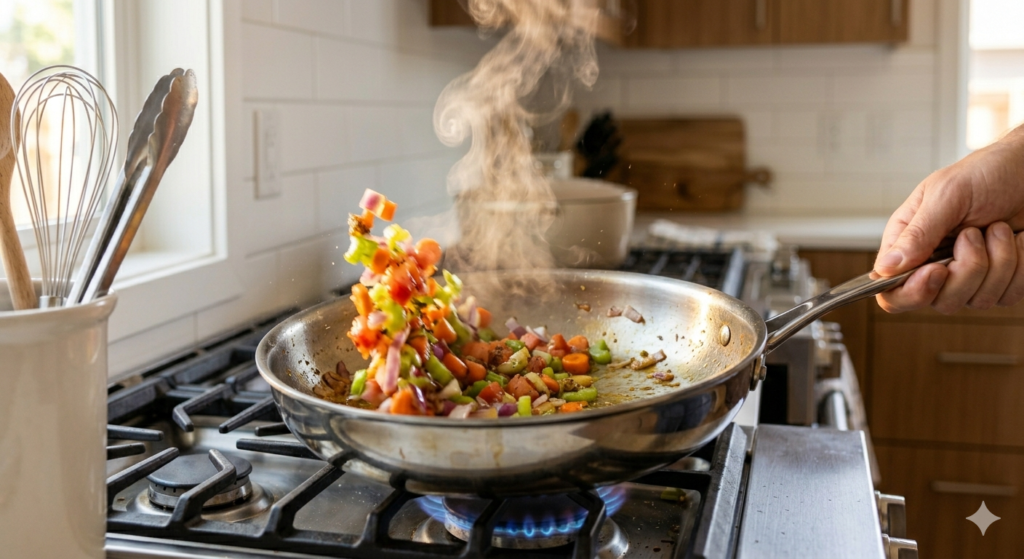
Sautéing is one of the most commonly used cooking methods. It means cooking food quickly in a small amount of oil over relatively high heat.
The word comes from the French “sauter,” meaning “to jump”—which describes how food moves in the pan.
Key Tips:
- Preheat your pan before adding oil
- Use a heavy-bottomed pan
- Avoid overcrowding (this causes steaming instead)
- Stir or toss frequently
Understanding heat levels is crucial here—learn more in 👉 Kitchen Temperatures: The Complete Guide from Simmer to Boil
3. Blanching and Shocking (Locking in Color and Texture)
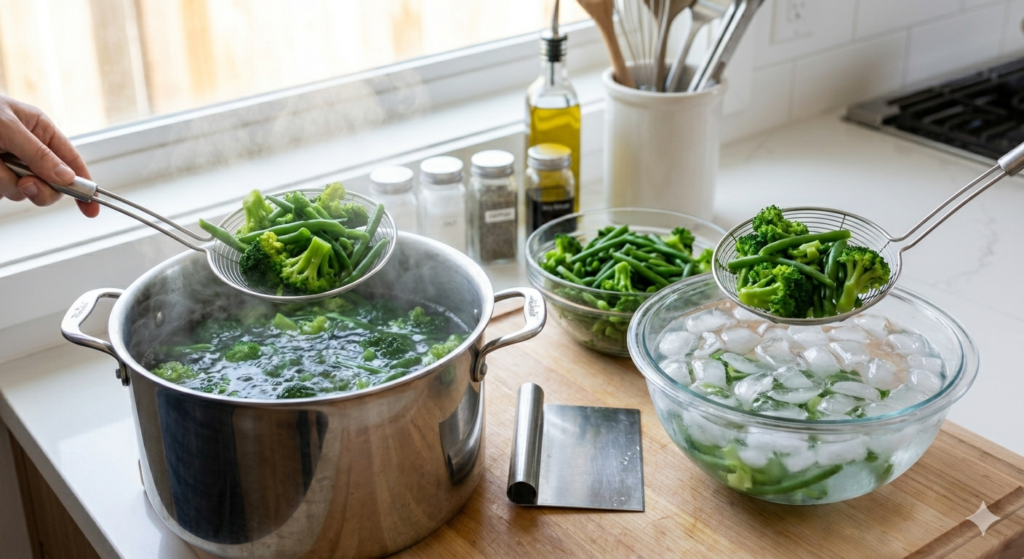
Blanching involves briefly boiling food—usually vegetables—then immediately transferring them into ice water (called shocking).
This technique preserves:
- Bright color
- Crisp texture
- Nutrients
How to Do It:
- Bring water to a rolling boil
- Add salt (like seawater)
- Cook vegetables for 1–3 minutes
- Transfer to ice water immediately
- Drain once cooled
This method is also helpful for safe food handling—see 👉 Food Safety 101: Storage, Handling, and Temperature Guide
4. Al Dente (Perfect Pasta Texture)
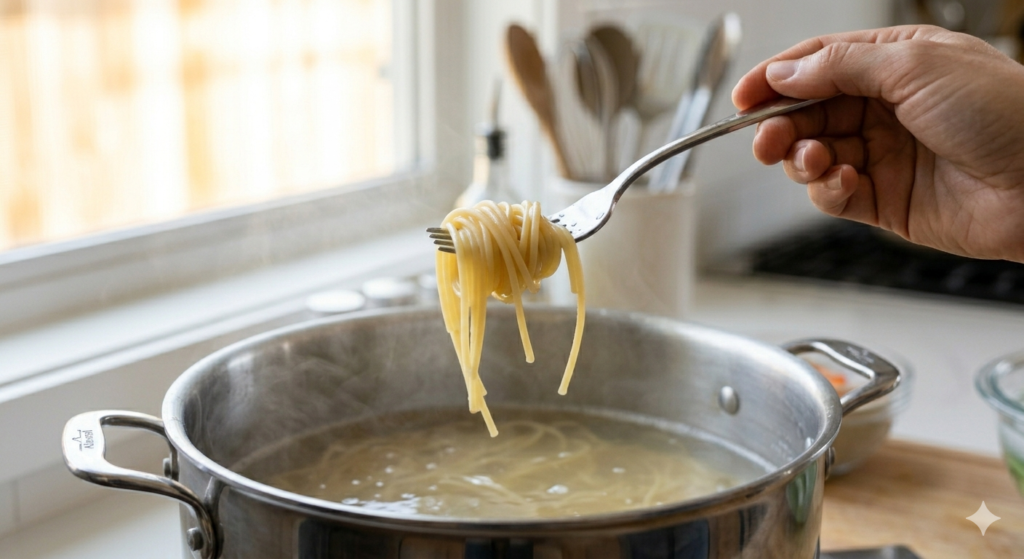
“Al dente” is an Italian term meaning “to the tooth.” It describes pasta that is cooked until firm but not hard.
How to Check:
- Bite into the pasta—it should have slight resistance
- Cut it open—look for a tiny white center
Avoid overcooking, which leads to mushy pasta and loss of flavor.
Precise measurement matters here—learn more in 👉 Complete Guide to Measuring Ingredients Accurately
5. Folding (Gentle Mixing Technique)
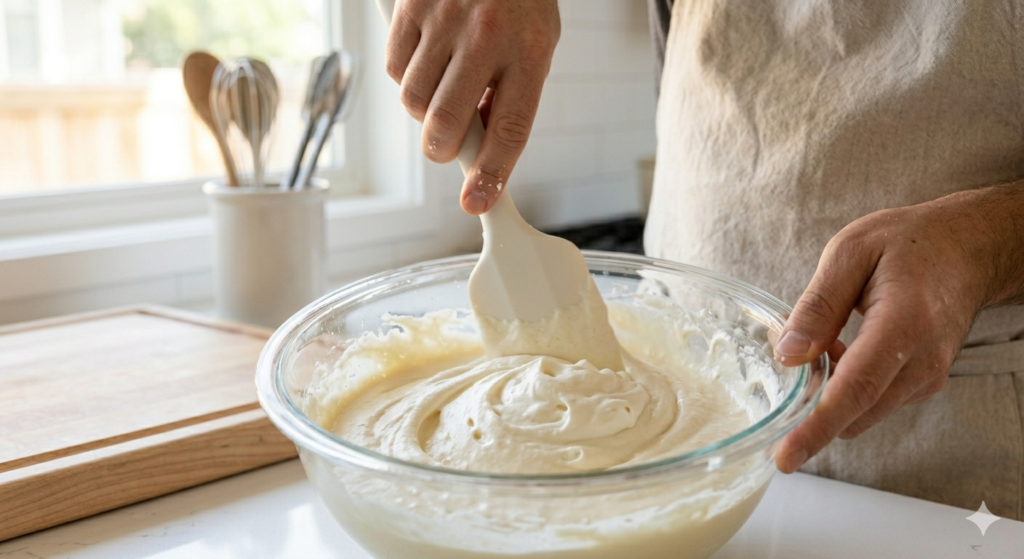
Folding is used when you want to combine ingredients without losing air—like mixing whipped cream into batter.
Think of it as gentle, controlled mixing instead of aggressive stirring.
How to Fold:
- Use a spatula
- Cut through the center
- Lift from the bottom
- Turn the bowl and repeat
This technique is essential in baking and sauces—explore more in 👉 Master the Art of Sauce Making: Basic Techniques (2025)
6. Reducing (Concentrating Flavor)
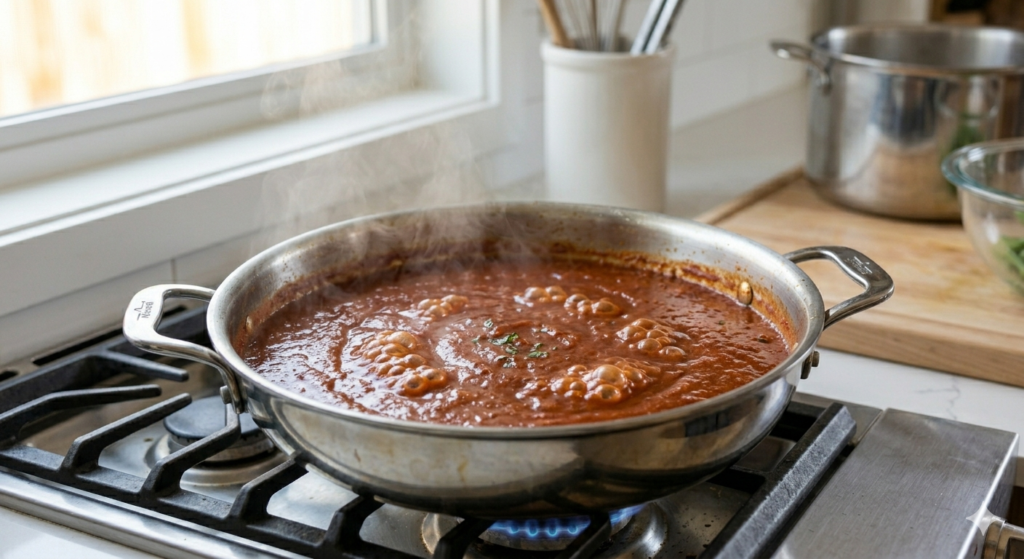
Reducing means simmering a liquid to evaporate water and intensify flavor.
You’ll use this technique often for:
- Sauces
- Gravies
- Stocks
Tips for Success:
- Use a wide pan for faster evaporation
- Keep a steady simmer
- Stir occasionally
- Watch closely to avoid burning
This is a core skill for flavor building and sauce perfection.
7. Braising (Low and Slow Cooking)
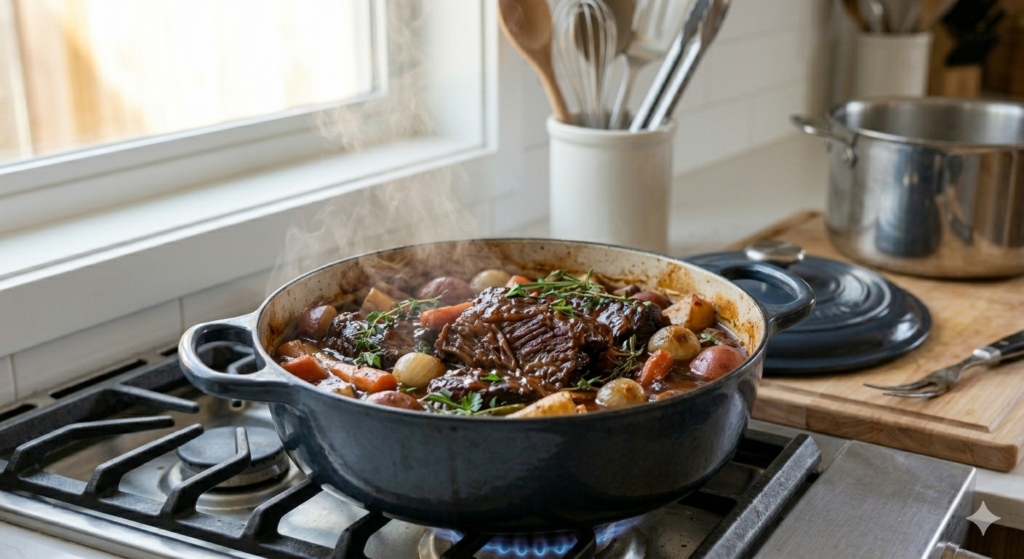
Braising is a two-step method:
- Sear food at high heat
- Cook it slowly in liquid
It’s perfect for tougher cuts of meat, transforming them into tender, flavorful dishes.
Braising Basics:
- Sear meat until browned
- Add aromatics (onions, carrots, celery)
- Pour liquid halfway up the meat
- Cover and cook slowly
Want to perfect your searing step? Read 👉 The Ultimate Guide to Perfectly Seared Meat
8. Deglazing (Unlocking Hidden Flavor)
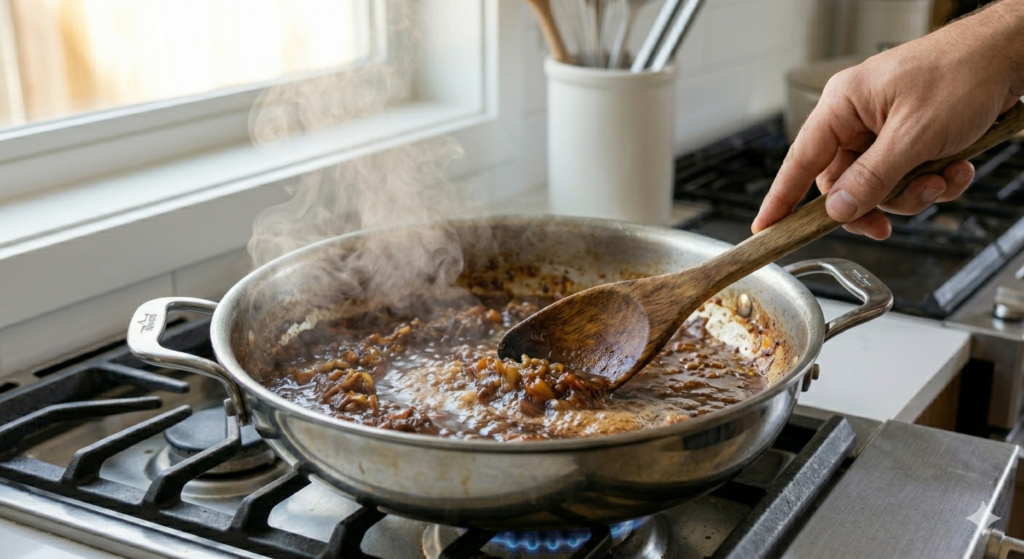
After cooking, you’ll notice browned bits stuck to the pan—this is called fond, and it’s packed with flavor.
Deglazing helps you turn that into a delicious sauce.
How to Deglaze:
- Remove cooked food
- Add liquid (stock, wine, or water)
- Scrape the pan
- Let it simmer and reduce
This technique is widely used in professional kitchens.
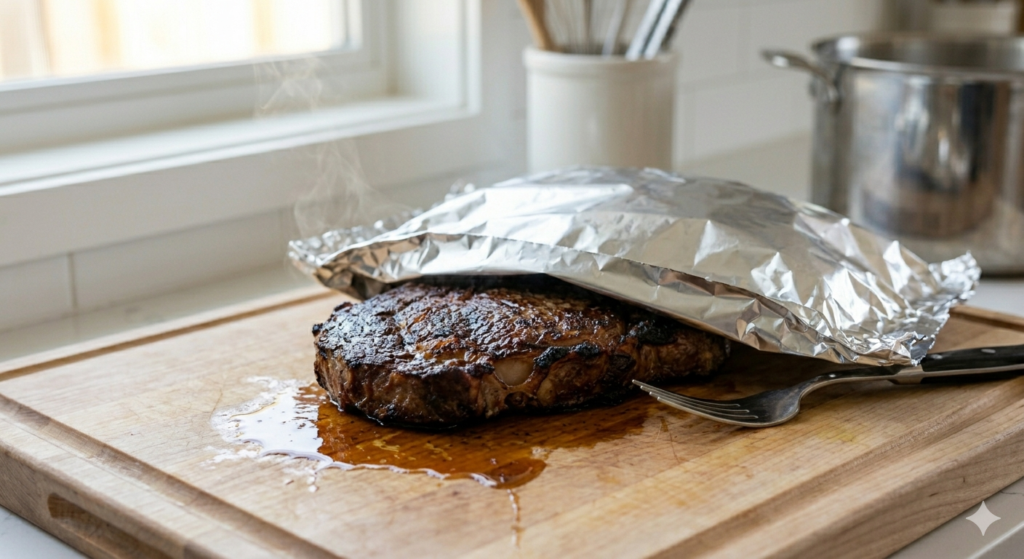
9. Resting (Juicy, Tender Meat)
Resting allows meat to reabsorb its juices after cooking.
If you cut it too soon, all the juices will run out—leaving the meat dry.
Resting Guidelines:
- Small cuts: 5–10 minutes
- Large roasts: 15–20 minutes
- Cover loosely with foil
This step is critical for perfect results, especially after high-heat cooking.
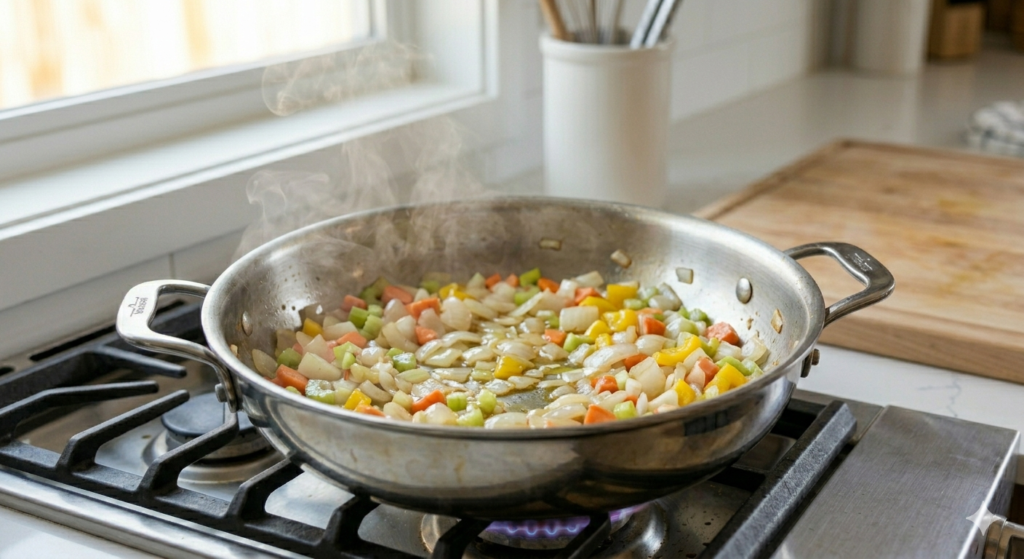
10. Sweating (Gentle Flavor Building)
Sweating means cooking vegetables slowly over low heat until soft and translucent—without browning.
It’s often the first step in soups, sauces, and stews.
Key Points:
- Use low heat
- Add a pinch of salt
- Cover partially
- Avoid browning
This technique builds a strong flavor base for many dishes.
Why Learning Cooking Terms Matters
Understanding cooking terminology isn’t just about following recipes—it helps you:
- Cook with confidence
- Fix mistakes easily
- Improve flavor and texture
- Become more creative in the kitchen
For a complete beginner-friendly foundation, you might also enjoy 👉 How to Cook: The Complete Guide for Beginners
A Trusted Resource for Culinary Techniques
If you want to explore professional-level definitions and techniques, the
Culinary Institute of America offers excellent resources and insights into culinary fundamentals.
Final Thoughts
Learning these essential cooking terms is like unlocking a new level in your cooking journey. What once felt confusing will now feel natural—and even exciting.
Start small. Practice one or two techniques at a time. As you gain confidence, you’ll notice your cooking becoming smoother, faster, and far more delicious.
Before long, you won’t just be following recipes—you’ll truly understand them.
And that’s when cooking becomes an art. 🍳