Food Safety 101: Storage, Handling, and Temperature Guide
Understanding Food Safety Basics
Food safety is one of the most important aspects of cooking, yet it is often overlooked by beginners. Proper food handling, storage, and temperature control are essential for preventing illness and ensuring that your meals are safe to eat.
Every year, millions of people experience foodborne illnesses caused by improper food handling. These issues are often avoidable with simple habits and awareness. Whether you are cooking at home or preparing meals for others, following basic food safety principles protects both your health and the quality of your food.
If you are new to cooking, combining safety practices with the fundamentals from how to cook properly will help you build a strong and reliable kitchen routine.
The Temperature Danger Zone
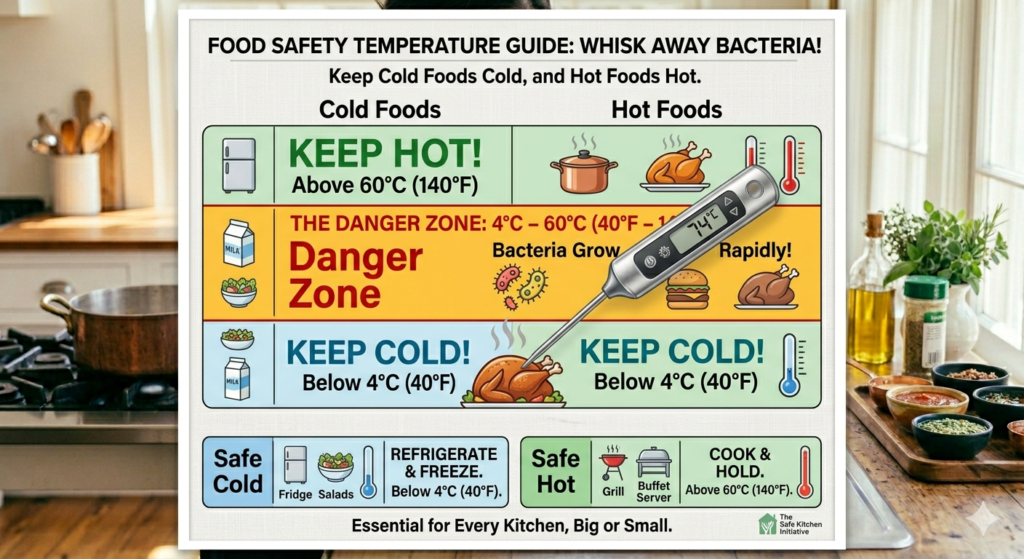
One of the most important concepts in food safety is the temperature danger zone. This is the range in which bacteria grow rapidly, and food becomes unsafe.
- Danger Zone: 40°F to 140°F (4°C to 60°C)
When food remains in this range for too long, bacteria multiply quickly, increasing the risk of foodborne illness.
To stay safe:
- Keep cold foods below 40°F
- Keep hot foods above 140°F
- Avoid leaving food at room temperature for extended periods
Understanding how heat affects food is essential. Learning kitchen temperature control will help you manage cooking and storage more effectively.
Refrigeration Fundamentals
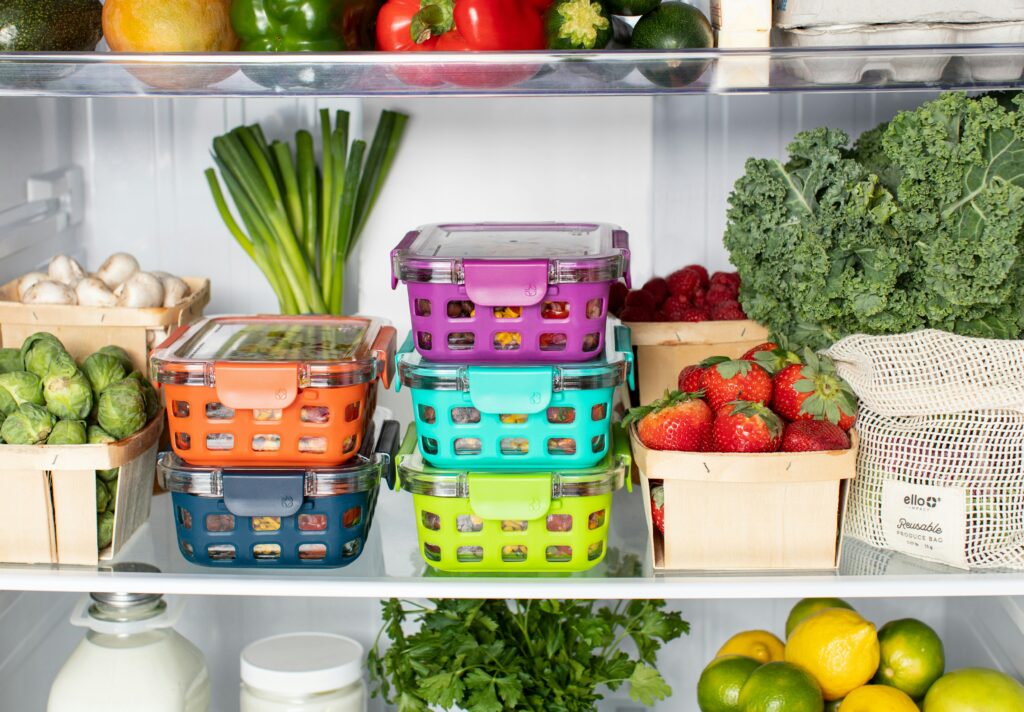
Proper refrigeration is key to slowing bacterial growth and preserving food quality.
Perishable foods should be refrigerated within two hours of cooking or purchasing. In hot environments, this time should be reduced to one hour.
Best practices for refrigeration:
- Keep your refrigerator at or below 40°F
- Store raw meat on lower shelves to prevent dripping
- Keep ready-to-eat foods separate from raw ingredients
- Use airtight containers to maintain freshness
Organizing your refrigerator efficiently can make a big difference. Using methods like mise en place helps keep your kitchen structured and reduces mistakes.
Safe Food Handling Practices
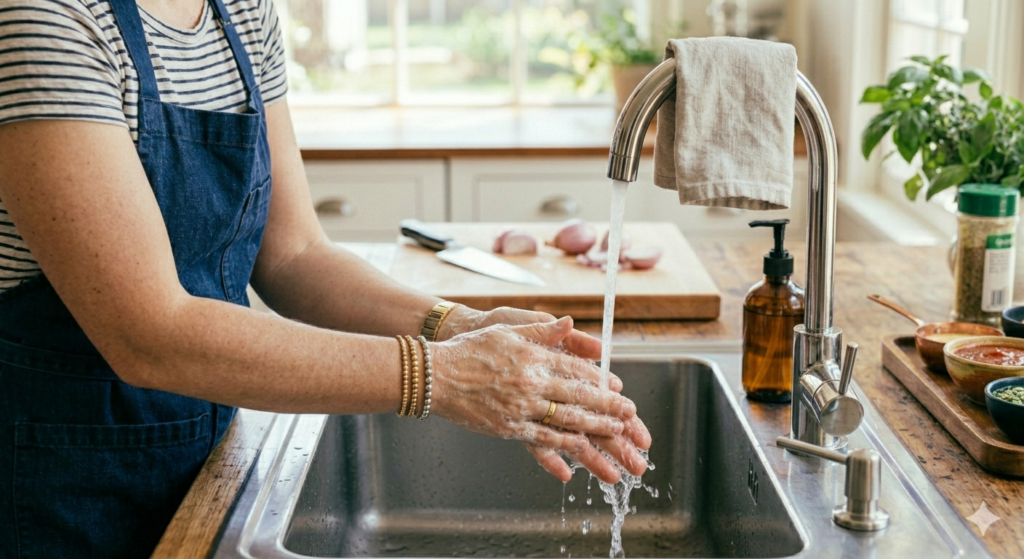
Good hygiene is the foundation of food safety. Small habits can prevent major problems.
Essential practices include:
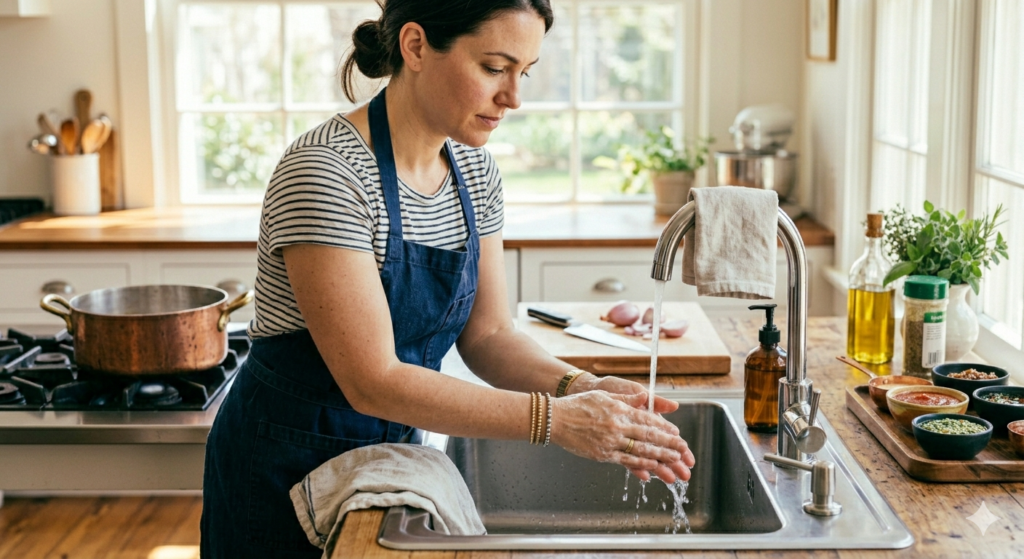
- Wash hands thoroughly before and after handling food
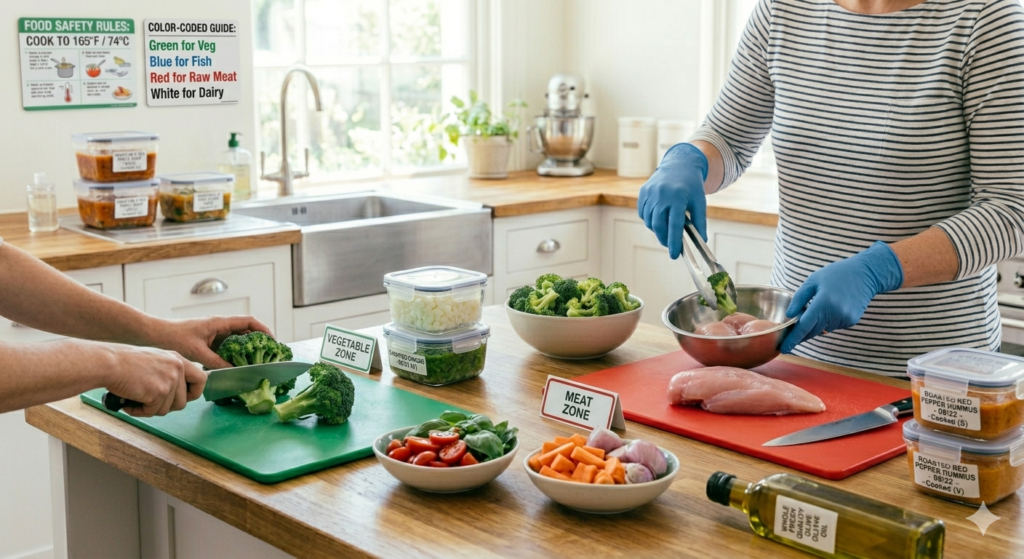
- Use separate cutting boards for raw meat and vegetables
- Clean knives, utensils, and surfaces immediately after use
- Avoid touching cooked food with unwashed hands
Cross-contamination is one of the biggest causes of foodborne illness. Using proper tools and maintaining cleanliness reduces this risk significantly.
Using sharp knives also improves safety and control during food preparation. Learning knife sharpening techniques can help you handle ingredients more safely.
Safe Cooking Temperatures
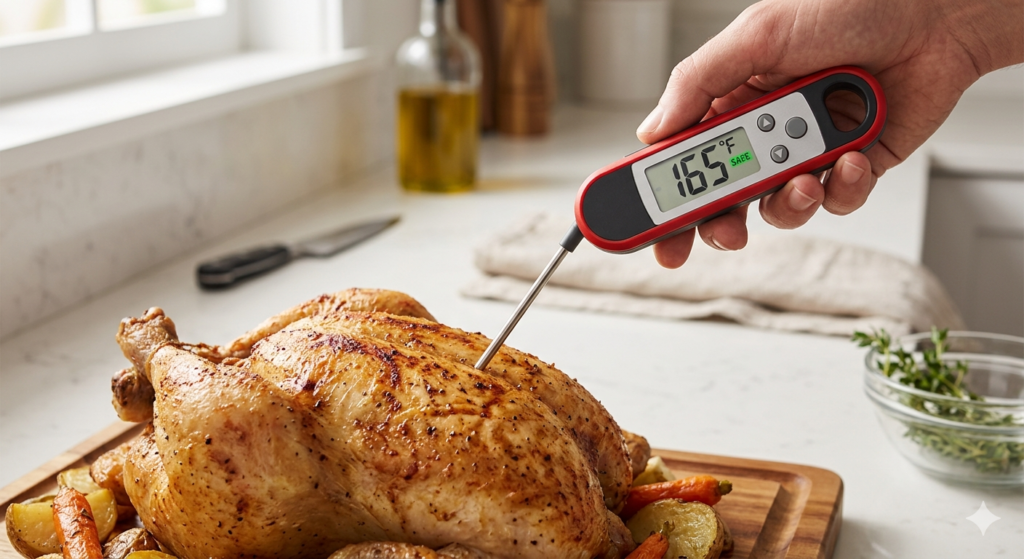
Cooking food to the correct internal temperature is essential for killing harmful bacteria.
Here are the recommended safe temperatures:
- Poultry: 165°F (74°C)
- Ground meats: 160°F (71°C)
- Beef, lamb: 145°F (63°C)
- Fish: 145°F (63°C)
Using a food thermometer is the most reliable way to ensure safety. Guessing can lead to undercooked or unsafe food.
Temperature control is especially important when cooking meat. Applying techniques from perfectly seared meat while maintaining safe temperatures ensures both flavor and safety.
Proper Food Storage Guidelines
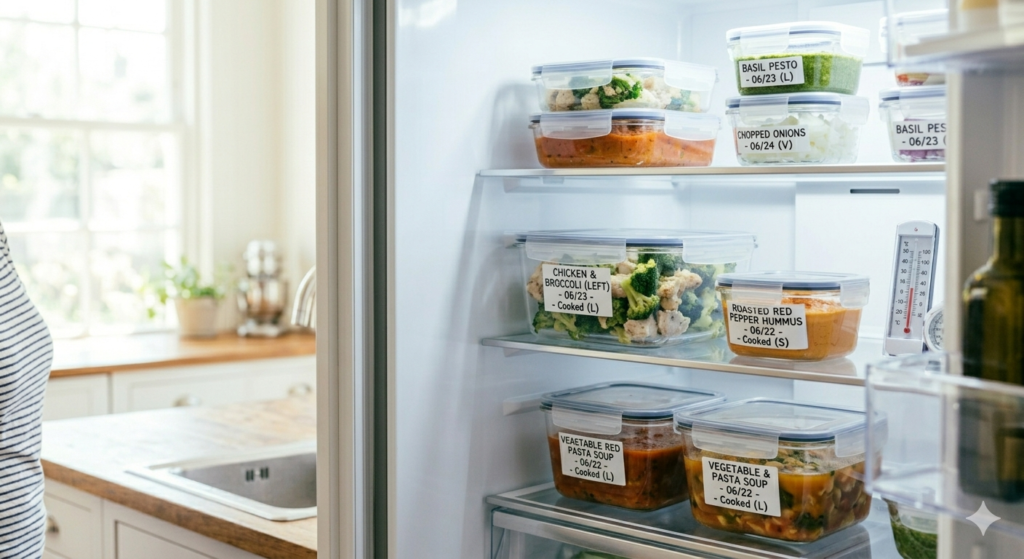
Storing food correctly helps extend shelf life and prevent spoilage.
Key storage tips:
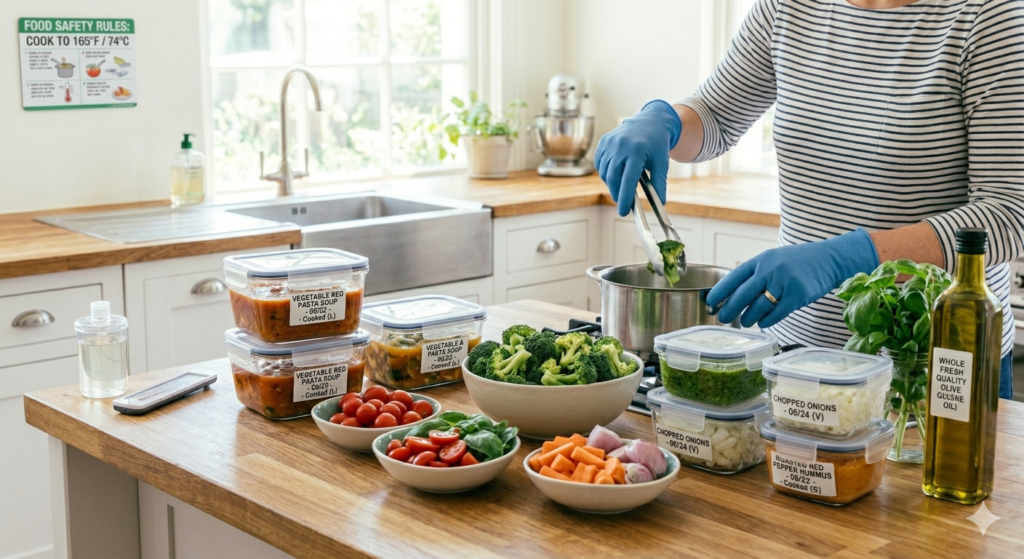
- Store leftovers in shallow containers for faster cooling
- Refrigerate leftovers within two hours
- Consume leftovers within 3 to 4 days
- Freeze food if you need longer storage
Labeling containers with dates can help you keep track of freshness and avoid waste.
Proper measurement and portioning can also help reduce leftovers. Learning accurate measuring techniques supports better planning and storage.
Preventing Cross-Contamination
Cross-contamination occurs when harmful bacteria transfer from one surface or food to another.
To prevent it:
- Use separate cutting boards for meat and vegetables
- Wash hands after handling raw food
- Clean surfaces thoroughly between tasks
- Store raw and cooked foods separately
Even small mistakes can lead to contamination, so consistency is important.
Organizing your workflow using mise en place reduces the risk of mixing ingredients and improves overall safety.
Common Food Safety Risks
Certain foods carry a higher risk of contamination and require extra care.
High-risk foods include:
- Raw or undercooked meat
- Unpasteurized dairy products
- Raw eggs
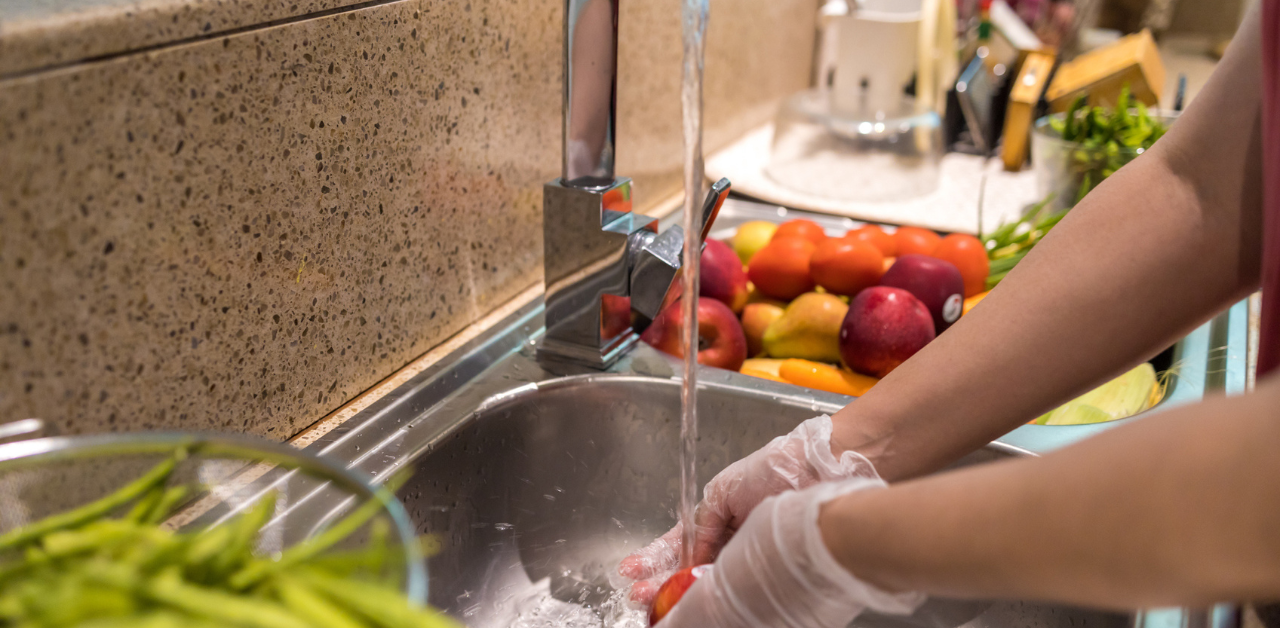
- Unwashed fruits and vegetables
Always inspect food before use. If something smells unusual or looks spoiled, it is safer to discard it.
Pay attention to expiration dates, but also rely on visual and smell checks as additional indicators.
Special Considerations for Vulnerable Groups
Some individuals are more sensitive to foodborne illnesses and require extra precautions:
- Pregnant women
- Young children
- Elderly individuals
- People with weakened immune systems
For these groups, it is especially important to cook food thoroughly, avoid raw or undercooked items, and maintain strict hygiene practices.
Building Safe Kitchen Habits
Food safety is not just about rules—it is about developing consistent habits.
Simple routines can make a big difference:
- Clean as you cook
- Prepare ingredients before starting
- Keep your workspace organized
- Monitor cooking temperatures carefully
Combining these habits with structured preparation methods like mise en place improves both safety and efficiency.
Recommended Resource
For comprehensive food safety guidelines and easy-to-follow charts, visit the official food safety charts from FoodSafety.gov. This resource covers safe cooking temperatures, storage practices, and handling tips to help you maintain a safe kitchen.
Conclusion
Food safety is an essential part of every kitchen. By following proper storage, handling, and cooking practices, you can prevent most food-related illnesses.
These habits not only protect your health but also improve the quality and consistency of your cooking
Next Steps
To continue improving your kitchen safety:
- Practice proper hygiene consistently
- Learn correct cooking temperatures
- Organize your kitchen workflow
- Store food correctly and monitor freshness
- Build strong daily habits
With time and practice, food safety will become a natural part of your cooking routine, helping you prepare meals with confidence and care.