
15 Authentic Mexican Recipes: Bold & Flavorful
Introduction
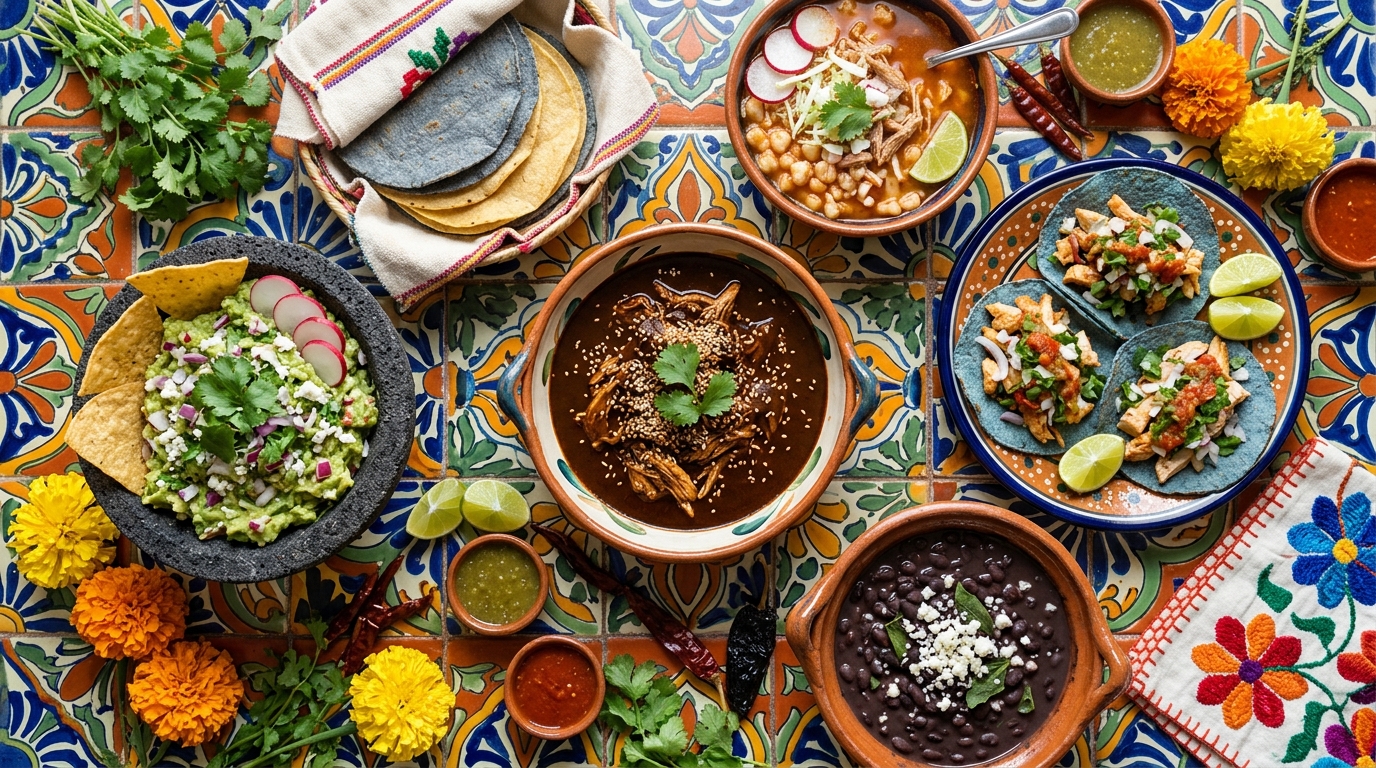
Mexican cuisine is one of the most celebrated, complex, and deeply beloved food cultures in the entire world — and for very good reason. Recognized by UNESCO as an Intangible Cultural Heritage of Humanity, Mexican cooking is not simply a collection of recipes but a living tradition stretching back thousands of years, rooted in the ancient civilizations of the Aztec and Maya, shaped by centuries of regional diversity, and expressed through an extraordinary palette of indigenous ingredients that no other cuisine on earth can replicate.
To eat authentic Mexican food — genuinely authentic, not the Tex-Mex approximation that dominates so many restaurant menus outside of Mexico — is to encounter something of remarkable depth and sophistication. It is the slow-simmered complexity of a proper mole negro, built from dozens of ingredients over several hours. It is the bright, smoky freshness of a salsa made with charred tomatillos. It is the tender, chile-braised meat of a birria that has cooked low and slow until it falls apart at the touch of a fork. It is corn tortillas made by hand from masa harina, warm and fragrant and unlike anything that comes from a packet.
In this guide, we have compiled 15 of the most authentic, flavorful, and achievable halal Mexican recipes for the home kitchen — spanning the most iconic dishes from across Mexico’s diverse culinary regions, prepared with entirely halal ingredients. Each recipe comes with its history, key ingredients, technique guidance, regional context, and tips for achieving genuinely authentic results at home.
Whether you are cooking Mexican food for the first time or deepening a long-standing love of this magnificent cuisine, these recipes will take you somewhere extraordinary.
Bienvenidos a la cocina mexicana. Welcome to the Mexican kitchen.
The Soul of Authentic Mexican Cooking
Before diving into the recipes, understanding what separates authentic Mexican cooking from its international imitations will make you a more informed, more respectful, and ultimately more skilled cook of this remarkable cuisine.
The Holy Trinity of Mexican Cooking: Corn, Chilies, and Beans
These three ingredients have sustained Mexican civilizations for over 9,000 years and remain the foundation of the cuisine today. Corn — in the form of masa (nixtamalized corn dough) for tortillas, tamales, and antojitos — is the structural backbone of Mexican cooking. Chilies — in their fresh, dried, smoked, and powdered forms — provide the color, complexity, and depth that make Mexican food unlike anything else. Beans — black, pinto, ayocote, and beyond — provide protein, earthiness, and that irreplaceable creamy richness.
The Importance of Dried Chilies
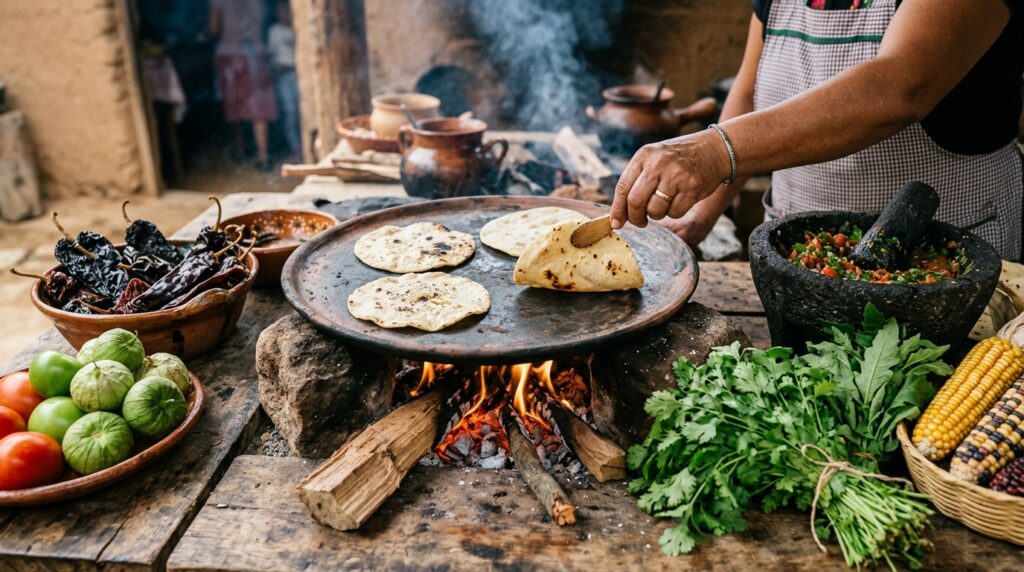
This cannot be overstated: dried chilies are the single most important ingredient in authentic Mexican cooking, and they are not simply a heat source. Each variety — ancho, mulato, pasilla, guajillo, morita, chipotle, árbol, cascabel — brings a completely distinct flavor profile to a dish. Ancho chilies contribute a sweet, raisin-like depth. Guajillo chilies add bright, tannic, slightly cranberry-like notes. Chipotle in adobo brings smoky, earthy heat. Learning to use dried chilies is the single most transformative step any home cook can take toward authentic Mexican flavor.
The Comal and the Molcajete
Two pieces of traditional equipment define authentic Mexican technique: the comal (a flat griddle, traditionally clay, now commonly cast iron or carbon steel) used for toasting tortillas, charring vegetables and chilies, and cooking antojitos; and the molcajete (a volcanic stone mortar and pestle) used for grinding salsas, guacamole, and spice pastes to a traditional textured consistency. Neither is strictly necessary for good results, but both reward the investment enormously.
If you are building your kitchen skills from the ground up before tackling these recipes, our How to Cook: The Complete Guide for Beginners provides all the foundational techniques and confidence you need.
15 Authentic Mexican Recipes
Tacos, Antojitos, and Street Food
1. Chicken Tacos al Pastor Style
Origin: Inspired by Mexico City | Difficulty: Intermediate | Prep + Cook Time: 4 hours including marinating**
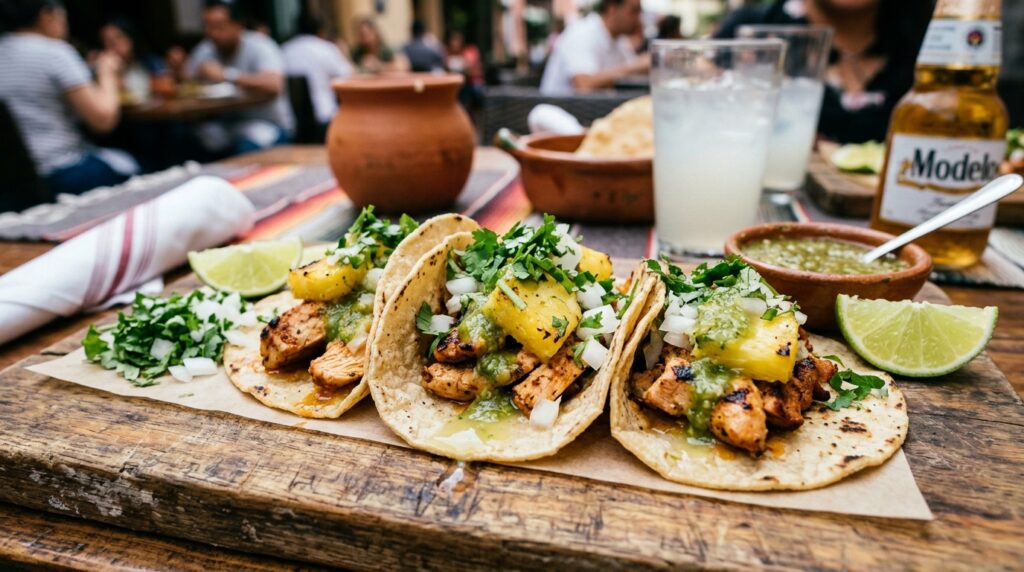
Al pastor is Mexico City’s most iconic taco flavor — a dish born from Lebanese shawarma traditions transformed over generations into something magnificently Mexican through the use of achiote paste, dried chilies, and fresh pineapple. This halal version uses tender marinated chicken thighs that deliver every bit of the bold, smoky, citrusy flavor the dish is celebrated for.
Key ingredients: Chicken thighs (boneless, skinless), guajillo and ancho dried chilies, achiote paste, pineapple juice, white vinegar, garlic, cumin, oregano, cloves, fresh pineapple, small corn tortillas, white onion, fresh cilantro, salsa verde, lime wedges
The marinade: Toast and rehydrate the dried chilies, then blend with achiote paste, pineapple juice, vinegar, garlic, and spices into a smooth, deeply colored marinade. Score the chicken thighs and marinate for a minimum of 4 hours — overnight is ideal for the deepest flavor penetration. The achiote gives the meat its characteristic vivid red color.
Cooking method: Grill the marinated chicken over high heat, or cook in a screaming hot cast iron skillet until charred at the edges and cooked through. Rest for 5 minutes, then slice or chop roughly. Serve immediately on warmed corn tortillas with fresh pineapple, diced onion, cilantro, and salsa verde.
What makes it special: The combination of achiote, dried guajillo and ancho chilies, and pineapple juice in the marinade creates the unmistakable pastor flavor. Do not substitute with generic chili powder — the dried chilies are essential.
Pro tip: The pineapple juice in the marinade tenderizes the chicken through the enzyme bromelain. Do not marinate for longer than 24 hours or the texture of the chicken will become mushy.
2. Tacos de Barbacoa de Res (Beef Barbacoa Tacos)
Origin: Central Mexico, Hidalgo | Difficulty: Easy (slow cooker) | Prep + Cook Time: 30 mins prep + 8 hours slow cooking**
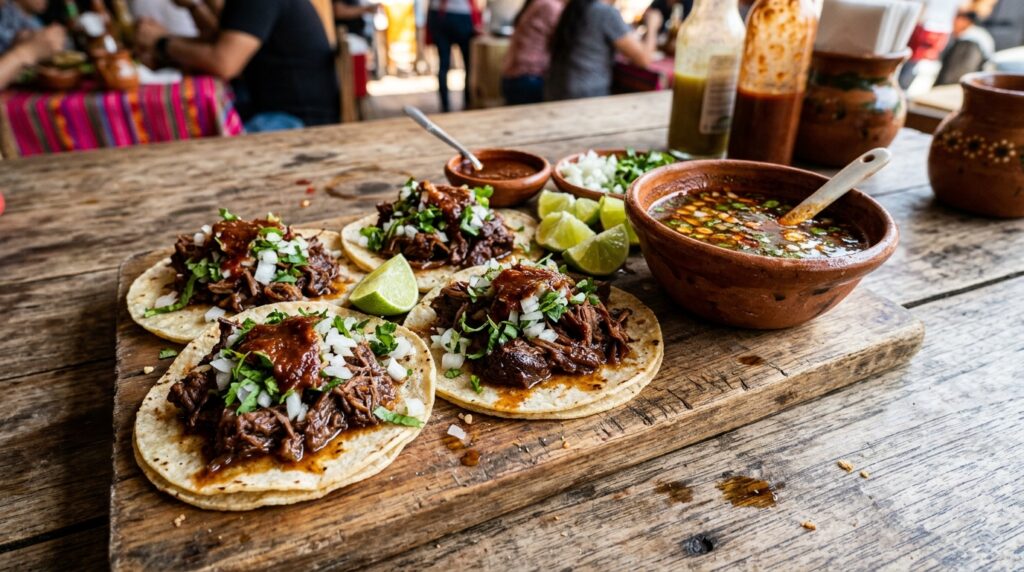
Barbacoa is one of the great slow-cooked meat traditions of Mexican cuisine — beef braised slowly in a deeply spiced chile sauce until so tender it falls apart at the touch of a fork. In a slow cooker, this halal version achieves remarkable results with minimal effort. The braising liquid becomes a rich consommé served alongside for dipping.
Key ingredients: Beef cheeks or chuck, chipotle in adobo, ancho dried chilies, guajillo dried chilies, garlic, cumin, Mexican oregano, apple cider vinegar, beef stock, bay leaves, small corn tortillas, white onion, cilantro, lime, salsa
Method: Blend rehydrated dried chilies with chipotle in adobo, garlic, cumin, oregano, and vinegar into a smooth chile paste. Sear the beef pieces until deeply browned on all sides — do not skip this step. Combine with the chile paste and beef stock in a slow cooker and cook on low for 8 hours until the meat falls apart. Shred with two forks and return to the braising liquid.
What makes it authentic: Mexican oregano — distinct from Mediterranean oregano, with more complex, slightly citrusy notes — is an essential seasoning for barbacoa. Seek it out specifically; the flavor difference is significant.
Pro tip: The braising liquid left after shredding the meat becomes consommé — a rich, deeply flavored broth served alongside the tacos for dipping. Do not discard it under any circumstances.
3. Enchiladas Verdes with Chicken
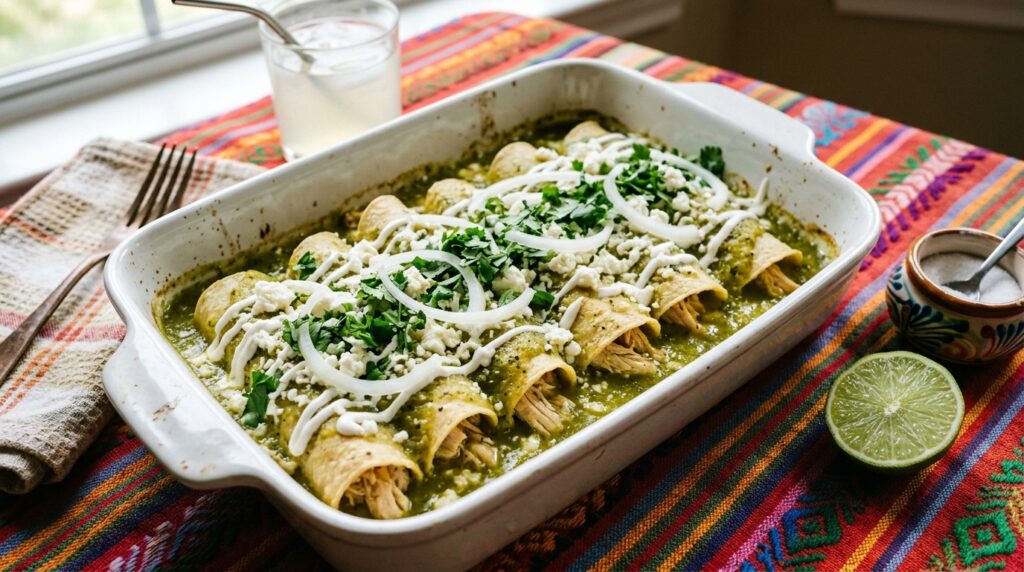
Origin: Central Mexico | Difficulty: Intermediate | Prep + Cook Time: 45 minutes**
Enchiladas Verdes are one of Mexico’s most beloved family meals — corn tortillas filled with shredded chicken and bathed in a bright, slightly tart tomatillo salsa verde that is charred, blended, and simmered to a rich, vibrant sauce. The finishing combination of crumbled queso fresco, Mexican crema, white onion, and fresh cilantro is what makes this dish so iconic.
Key ingredients: Corn tortillas, shredded poached chicken breast, tomatillos, fresh serrano or jalapeño chilies, white onion, garlic, fresh cilantro, Mexican crema (or sour cream), queso fresco, vegetable oil, sea salt
The salsa verde: Char tomatillos, chilies, onion, and garlic under a broiler or in a dry skillet until blackened in spots — this charring is what gives the salsa its depth and complexity. Blend with cilantro and salt. Simmer the blended salsa in a little oil for 5 minutes to deepen the flavor further.
Assembly technique: Heat each corn tortilla briefly in a hot skillet with a little oil until softened and pliable — this prevents cracking when rolling. Dip each warmed tortilla briefly in the warm salsa verde, fill with shredded chicken, roll, and place seam-down in the baking dish. Pour remaining salsa generously over the top.
What makes it authentic: The charring of the tomatillos before blending is the step that most recipes outside Mexico skip — it separates a flat-tasting salsa verde from one with genuine depth and complexity. Do not skip it.
4. Tamales de Rajas con Queso
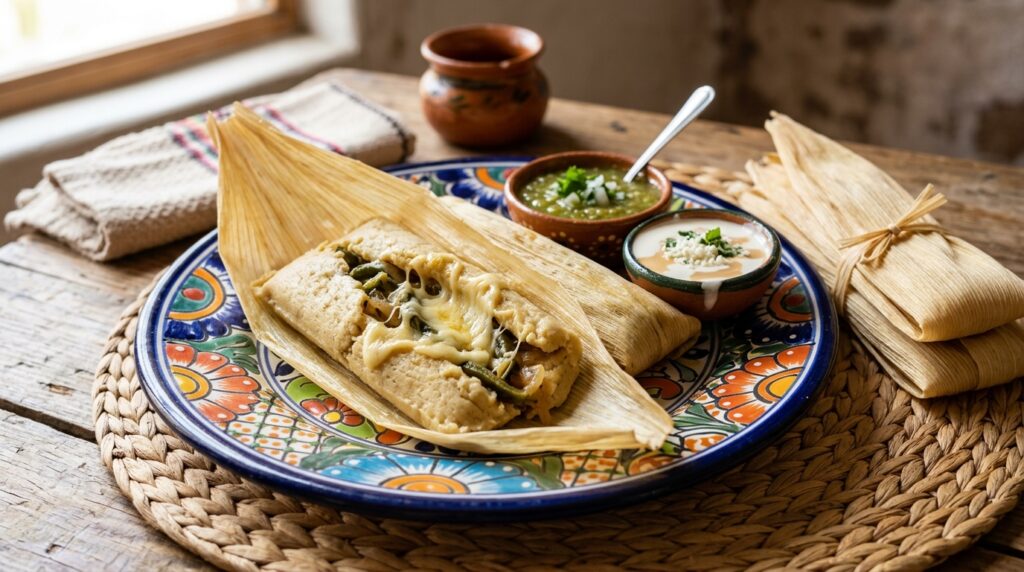
Origin: Throughout Mexico | Difficulty: Advanced | Prep + Cook Time: 3 hours**
Tamales are one of the oldest and most sacred foods in Mexican culture — pre-Columbian in origin, prepared collectively in the tradition of tamaladas (communal tamale-making gatherings), and eaten at every important celebration. This vegetarian version with roasted poblano strips and melted cheese is naturally halal and one of the most beloved tamale varieties across Mexico.
Key ingredients: Masa harina, warm chicken or vegetable stock, vegetable shortening or butter, baking powder, sea salt. Filling: poblano chilies (roasted, peeled, and cut into strips — rajas), Oaxacan cheese or mozzarella (shredded). Corn husks (dried, soaked in warm water for 1 hour)
Method: Beat vegetable shortening or butter until fluffy. Mix masa harina with warm stock and salt, then combine with the beaten fat. Beat the masa dough vigorously — the test for proper consistency is dropping a small piece into cold water; it should float. Spread a thin layer of masa onto a soaked corn husk, add a few rajas and a spoonful of cheese, fold the husk around the filling to enclose it completely, and steam upright for 1 hour 15 minutes.
What makes it authentic: The masa must be beaten vigorously and contain enough fat to pass the float test — this is what creates the light, tender texture that distinguishes a great tamale from a dense, heavy one.
Pro tip: The tamale is cooked when the masa pulls cleanly away from the corn husk without sticking. If it sticks, continue steaming and test again in 10 minutes.
5. Sopes with Refried Beans and Chicken
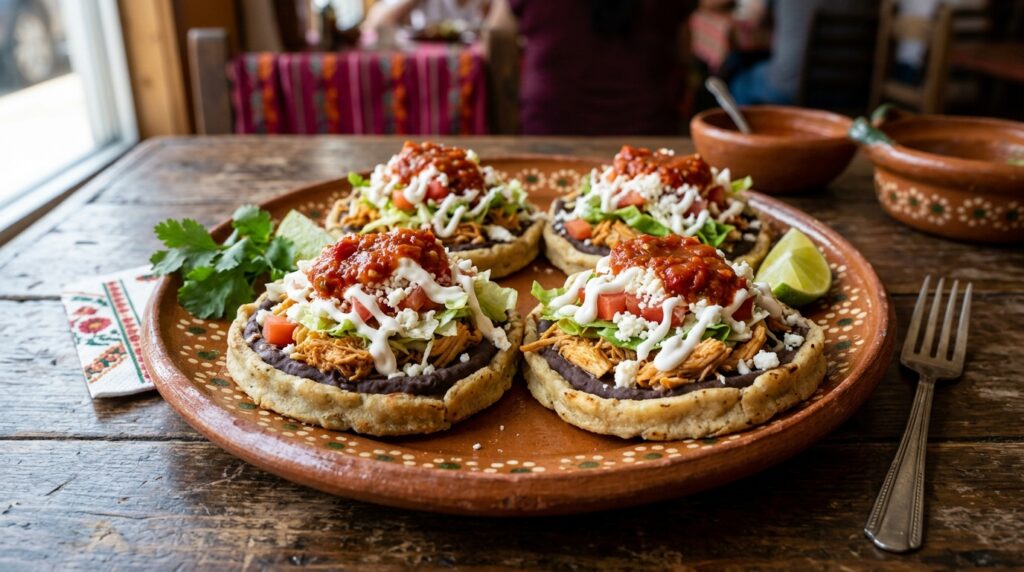
Origin: Central and Western Mexico | Difficulty: Intermediate | Prep + Cook Time: 45 minutes**
Sopes are one of Mexico’s most beloved antojitos — thick, hand-shaped masa boats with pinched edges that cradle an abundance of toppings. Part of the magnificent family of masa-based street foods that includes tlayudas, huaraches, and gorditas, sopes are deeply satisfying and completely halal in this version.
Key ingredients: Masa harina, warm water, sea salt, vegetable oil. Toppings: refried black beans, shredded chicken, shredded iceberg lettuce, diced tomato, queso fresco (crumbled), Mexican crema, salsa roja or salsa verde
Method: Combine masa harina with warm water and salt to form a smooth, pliable dough. Divide into golf ball-sized portions and press into thick discs. Cook on a dry comal or cast iron skillet for 2 minutes per side. While still warm and pliable, pinch a border around the edge of each disc to create the characteristic raised rim. Return to the comal and cook a further minute per side. Fry briefly in hot oil until lightly golden before adding toppings.
What makes it authentic: The pinched edge must be created while the masa is still warm — once it cools, it becomes too stiff to shape properly. Work quickly and confidently.
Soups and Stews
6. Pozole Rojo de Pollo (Red Chicken Pozole)
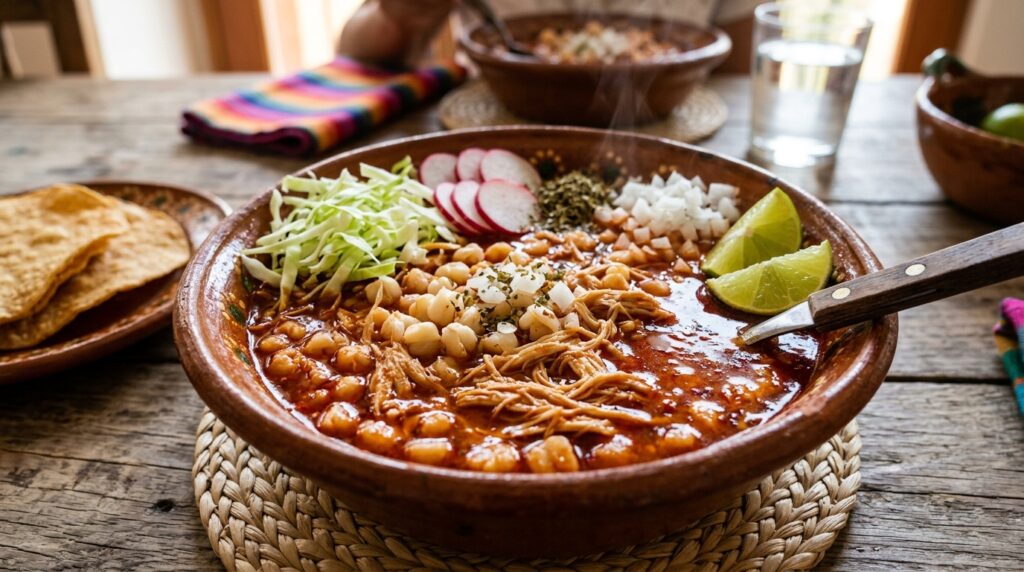
Origin: Guerrero, Jalisco | Difficulty: Intermediate | Prep + Cook Time: 1 hour 30 minutes**
Pozole is one of Mexico’s most ancient and ceremonially significant dishes — a hearty hominy stew with pre-Columbian roots that was once reserved for sacred feasts. Today it is the celebratory meal of choice across Mexico for birthdays, holidays, and family gatherings. This halal version uses chicken and is just as deeply flavored and satisfying as the traditional preparation.
Key ingredients: Whole chicken or bone-in chicken pieces, canned hominy (large white corn kernels), ancho dried chilies, guajillo dried chilies, garlic, white onion, Mexican oregano, cumin, bay leaves, sea salt. Garnishes: shredded cabbage, sliced radishes, dried oregano, diced white onion, tostadas, lime wedges, sliced chilies, avocado
Method: Simmer chicken pieces with garlic, onion, and bay leaves for 45 minutes until cooked through and tender. Remove the chicken, shred, and set aside. Strain the broth. Toast dried chilies in a dry skillet, then rehydrate in hot water for 20 minutes. Blend with garlic, cumin, and oregano. Fry the blended chile sauce in a little oil for 5 minutes, then add to the chicken broth along with the drained hominy. Simmer together for 30 minutes. Return shredded chicken to the pot and taste and adjust seasoning.
What makes it authentic: The garnishes are not optional — they are as important as the stew itself. The cold, crunchy cabbage against the hot, rich pozole broth is one of the great textural contrasts in Mexican cooking and must not be skipped.
Understanding simmering temperatures is essential for achieving the perfect pozole broth. Our Kitchen Temperatures: The Complete Guide from Simmer to Boil covers heat management for slow-cooked dishes in detail.
7. Sopa de Lima (Yucatecan Lime Soup)
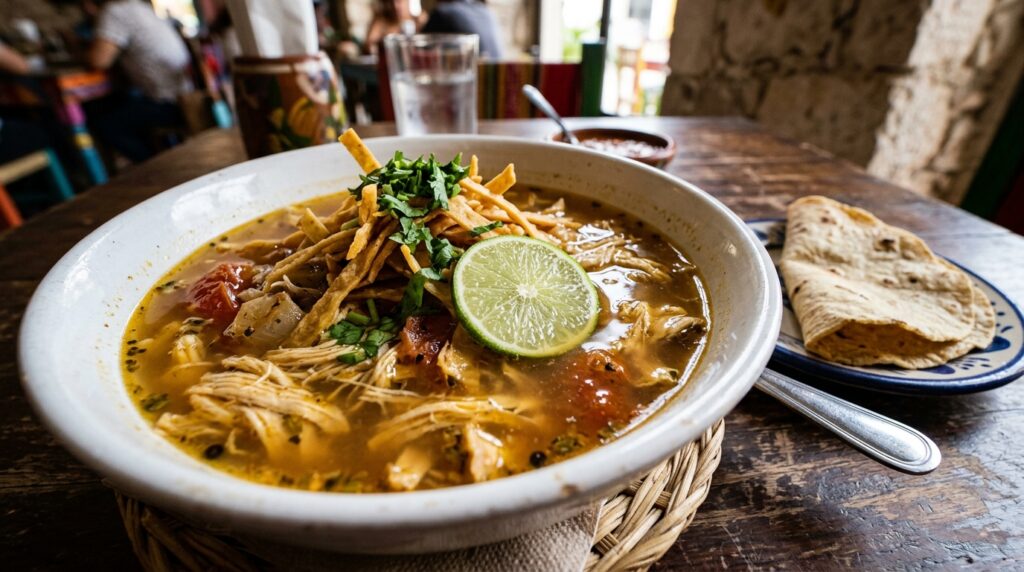
Origin: Yucatán | Difficulty: Easy | Prep + Cook Time: 45 minutes**
Sopa de Lima is the great soup of the Yucatán Peninsula — a bright, clear, deeply flavored chicken broth scented with lime, charred tomatoes and onions, and topped with crispy fried tortilla strips. It is one of the most refreshing and elegant soups in all of Mexican cooking and completely halal in its natural form.
Key ingredients: Whole chicken or bone-in chicken pieces, limes, tomatoes, white onion, garlic, dried oregano, black pepper, fresh cilantro, corn tortillas (fried until crispy), habanero pepper (optional)
Method: Char tomatoes, onion, and garlic in a dry skillet until blackened in spots. Simmer chicken in water with charred vegetables, oregano, and black pepper for 35 minutes until cooked through. Remove and shred the chicken. Strain the broth. Return broth to the pot with the charred vegetables and generous lime juice. Return shredded chicken to the broth, taste and adjust seasoning generously. Ladle into bowls over crispy tortilla strips and garnish with cilantro and lime.
What makes it authentic: The charring of the aromatics before adding to the broth is the distinctive Yucatecan technique — it creates a smoky, caramelized depth in what is otherwise a simple, clear soup. This step is what makes the difference.
8. Caldo Tlalpeño
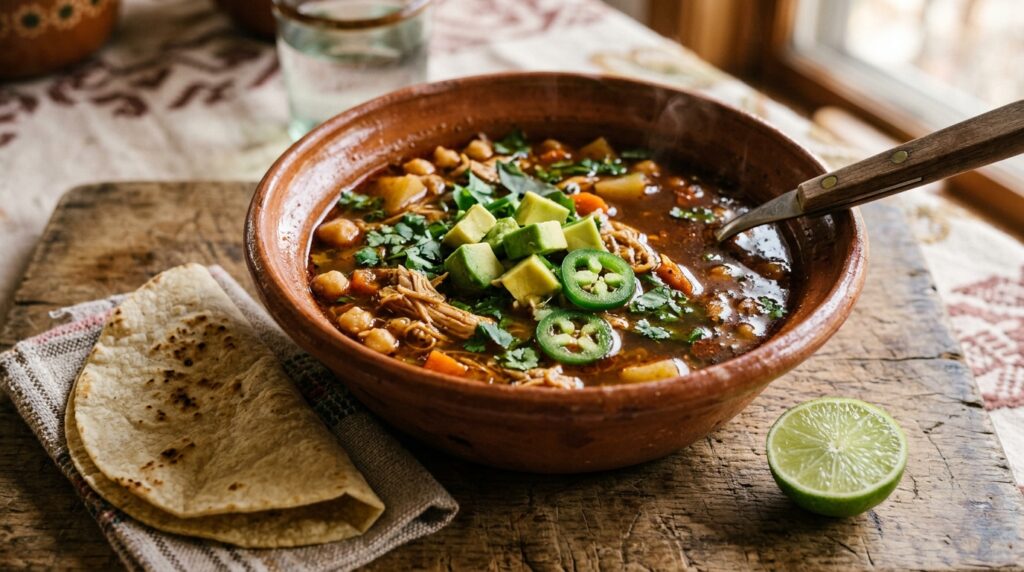
Origin: Mexico City (Tlalpan neighborhood) | Difficulty: Easy | Prep + Cook Time: 1 hour**
Caldo Tlalpeño is a Mexico City classic — a deeply flavored, smoky chicken and chickpea broth spiked with chipotle chili and the distinctive herbal note of epazote, finished with fresh avocado and lime. Completely halal in its natural form, it is bold, warming, and wonderfully complex.
Key ingredients: Chicken pieces, canned chickpeas, chipotle in adobo, fresh epazote (or dried), tomatoes, white onion, garlic, chicken stock, avocado, lime, sea salt, fresh jalapeño
Method: Brown the chicken pieces in a little oil. Add onion and garlic and cook until softened. Add chopped tomatoes, chipotle in adobo, and chicken stock. Simmer for 30 minutes until the chicken is tender and cooked through. Shred the chicken and return to the broth. Add chickpeas and epazote and simmer for a further 10 minutes. Season generously. Serve topped with diced fresh avocado and a generous squeeze of lime.
What makes it authentic: Epazote is a Mexican herb with a pungent, intensely aromatic character that imparts a flavor completely unlike any substitute. Look for it in Mexican grocery stores, either fresh or dried — it is the ingredient that makes this soup distinctly Mexican.
Main Dishes and Moles
9. Mole Negro with Chicken
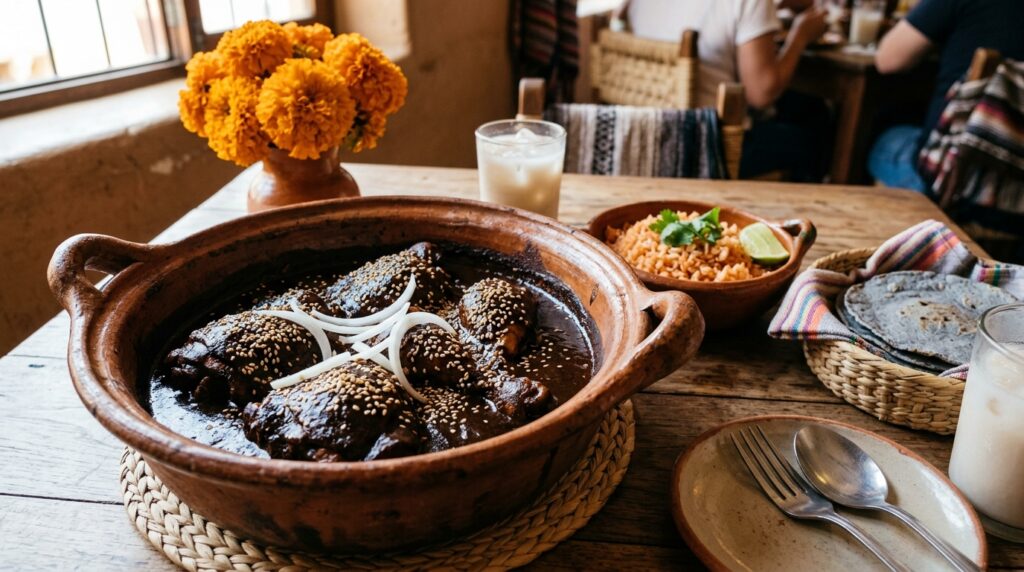
Origin: Oaxaca | Difficulty: Advanced | Prep + Cook Time: 3–4 hours**
Mole negro is Mexico’s most celebrated and most magnificently ambitious dish — a sauce of extraordinary depth built from multiple dried chilies, dark chocolate, charred tortilla, charred onion and garlic, tomatoes, tomatillos, multiple spices, seeds, and nuts. It takes time and patience, and produces the most profound, deeply flavored sauce in all of world cooking. This version uses chicken — entirely halal and deeply authentic.
Key ingredients: Dried mulato, ancho, pasilla negro, and guajillo chilies; charred tortilla; charred onion and garlic; tomatoes; tomatillos; Mexican chocolate or 70% dark chocolate; almonds; sesame seeds; pumpkin seeds; cumin; Mexican cinnamon; black pepper; thyme; marjoram; cloves; raisins; vegetable oil; chicken pieces; chicken stock, sea salt, sugar
The method in brief: Toast each dried chili variety separately until fragrant. Rehydrate in hot water. Char the tortilla until nearly black — this provides bitterness and body. Toast seeds and nuts separately. Char onion and garlic. Blend all components in batches with stock until smooth. Fry the blended mole in a large pot with a little vegetable oil — it will spit dramatically. Add the remaining stock gradually and simmer for 1 hour, stirring frequently. Add chocolate and season with salt and sugar to achieve the right balance.
What makes it authentic: The charred tortilla is the ingredient that most surprises people — deliberately blackened, it provides the mole’s characteristic slight bitterness and helps thicken the sauce. Do not omit it.
Pro tip: Mole negro improves dramatically over 2–3 days as the flavors meld and deepen. Make it in advance — the day before serving is ideal. It also freezes beautifully for up to 3 months.
10. Chile Relleno with Cheese
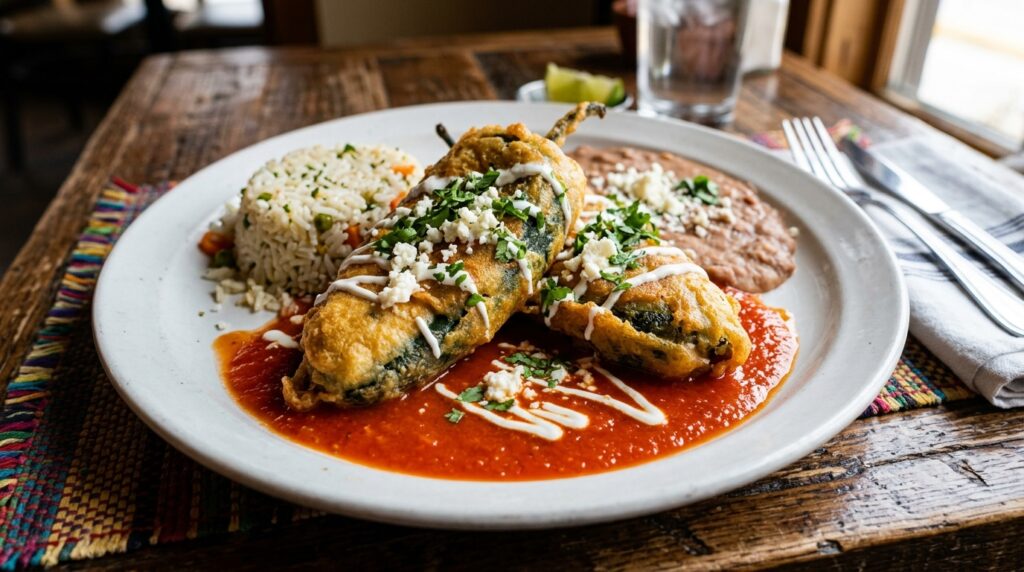
Origin: Puebla | Difficulty: Advanced | Prep + Cook Time: 1 hour 30 minutes**
Chile Relleno — literally “stuffed chili” — is one of the great dishes of Puebla. A roasted and peeled poblano pepper stuffed with melting Oaxacan cheese, dipped in a puffed egg batter, fried until golden, then served on a pool of smooth tomato ranchera sauce. Completely halal and absolutely spectacular.
Key ingredients: Large poblano chilies, Oaxacan cheese or Manchego (shredded), eggs (separated), plain flour, sea salt, vegetable oil for frying. Salsa ranchera: tomatoes, white onion, garlic, chipotle in adobo, cumin, vegetable oil
The egg batter: Beat egg whites to stiff peaks and fold in the yolks with a little salt and flour — this creates a light, airy batter that puffs dramatically in hot oil, producing the characteristic fluffy, golden coating.
Roasting and peeling the poblanos: Char the poblanos directly over a gas flame or under a broiler until the skin is completely blackened all over. Place in a plastic bag for 10 minutes — the steam loosens the skin. Peel carefully, make a single slit along one side, and remove the seeds without tearing the pepper.
What makes it authentic: The egg batter must be used immediately after preparation — it deflates within minutes. Have the stuffed peppers ready and the oil hot before beating the eggs.
11. Birria de Res (Beef Birria)
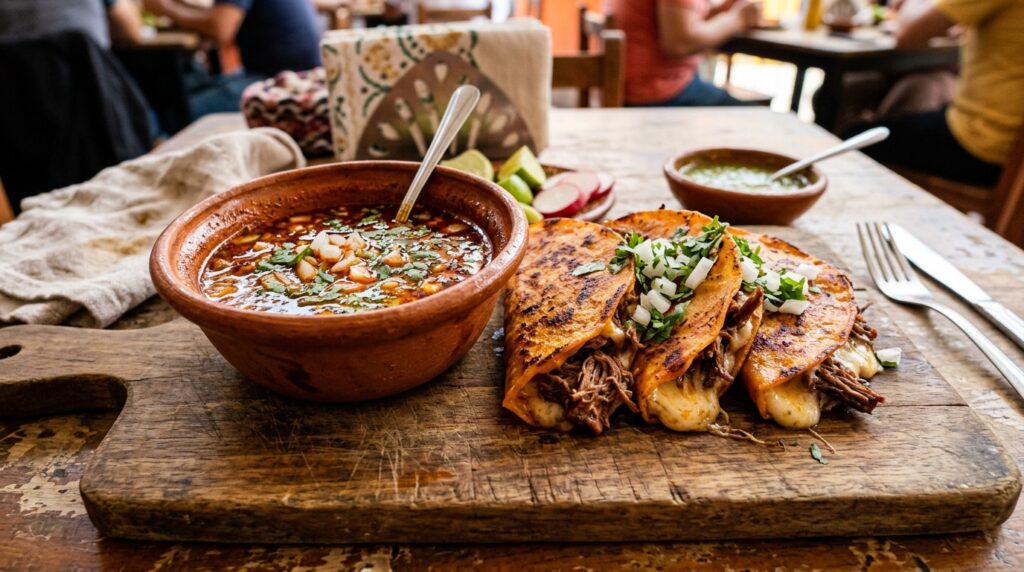
Origin: Jalisco | Difficulty: Intermediate | Prep + Cook Time: 30 mins + 4 hours cooking**
Birria is one of Mexico’s most celebrated slow-cooked meat dishes — originating in Jalisco and now beloved across Mexico and around the world. The beef braises slowly in a deeply complex sauce of dried guajillo, ancho, and cascabel chilies with tomatoes, warm spices, and vinegar until it falls apart and creates one of the richest, most deeply flavored broths imaginable. The quesabirria taco — tortillas dipped in birria fat, filled with beef and melted cheese — has become a global phenomenon.
Key ingredients: Beef short ribs or chuck, guajillo dried chilies, ancho dried chilies, cascabel dried chilies, chipotle in adobo, tomatoes, white onion, garlic, Mexican cinnamon, cumin, Mexican oregano, thyme, black pepper, apple cider vinegar, beef stock, Oaxacan cheese or mozzarella, corn tortillas, diced white onion, fresh cilantro, lime
Method: Toast and rehydrate the dried chilies. Blend with chipotle, tomatoes, garlic, and spices. Sear the beef until deeply browned. Combine with the chile sauce and beef stock in a heavy pot or slow cooker. Cook low and slow for 4 hours until the beef falls apart. Shred and return to the broth. For quesabirria tacos, dip corn tortillas in the fat that has risen to the top of the broth, griddle until crispy, fill with shredded beef and melted cheese, and serve the consommé alongside for dipping.
What makes it authentic: The layering of three distinct dried chili varieties creates a sauce of remarkable complexity — each chili contributes a different flavor note, and their combination is what makes birria genuinely extraordinary.
The searing technique for the beef before braising is crucial for depth of flavor. Our The Ultimate Guide to Perfectly Seared Meat: Professional Techniques and Tips covers everything you need for a perfect initial sear.
12. Chiles en Nogada with Beef
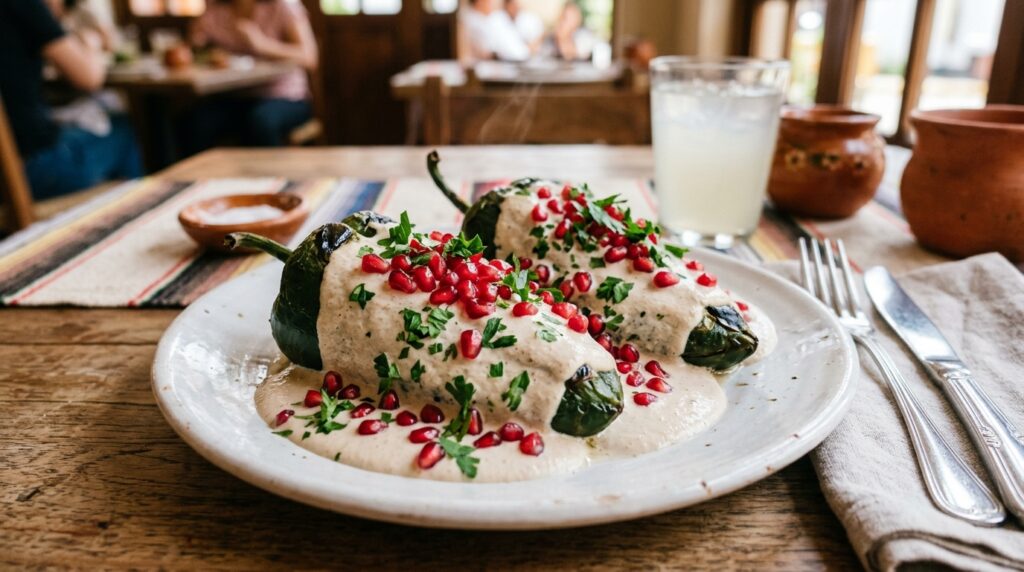
Origin: Puebla | Difficulty: Advanced | Prep + Cook Time: 2 hours 30 minutes**
Chiles en Nogada is Mexico’s most patriotic dish — its three colors deliberately echoing the Mexican flag: green from fresh parsley, white from the walnut cream sauce, and red from pomegranate seeds. Created in Puebla in 1821 to celebrate Mexican independence, it is a dish of extraordinary sophistication. This halal version uses ground beef in place of the traditional pork, delivering the same magnificent complexity.
Key ingredients: Large poblano chilies. Beef picadillo filling: ground beef, almonds, peaches, plantain, raisins, tomatoes, onion, garlic, Mexican cinnamon, cloves, black pepper. Nogada sauce: fresh walnuts (shelled), fresh goat cheese or cream cheese, Mexican crema, cinnamon, sugar. Garnish: pomegranate seeds, fresh flat-leaf parsley leaves
What makes it special: The picadillo filling combines savory spiced beef with sweet dried fruit and fresh peach — this sweet-savory combination is the hallmark of Pueblan cooking and the soul of this magnificent dish.
Pro tip: The nogada sauce is best made with fresh, newly harvested walnuts where possible — their creamier, milder flavor produces the characteristic white sauce that gives the dish its patriotic colors.
13. Pollo en Adobo Rojo (Chicken in Red Adobo)
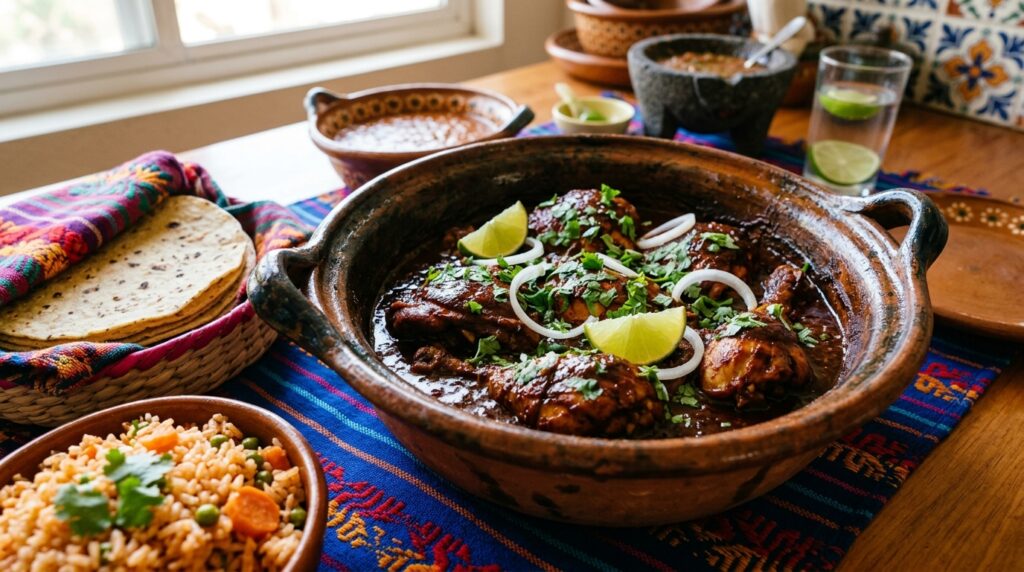
Origin: Throughout Mexico | Difficulty: Easy–Intermediate | Prep + Cook Time: 30 mins + 1 hour cooking**
Adobo rojo — a paste of dried chilies, vinegar, garlic, and spices — is one of the fundamental flavor bases of Mexican cooking, used as both a marinade and a braising sauce. Chicken pieces coated and slow-cooked in this deeply flavored red adobo until the sauce reduces to a glossy, intensely flavored coating is one of the most satisfying and authentically Mexican dishes a home cook can prepare.
Key ingredients: Bone-in chicken pieces, ancho dried chilies, guajillo dried chilies, garlic, white onion, cumin, Mexican oregano, Mexican cinnamon, cloves, apple cider vinegar, chicken stock, vegetable oil, sea salt, sugar
Method: Toast and rehydrate the dried chilies. Blend with garlic, onion, cumin, oregano, cinnamon, cloves, vinegar, and a ladle of chicken stock until completely smooth. Strain through a sieve for the smoothest sauce. Fry the blended adobo in a little oil for 5 minutes until it darkens and thickens. Add the remaining stock. Nestle the chicken pieces into the sauce, bring to a simmer, cover, and cook for 45 minutes until the chicken is completely tender. Uncover and simmer for a further 15 minutes until the sauce reduces and clings to the chicken.
What makes it special: The straining of the blended adobo through a fine sieve removes any remaining chili skin and produces a sauce of extraordinary smoothness and depth.
Salsas, Sides, and Essentials
14. Frijoles de Olla (Pot Beans)
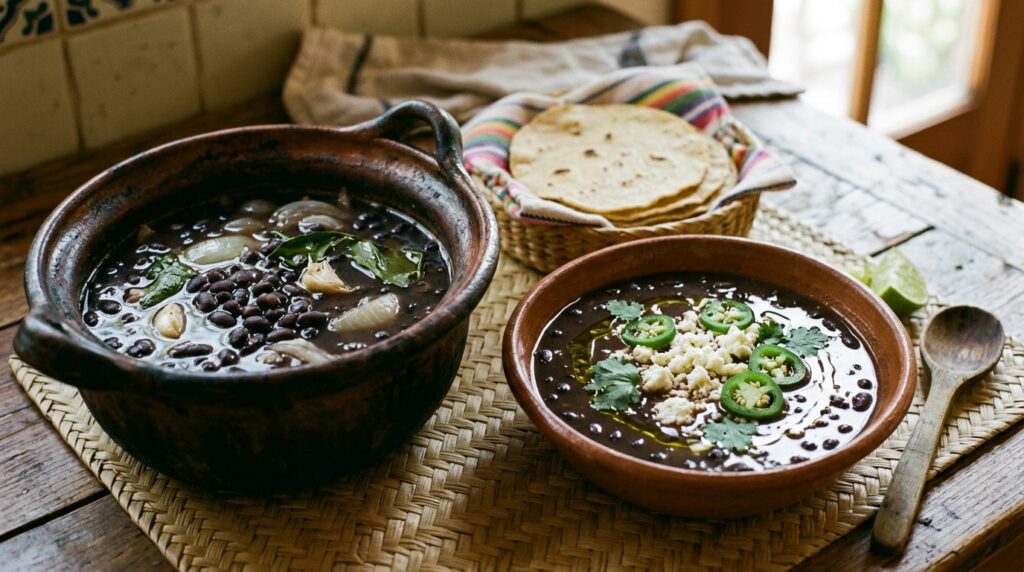
Origin: Throughout Mexico | Difficulty: Easy | Prep + Cook Time: 15 minutes + 2 hours cooking**
Frijoles de olla — beans of the pot — are the foundation of Mexican home cooking and one of the most fundamentally important dishes in the entire cuisine. Black beans or pinto beans slowly simmered from dry in water with white onion, garlic, and epazote until completely tender and suspended in their own deeply flavored, slightly thick bean broth. Completely halal and deeply nourishing.
Key ingredients: Dried black beans or pinto beans, white onion (halved), garlic cloves, fresh epazote (or dried), sea salt, water, optional: a drizzle of good olive oil for serving
The golden rule of Mexican beans: Do not add salt until the beans are completely tender — salting too early toughens the skins and produces beans that never fully soften regardless of how long you cook them.
What makes it authentic: The cooking liquid — the bean broth — is as important as the beans themselves. It should be thick, slightly dark, and deeply flavored. Never discard it. It becomes the base for black bean soup, refried beans, and an extraordinary sauce for enchiladas.
Frijoles refritos (Refried Beans): Fry a little onion and garlic in vegetable oil until soft, add a ladleful of cooked beans and their broth, and mash while cooking until a thick, creamy paste forms. Add more broth as needed to reach the desired consistency. A drizzle of good olive oil stirred in at the end adds richness.
Our Mise en Place: How to Organize Your Cooking Like a Pro covers the batch-cooking approach that makes keeping a pot of frijoles de olla ready throughout the week an effortless and rewarding habit.
15. Salsa Macha
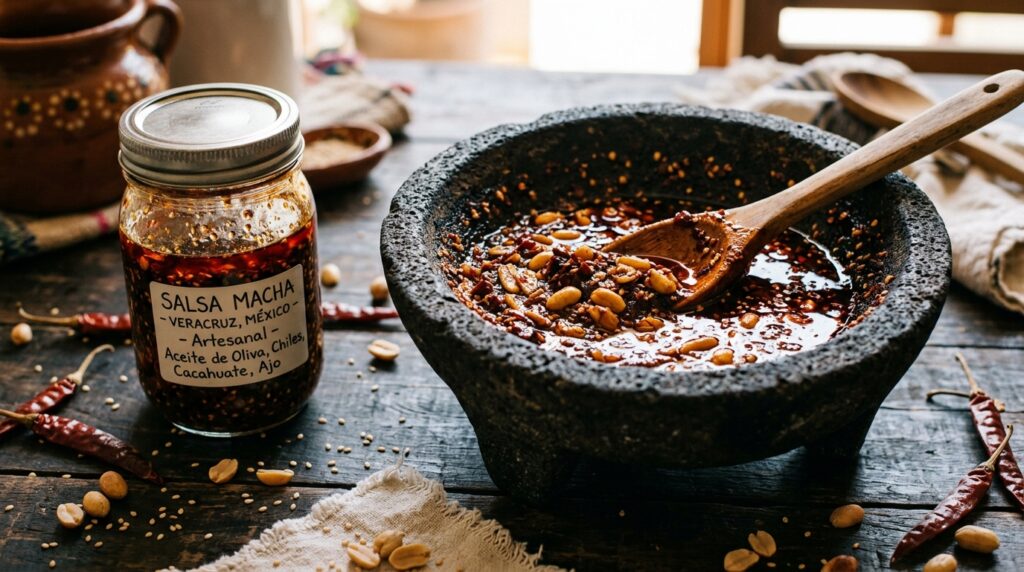
Origin: Veracruz | Difficulty: Easy | Prep + Cook Time: 20 minutes**
Salsa macha is one of Mexico’s most extraordinary and underappreciated condiments — a deeply flavored, oil-based salsa from Veracruz made by frying dried chilies, garlic, and nuts in good olive oil until the oil becomes infused with extraordinary depth, smoky heat, and nutty richness. The result is the Mexican answer to chili crisp — a completely halal condiment of staggering versatility that elevates everything it touches.
Key ingredients: Dried árbol chilies, dried guajillo or ancho chilies (for depth without excessive heat), garlic, raw peanuts, sesame seeds, good quality olive oil, apple cider vinegar, sea salt
Method: Heat the olive oil in a wide pan over medium heat. Add the garlic cloves and fry slowly until golden and tender — about 5 minutes. Remove the garlic and set aside. Add the dried chilies and fry briefly — 30 seconds — until they darken and become fragrant. Be careful not to burn them, as this will make the salsa bitter. Remove chilies. Fry the peanuts and sesame seeds briefly until golden. Blend all fried ingredients together with the infused oil, a splash of apple cider vinegar, and salt to a rough, textured consistency.
What makes it authentic: The infused oil is the soul of salsa macha — it carries all the flavor from every ingredient fried in it. Use the best quality olive oil you can find, as its flavor becomes an integral part of the finished salsa.
Uses for salsa macha: Drizzle over eggs, tacos, grilled meats, roasted vegetables, soups, and rice. Stir into mayonnaise. Spoon over avocado. Mix into pasta. Use as a marinade for chicken. Once you have a jar of salsa macha in your refrigerator, you will find it impossible to imagine cooking without it.
Storage: Salsa macha keeps for up to one month refrigerated in a clean, airtight jar — the oil preserves the other ingredients. For food safety best practices when storing oil-based condiments, our Food Safety 101: Storage, Handling, and Temperature Guide provides essential guidance.
Essential Mexican Pantry Ingredients
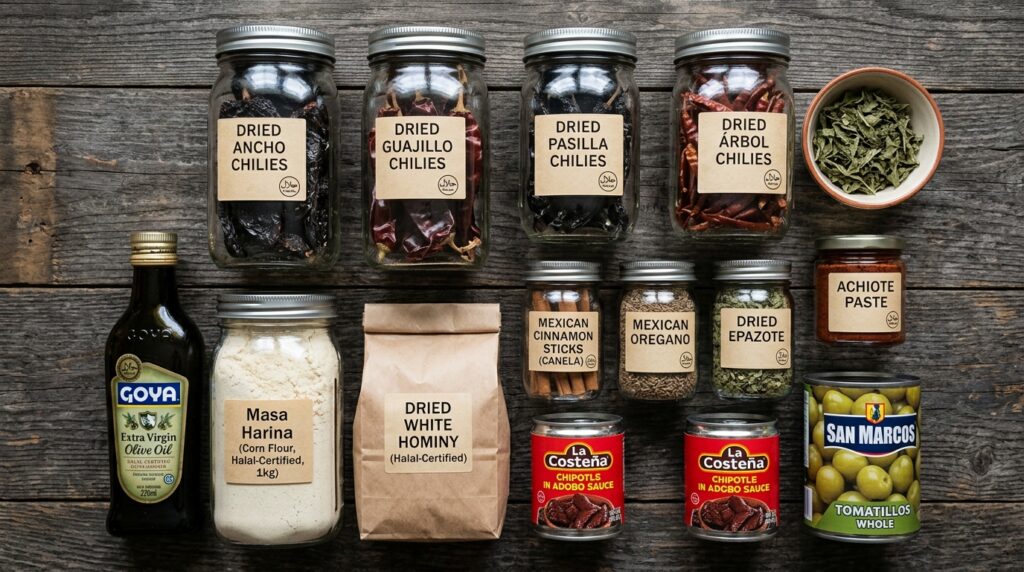
Building an authentic Mexican pantry is the single most transformative thing a home cook can do for the quality of their Mexican cooking. Here are the most essential halal-friendly items to stock:
Dried chilies — ancho, guajillo, pasilla, árbol, chipotle, morita, and cascabel cover most authentic Mexican recipes. Store in an airtight container in a cool, dark place for up to six months.
Achiote paste — the pre-made blend of annatto seeds, spices, and citrus essential for Yucatecan cooking. Available in Mexican grocery stores and online. Check for halal certification.
Chipotle in adobo — smoked jalapeños in a spiced tomato sauce. Available in most supermarkets and provides instant smoky depth to any dish. Check labels for halal certification.
Masa harina — nixtamalized corn flour for tortillas, tamales, and antojitos. The Maseca brand is the most widely available internationally and is suitable for halal cooking.
Mexican oregano — distinct from Mediterranean oregano. Stronger, more complex, and essential for authentic flavor in pozole, birria, and beans.
Mexican cinnamon (canela) — softer, more fragrant, and more nuanced than other varieties. Essential for moles and adobo preparations.
Epazote — a pungent, aromatic Mexican herb essential for black beans and certain soups. Available fresh or dried in Mexican grocery stores.
Tomatillos — available fresh or canned. Essential for salsa verde, enchiladas verdes, and Yucatecan preparations.
Regional Guide to Mexican Cuisine
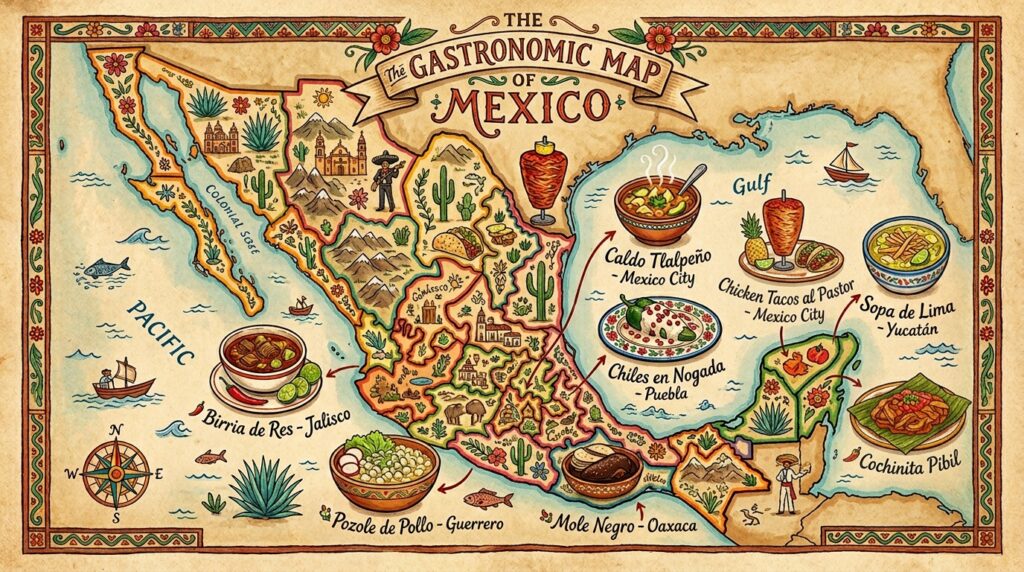
Mexico’s culinary geography is as diverse as its landscape. Understanding where dishes come from enriches your cooking and your appreciation:
Oaxaca — the land of seven moles, tlayudas, Oaxacan cheese, and mezcal. One of the most celebrated culinary regions in the world, known for the extraordinary complexity of its mole preparations.
Yucatán — Mayan culinary heritage expressed through achiote, sour orange, habanero, and slow-roasting techniques. Sopa de lima and achiote-marinated chicken are its ambassadors.
Puebla — the birthplace of mole negro and chiles en nogada. Puebla’s cuisine is Mexico’s most baroque and sophisticated, with a tradition of complex, layered dishes.
Jalisco — homeland of birria and bold, earthy, deeply flavored cooking. The birthplace of the now-globally beloved quesabirria taco.
Veracruz — a coastal cuisine with strong Spanish and Afro-Caribbean influence. Home of salsa macha, red snapper Veracruz-style, and fresh seafood preparations.
Mexico City — the great melting pot where every regional Mexican cuisine is represented and elevated. The birthplace of countless antojito variations and the creative center of contemporary Mexican cooking.
According to UNESCO, Mexican cuisine was inscribed on the Representative List of the Intangible Cultural Heritage of Humanity in 2010 — recognized not merely as food but as a living cultural expression of community, identity, and ancient knowledge.
Frequently Asked Questions
Can Mexican food be made completely halal?
Absolutely. The vast majority of authentic Mexican cooking is built around corn, beans, chilies, vegetables, chicken, beef, lamb, and seafood — all of which are halal. The main substitutions needed are replacing pork with halal alternatives such as beef, chicken, or lamb, and ensuring that any processed ingredients (chipotle in adobo, chorizo-style seasonings) carry halal certification. All 15 recipes in this guide have been developed with these substitutions incorporated.
Where can I find dried Mexican chilies?
Dried Mexican chilies are available in Mexican and Latin American grocery stores, many international supermarkets, and online from specialist suppliers. The most important varieties to stock are ancho, guajillo, chipotle (smoked and dried), árbol, and cascabel. These five varieties cover the majority of authentic Mexican recipes.
What is the difference between Mexican oregano and regular oregano?
Mexican oregano (Lippia graveolens) is a different plant from Mediterranean oregano (Origanum vulgare), with a more complex, stronger flavor that has hints of citrus and anise. In dishes like pozole, birria, and adobo, Mexican oregano makes a meaningful flavor difference. It is available dried in Mexican grocery stores and well worth seeking out.
How do I make corn tortillas from scratch?
Combine masa harina with warm water and a pinch of salt to form a smooth, pliable dough. Divide into golf ball-sized balls and press between sheets of plastic wrap using a tortilla press or the flat bottom of a heavy pan. Cook on a dry, hot comal or cast iron skillet for 60–90 seconds per side until lightly spotted and fragrant. Keep warm wrapped in a clean cloth.
Can I prepare these dishes in advance?
Most of these dishes — particularly the slow-cooked preparations like birria, barbacoa, mole, and adobo — actually improve significantly when made a day in advance, as the flavors continue to develop and deepen in the refrigerator. Salsas and pozole also benefit from resting. Tortillas and sopes are best made fresh on the day of serving.
Conclusion
From the ancient complexity of a mole negro built from over 30 ingredients to the brilliant simplicity of frijoles de olla simmered slowly in their own fragrant broth, from the bold, chile-marinated joy of chicken tacos al pastor to the ceremonial grandeur of tamales — these 15 authentic halal Mexican recipes represent the full, extraordinary range of one of the world’s greatest culinary traditions, prepared entirely with halal ingredients without any compromise in authenticity or flavor.
Cooking authentic Mexican food at home is an act of respect for that tradition — a willingness to seek out proper dried chilies, to toast and rehydrate before blending, to char aromatics before adding to a broth, to make tortillas by hand when time allows, and to understand that the depth of flavor in great Mexican cooking comes not from complexity for its own sake but from generations of accumulated wisdom about how to coax extraordinary flavor from humble, indigenous ingredients.
Start with the dishes that speak to you most — the birria, the enchiladas verdes, the pozole de pollo — and let your curiosity guide you deeper into this magnificent cuisine. Each recipe you master will open the door to a dozen more, and the deeper you go, the more you will discover that Mexican cooking is not merely a set of techniques but a philosophy of flavor, community, and joy that has no equal anywhere in the world.
For more halal-friendly recipes, techniques, and culinary inspiration across every cuisine and skill level, explore our full collection at skillsinthekitchen.com.