
20 Flavorful Tuna Recipes: Easy, Healthy, and Absolutely Delicious
Introduction
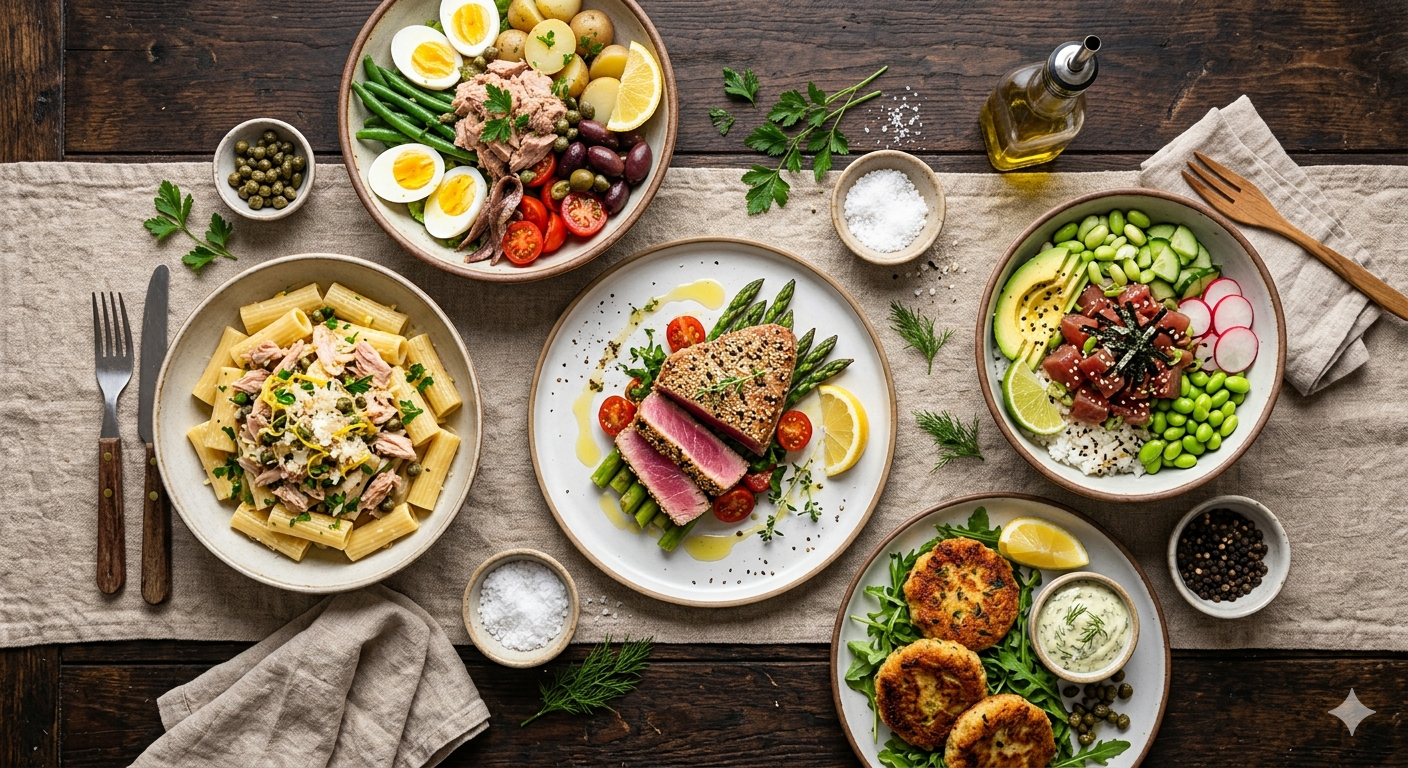
Tuna is one of the most remarkable ingredients in any kitchen — endlessly versatile, deeply nutritious, widely available, and capable of delivering extraordinary flavor whether it comes fresh from the fishmonger or straight from a pantry tin. It is the ingredient that can become a quick weeknight dinner in under 15 minutes, a stunning restaurant-quality centerpiece for a special occasion, a protein-packed lunch salad, or a comforting pasta dish that feeds the whole family with ease.
Few ingredients span such a wide range of culinary applications so successfully. Fresh tuna, seared hot and fast until the outside is golden and the center remains rare and buttery, is one of the most elegant preparations in all of seafood cookery. Canned tuna, stirred into pasta with capers and olives, becomes a deeply savory Italian classic. Tuna blended with herbs and spices and formed into crispy patties delivers satisfying comfort food that is genuinely good for you. Cubed raw tuna dressed in soy, sesame, and ginger creates the kind of vibrant, fresh bowl that has become one of the defining food trends of our time.
In this guide, we have compiled 20 of the most flavorful tuna recipes across every cooking method, cuisine, and occasion — from lightning-fast weeknight meals to impressive dinner party showpieces, from fresh and light salads to warming baked dishes. Each recipe includes key ingredients, technique guidance, nutritional highlights, and make-ahead tips so you can cook with confidence every time.
Whether you are a devoted tuna lover or someone discovering the full potential of this extraordinary fish for the first time, these recipes will change the way you think about what tuna can do.
Let’s get cooking.
Why Tuna Deserves a Place in Every Kitchen
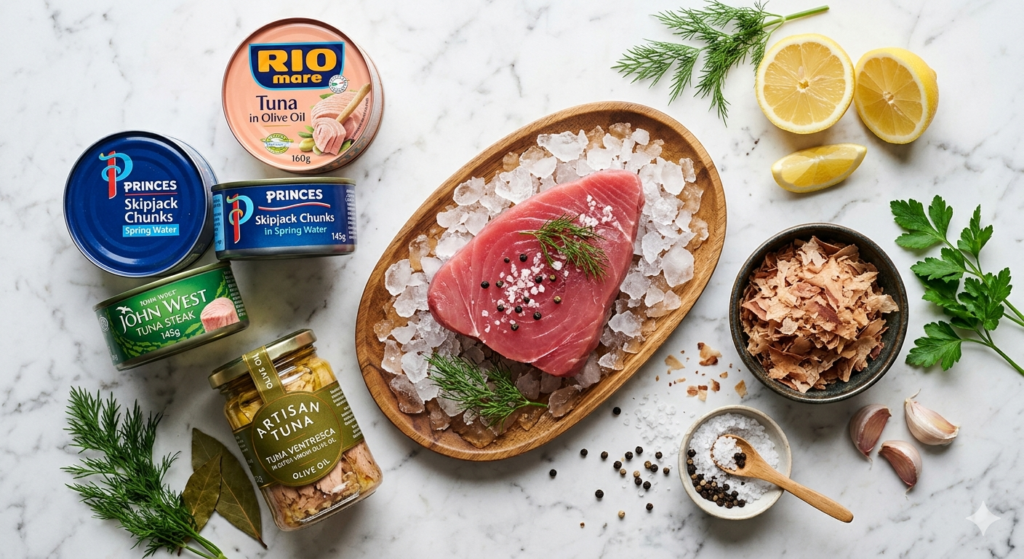
Before diving into the recipes, it is worth appreciating why tuna is such an outstanding kitchen staple across both its fresh and preserved forms.
Exceptional Nutritional Profile
Tuna is one of the most nutritionally impressive foods available. A single 100g serving of fresh tuna provides approximately 30g of complete protein — one of the highest protein densities of any whole food — alongside significant amounts of omega-3 fatty acids, vitamin D, vitamin B12, selenium, and iodine. It is simultaneously one of the leanest and most protein-rich proteins available, making it a cornerstone of healthy eating across almost every dietary approach.
Canned tuna retains most of these nutritional benefits at a fraction of the cost of fresh, making it one of the best-value health foods in the entire supermarket.
Versatility Across Every Form
Fresh tuna lends itself to searing, grilling, tataki, tartare, and poke preparations where its firm, meaty texture and rich flavor can shine. Canned tuna excels in pasta, salads, sandwiches, patties, casseroles, and dips where its convenience and concentrated flavor make it an invaluable pantry staple. Understanding which form works best in which application is the key to getting the most from this extraordinary fish.
Speed and Convenience
Fresh tuna steaks cook in 2–3 minutes per side. A canned tuna pasta comes together in 15 minutes from pantry to plate. For home cooks who need fast, nutritious, genuinely delicious meals, tuna is one of the most reliable allies in the kitchen.
If you are building your cooking confidence and want to master the fundamentals before tackling these recipes, our How to Cook: The Complete Guide for Beginners provides all the foundational knowledge you need.
Understanding Tuna Varieties
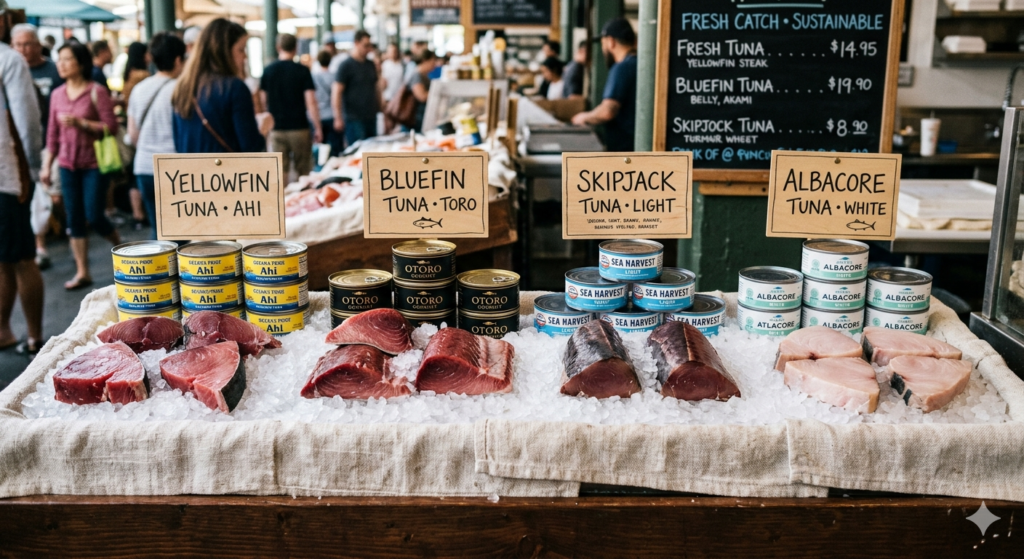
Knowing the differences between tuna varieties helps you choose the right fish for each recipe:
Yellowfin (Ahi) — The most widely available fresh tuna variety. Deep red, firm flesh with a mild, clean flavor. Ideal for searing, poke bowls, tartare, and tataki. The standard choice when a recipe calls for “fresh tuna steak.”
Bluefin — The most prized and expensive variety, with the richest, fattiest flesh and deepest flavor. Best enjoyed as simply as possible — raw as sashimi, or lightly seared. Treat it with enormous respect.
Albacore — Lighter in color and flavor than yellowfin. The variety most commonly used in canned “white tuna.” Mild, versatile, and excellent in salads, pasta, and sandwiches.
Skipjack — Stronger in flavor than albacore, darker in color. The most commonly used variety in canned “light tuna.” More economical and with a bolder flavor that works beautifully in spiced dishes and patties.
For most of the fresh tuna recipes in this guide, yellowfin (ahi) tuna is recommended. For canned recipes, both albacore and skipjack work well — choose based on preference for mild versus bold flavor.
20 Flavorful Tuna Recipes
Fresh Tuna Recipes
1. Perfect Seared Ahi Tuna Steak
Prep time: 10 minutes | Cook time: 4 minutes | Serves: 2
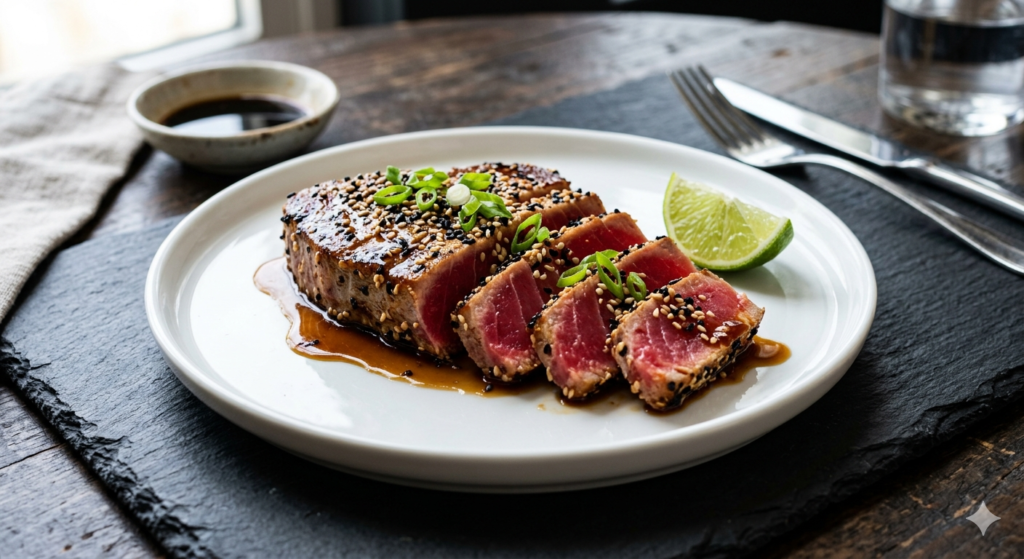
Perfectly seared tuna is one of the most impressive and surprisingly simple things you can cook — a golden, sesame-crusted exterior giving way to a silky, rare, deeply flavored center that is the hallmark of great tuna cookery. The key is a screaming hot pan, a well-seasoned fish, and the confidence to cook it briefly and trust the process.
Key ingredients: Yellowfin tuna steaks (at least 2.5cm thick), sesame seeds (white and black), soy sauce, fresh ginger, garlic, sesame oil, lime juice, neutral oil for searing, sea salt, cracked black pepper, fresh green onion
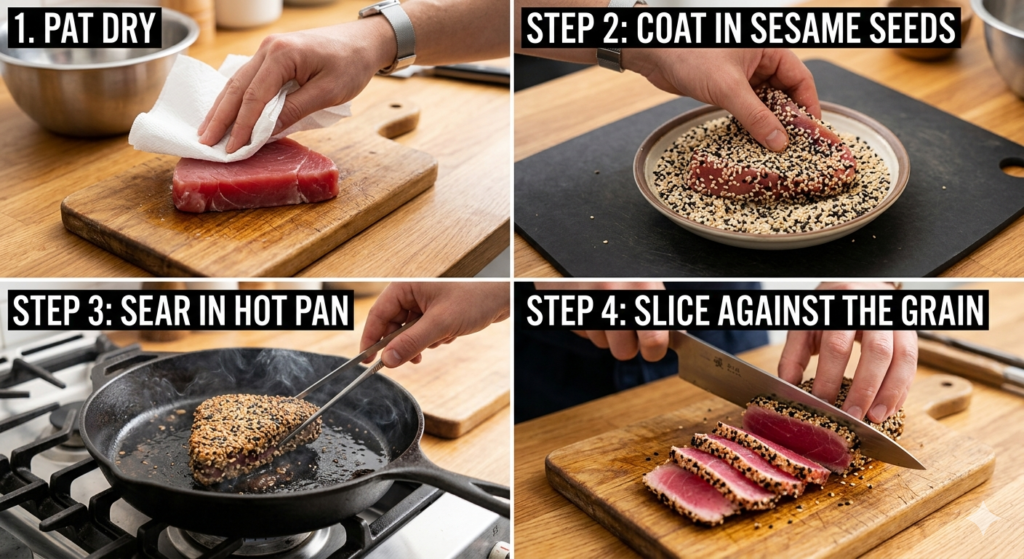
Method: Pat the tuna steaks completely dry — moisture is the enemy of a good sear. Press generously into mixed sesame seeds on all sides. Heat a cast iron or heavy-based skillet over the highest possible heat until smoking. Add a thin film of neutral oil, place the tuna in the pan, and sear for exactly 60–90 seconds per side. The outside should be golden and the center completely rare. Rest for 2 minutes, slice against the grain, and drizzle with a simple soy-ginger-lime dressing.
What makes it special: The textural contrast between the nutty, toasted sesame crust and the silky, cool, rare interior is one of the great experiences in seafood cookery — achieved in under five minutes from start to finish.
Pro tip: Never move the tuna once it is in the pan. Leave it completely undisturbed for the full searing time on each side — movement prevents the crust from forming properly and results in a pale, patchy exterior rather than a beautifully even golden crust.
The searing technique is explored in full detail in our The Ultimate Guide to Perfectly Seared Meat: Professional Techniques and Tips — the principles apply equally to tuna steaks.
2. Tuna Poke Bowl
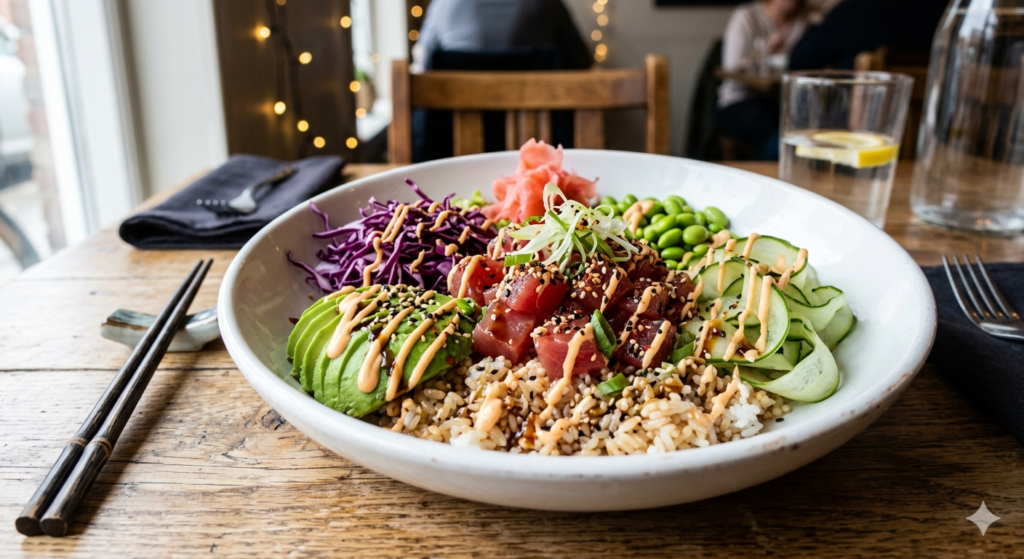
Prep time: 20 minutes | Serves: 2
The poke bowl has become one of the defining food presentations of the past decade — and for excellent reason. Fresh raw tuna marinated in soy, sesame, and ginger, served over warm sushi rice with a rainbow of fresh toppings and vibrant sauces, delivers a bowl that is simultaneously nourishing, beautiful, and deeply satisfying.
Key ingredients: Sashimi-grade yellowfin tuna (cubed), soy sauce, sesame oil, rice vinegar, fresh ginger (grated), garlic, honey, sushi rice, avocado, edamame, cucumber, shredded purple cabbage, pickled ginger, toasted sesame seeds, sriracha mayo, nori strips
Method: Marinate the cubed tuna in soy, sesame oil, ginger, garlic, and a touch of honey for 10–15 minutes, no longer, as the acid will begin to cook the fish. Cook and season the sushi rice. Arrange the rice in bowls, place the marinated tuna in the center, and build the toppings around it in organized sections for the most beautiful presentation.
What makes it special: The combination of warm, sticky rice, cold, silky marinated tuna, and the contrast of textures and temperatures across the toppings creates an eating experience that is simultaneously fresh and deeply satisfying.
Pro tip: Use only sashimi-grade tuna for poke — this designation indicates the fish has been handled and stored appropriately for raw consumption. Never use regular tuna steaks for raw preparations.
3. Tuna Tartare with Avocado
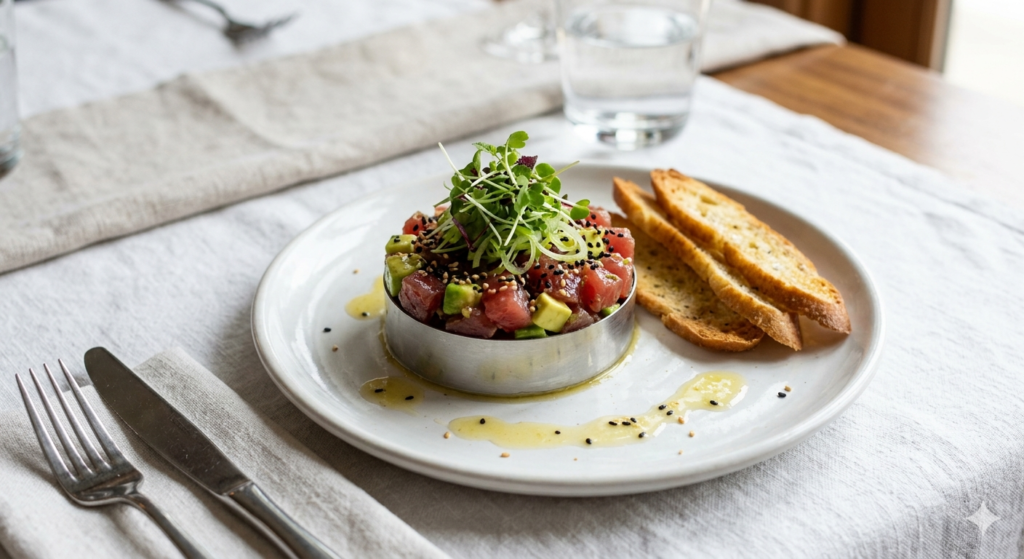
Prep time: 20 minutes | Serves: 4
Tuna tartare is one of the most elegant starters in modern cooking — a restaurant-quality preparation that requires no cooking whatsoever and comes together in under 20 minutes. Finely diced sashimi-grade tuna seasoned with soy, sesame, lemon, and a little chili, layered over creamy diced avocado, and plated with precision.
Key ingredients: Sashimi-grade yellowfin tuna (finely diced), ripe avocado (diced), soy sauce, sesame oil, lemon juice, fresh ginger, fresh chili, green onion, toasted sesame seeds, fresh cilantro, microgreens, crostini or wonton crisps to serve
Method: Combine diced tuna gently with soy, sesame oil, ginger, lemon juice, and chili. Mix diced avocado separately with a little lemon juice, salt, and green onion. Layer avocado in the base of a small round mold or ring, press tuna mixture on top, and unmold carefully onto the plate. Garnish with microgreens and sesame seeds.
What makes it special: The visual impact of a well-plated tuna tartare is extraordinary for its simplicity — and the flavor combination of fresh, clean tuna with creamy, rich avocado is one of the most harmonious pairings in seafood cuisine.
4. Grilled Tuna Steaks with Salsa Verde
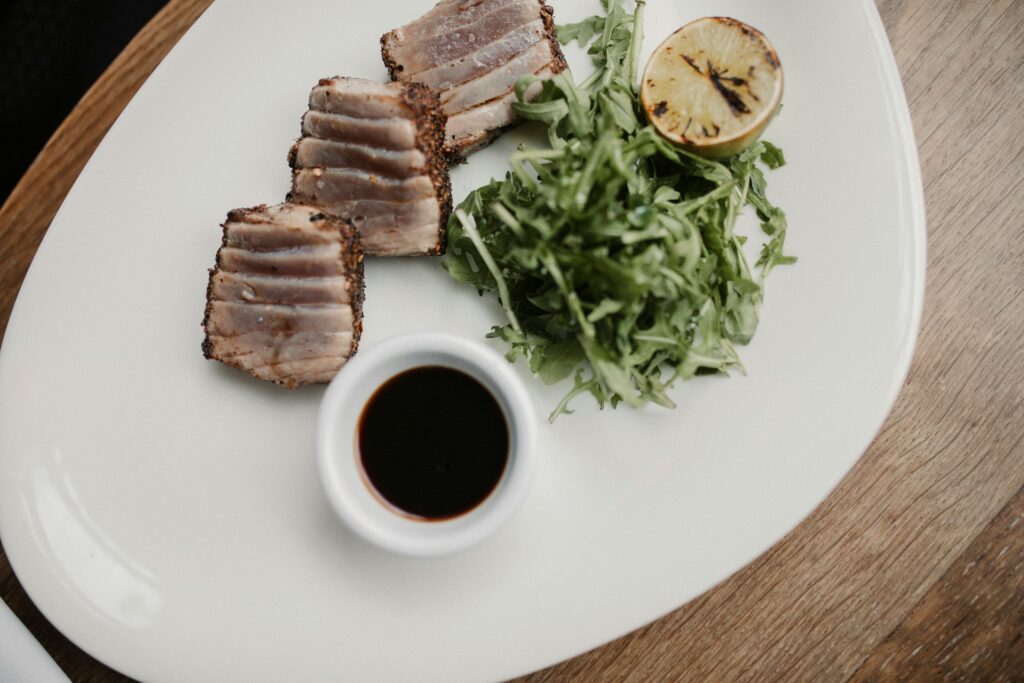
Prep time: 15 minutes | Cook time: 6 minutes | Serves: 2
Grilling tuna steaks over high heat creates a beautiful char that adds a smoky depth to the fish’s natural richness — and a punchy, herbaceous salsa verde of parsley, capers, lemon, garlic, and olive oil provides exactly the acidity and freshness needed to cut through that richness.
Key ingredients: Yellowfin tuna steaks, olive oil, sea salt, cracked black pepper. Salsa verde: fresh flat-leaf parsley, fresh mint, capers, garlic, Dijon mustard, lemon juice, extra virgin olive oil, sea salt
Method: Make the salsa verde first by finely chopping herbs, capers, and garlic together, then emulsifying with lemon juice, Dijon, and olive oil. Season generously. Brush tuna steaks with olive oil, season well, and grill over the highest possible heat for 2–3 minutes per side for medium-rare. Spoon salsa verde generously over the fish immediately before serving.
Pro tip: Salsa verde made by hand — finely chopped rather than blended — has a superior texture and a more vibrant, varied flavor than the machine-blended version. The effort is minimal, and the result is noticeably better. Our Master the Art of Sauce Making: Basic Techniques covers classic sauce techniques, including verde-style preparations in full detail.
5. Tuna Niçoise Salad
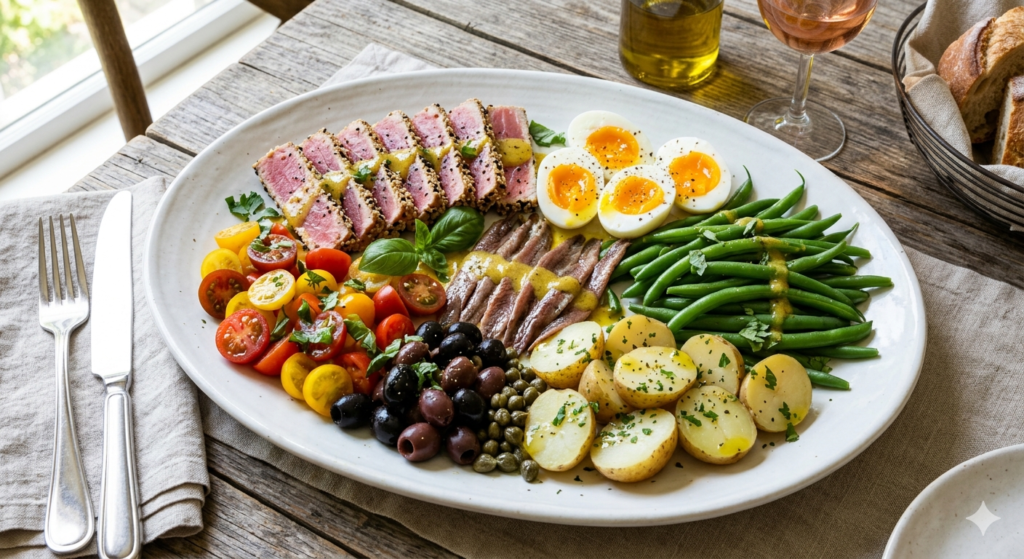
Prep time: 20 minutes | Cook time: 15 minutes | Serves: 4
The niçoise salad is one of the great composed salads of French cuisine — a generous, beautiful arrangement of seared tuna, hard-boiled eggs, green beans, new potatoes, olives, cherry tomatoes, and a sharp Dijon vinaigrette that ties every element together with precision.
Key ingredients: Fresh tuna steaks (seared), eggs (soft or hard boiled), fine green beans (blanched), new potatoes (boiled), cherry tomatoes, black olives, capers, anchovy fillets (optional), little gem lettuce. Vinaigrette: Dijon mustard, red wine vinegar, extra virgin olive oil, garlic, sea salt
Method: Cook each component separately and allow to cool. Arrange all elements in distinct, organized sections on a large platter rather than tossing — the niçoise is a composed salad, and its beauty lies in the intentional arrangement of each component. Drizzle vinaigrette over everything just before serving.
What makes it special: The niçoise is a complete, nutritionally balanced meal in a single dish — protein from the tuna and eggs, carbohydrate from the potatoes, fiber from the vegetables, and healthy fats from the olives and olive oil dressing. It is one of the most satisfying salads in all of cooking.
Pro tip: Never overdress a niçoise. A light, even drizzle of sharp vinaigrette allows each component’s flavor to remain distinct rather than drowning everything in dressing.
6. Tuna Tataki
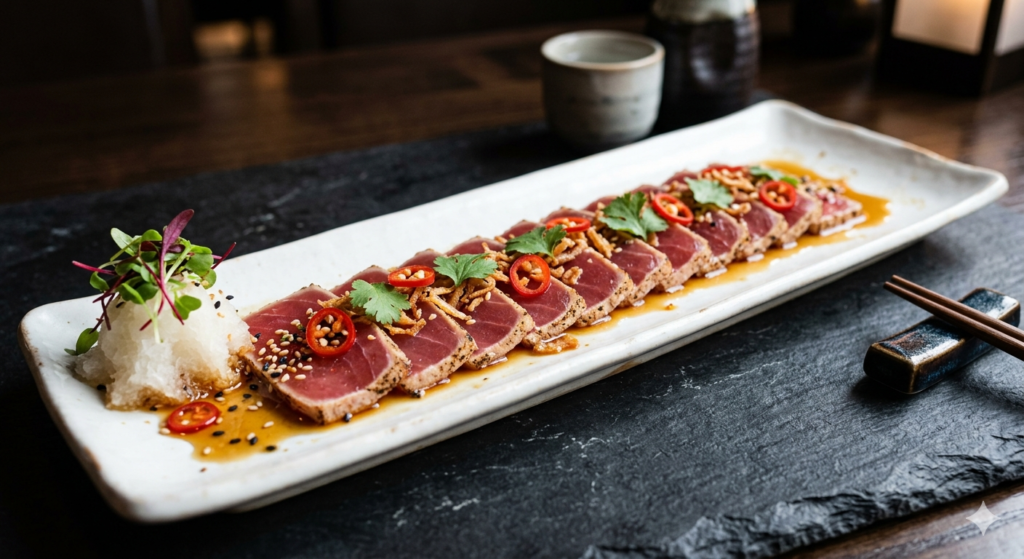
Prep time: 15 minutes | Cook time: 2 minutes | Serves: 4
Tataki is a Japanese cooking technique in which the fish is very briefly seared on the outside — just a few seconds per side — leaving almost the entire interior completely raw and cool. The paper-thin slices are then dressed with a sharp, citrusy ponzu sauce and garnished with traditional Japanese accompaniments.
Key ingredients: Sashimi-grade yellowfin tuna (as a whole loin piece), neutral oil, ponzu sauce, grated daikon, fresh red chili, fresh cilantro, fried shallots, toasted sesame seeds, thin-sliced green onion, microgreens
Method: Heat a pan until smoking. Sear the tuna loin very briefly — 10–15 seconds per side — turning to sear all four sides. Immediately transfer to a plate lined with plastic wrap, roll tightly, and refrigerate for 10 minutes. Slice very thinly against the grain and fan out on the serving plate. Spoon ponzu over and add garnishes.
What makes it special: The barely-there sear on the exterior of tataki creates a beautiful contrast with the cool, silky raw interior — and the bright, citrusy ponzu dressing elevates the natural, clean flavor of the tuna with remarkable elegance.
7. Tuna and Mango Ceviche
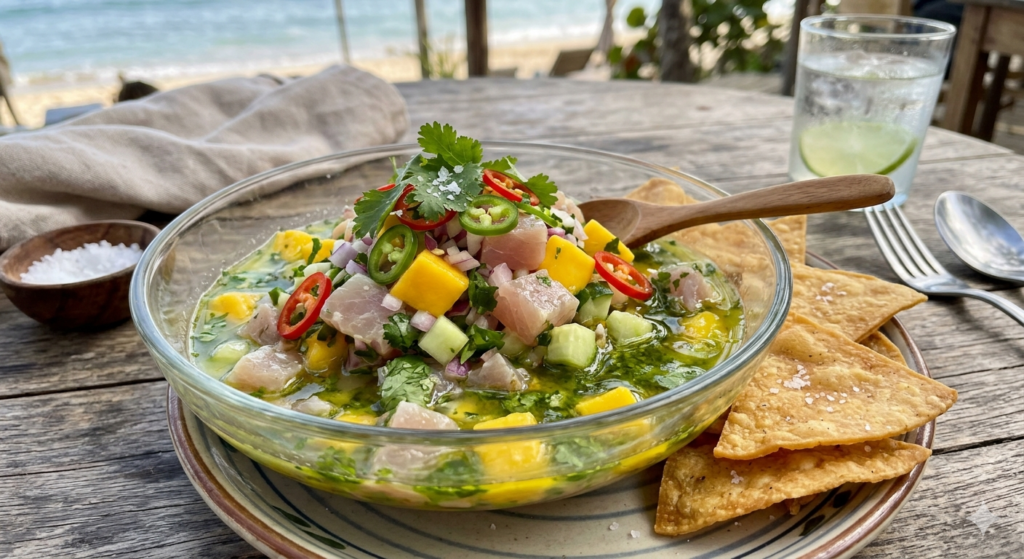
Prep time: 25 minutes + 20 minutes marinating | Serves: 4
Ceviche — fish cured in citrus juice until the proteins denature and the flesh becomes opaque and firm — is one of the most refreshing, vibrant preparations in South American cuisine. Tuna’s firm texture makes it ideal for this technique, and the pairing with sweet mango creates a combination of tropical freshness that is extraordinary.
Key ingredients: Sashimi-grade yellowfin tuna (diced), fresh lime juice, fresh lemon juice, ripe mango (diced), red onion (very thinly sliced), fresh green chili, cucumber (diced), fresh cilantro, sea salt, optional: a splash of orange juice for sweetness
Method: Combine diced tuna with lime and lemon juice and a generous pinch of salt. The citrus acid will begin to denature the tuna proteins immediately, after 15–20 minutes, the exterior will appear opaque while the center remains slightly translucent. Drain most of the citrus juice, combine with the remaining ingredients, taste, and adjust.
Pro tip: The timing of ceviche marination is critical. Under-marinated ceviche is unpleasantly raw and slimy; over-marinated becomes tough and dry. 15–20 minutes in citrus produces the ideal texture — opaque outside, just barely giving in the center.
Canned Tuna Recipes
8. Classic Tuna Pasta (Pasta al Tonno)
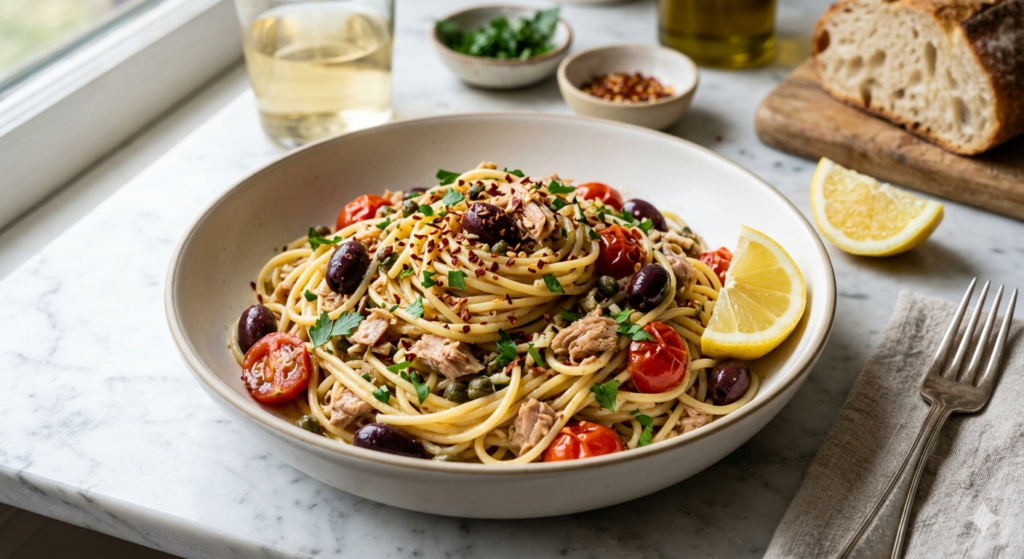
Prep time: 10 minutes | Cook time: 15 minutes | Serves: 4
Pasta al tonno is one of the great weeknight pantry dinners of Italian cooking — a deeply flavorful, satisfying pasta that comes together entirely from shelf-stable ingredients in under 20 minutes. Tuna in olive oil, cherry tomatoes, black olives, capers, garlic, and fresh parsley combine into a sauce of remarkable depth for its simplicity.
Key ingredients: Spaghetti or linguine, canned tuna in olive oil (drained), cherry tomatoes (halved), black olives (pitted), capers, garlic, dried chili flakes, fresh flat-leaf parsley, extra virgin olive oil, sea salt, lemon juice
Method: Cook pasta in generously salted boiling water. Meanwhile, sauté garlic and chili flakes in olive oil until fragrant — about 60 seconds. Add cherry tomatoes and cook until they begin to burst and release their juices. Add olives, capers, and drained tuna, breaking the tuna into large flakes rather than mashing it. Toss with the drained pasta, finish with lemon juice and fresh parsley.
What makes it special: The key to great pasta al tonno is keeping the tuna in large, generous flakes rather than breaking it down into small pieces — each bite should encounter a proper piece of tuna rather than a faint background presence.
Pro tip: Use tuna packed in olive oil rather than spring water for this recipe — the oil the tuna is packed in becomes part of the sauce and adds an extraordinary depth of flavor that water-packed tuna simply cannot replicate.
For perfectly cooked pasta every time, understanding the right water temperature and timing is essential. Our Kitchen Temperatures: The Complete Guide from Simmer to Boil covers boiling and simmering techniques in detail.
9. Tuna Patties (Tuna Cakes)
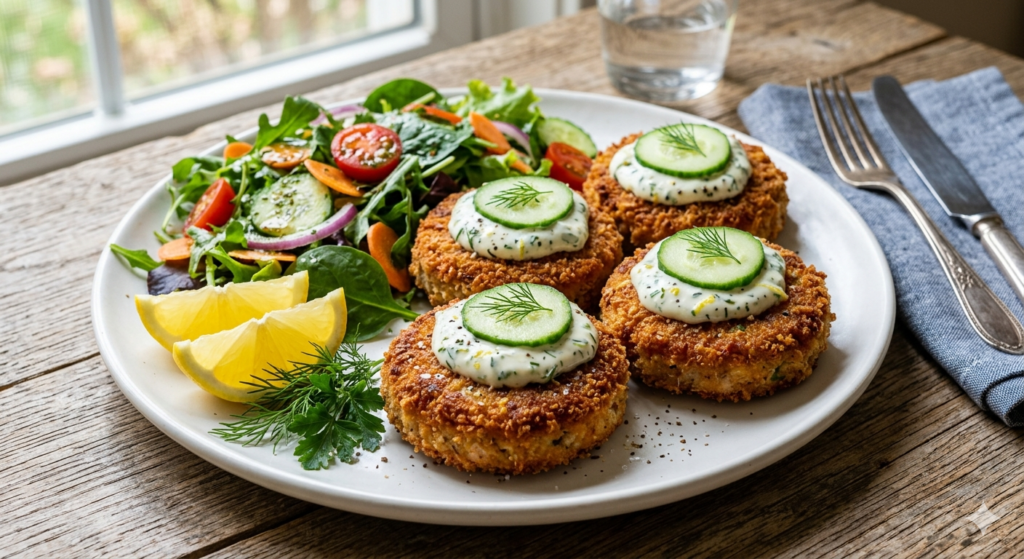
Prep time: 15 minutes | Cook time: 10 minutes | Makes: 8 patties
Tuna patties are one of the most satisfying, economical, and genuinely delicious things you can make from a can of tuna. Crispy and golden on the outside, moist and flavorful within, these patties come together from pantry staples in minutes and work beautifully as a main course, in a sandwich, or alongside a fresh salad.
Key ingredients: Canned tuna (drained), breadcrumbs, egg, mayonnaise, Dijon mustard, lemon juice and zest, fresh chives or parsley, garlic powder, onion powder, smoked paprika, sea salt, cracked black pepper, olive oil for frying
Method: Combine all ingredients and mix gently until just combined — do not overmix or the patties will become dense. Form into eight equal patties. Chill in the refrigerator for 15 minutes to firm up before cooking — this step dramatically reduces the likelihood of them falling apart in the pan. Fry in a little olive oil over medium heat for 3–4 minutes per side until golden and crispy.
Serving suggestions: Serve with a dollop of herb yogurt (Greek yogurt with lemon, dill, and garlic), a fresh green salad, or in a toasted flatbread with salad leaves and tomato.
Pro tip: The 15-minute refrigeration step before frying is non-negotiable for patties that hold together beautifully. Cold, firm patties go into a hot pan — warm, soft patties fall apart.
10. Tuna Melt Sandwich
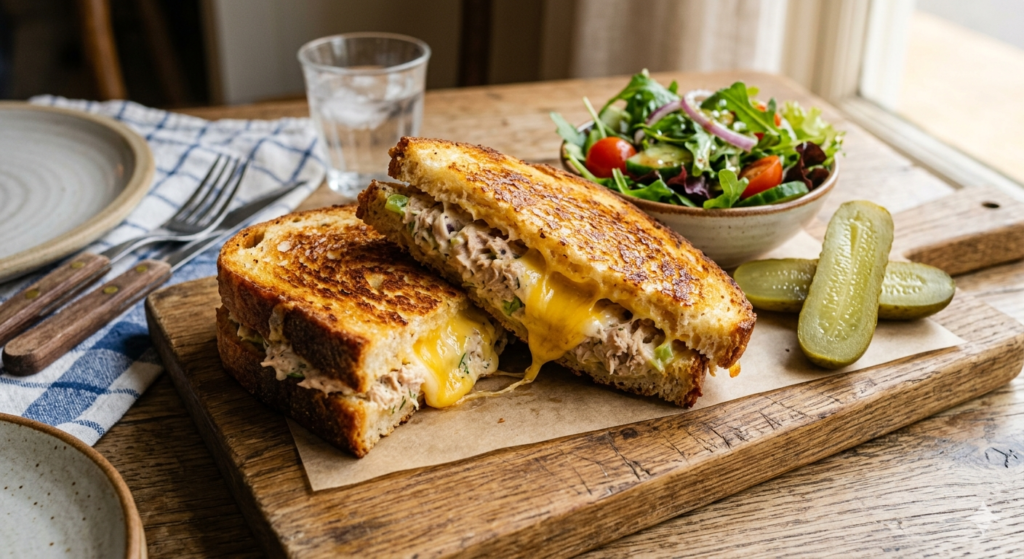
Prep time: 10 minutes | Cook time: 8 minutes | Serves: 2
The tuna melt is one of the great comfort food sandwiches — toasted bread, creamy tuna salad filling, and melted cheese combined into a warm, deeply satisfying handheld that is fast enough for lunch and good enough for dinner.
Key ingredients: Sourdough or sandwich bread, canned tuna (drained), mayonnaise, Dijon mustard, finely diced celery, lemon juice, fresh chives, sea salt, cracked black pepper, sharp cheddar (sliced or grated), softened butter for the exterior
Method: Mix tuna with mayonnaise, Dijon, celery, lemon juice, chives, salt, and pepper. Spread generously onto bread, top with a generous layer of cheddar, and close the sandwich. Butter the exterior of both sides and cook in a skillet or sandwich press over medium heat until golden and the cheese is completely melted.
What makes it special: The contrast between the crispy, buttery toasted exterior and the warm, melted interior is one of the most comforting textural experiences in all of sandwich cookery.
11. Tuna Stuffed Avocados
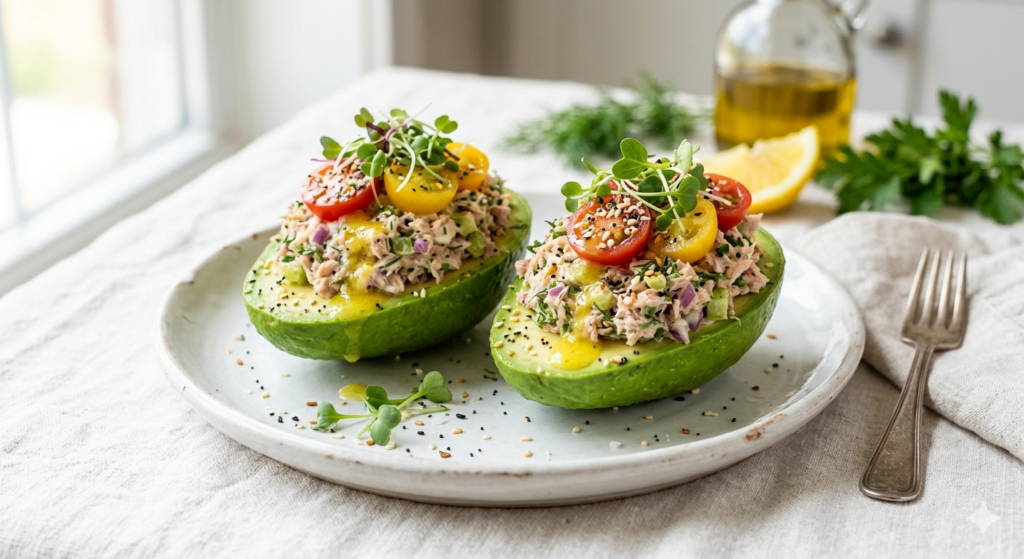
Prep time: 15 minutes | Serves: 2
This is one of the most elegant, nutritious, and effortless lunches imaginable — perfectly ripe avocado halves filled with a bright, herb-seasoned tuna salad that requires no cooking and takes under 15 minutes to prepare. It is simultaneously fresh, satisfying, and visually beautiful.
Key ingredients: Ripe avocados (halved, stone removed), canned tuna (drained), Greek yogurt or light mayonnaise, Dijon mustard, lemon juice and zest, fresh dill, fresh chives, finely diced red onion, cherry tomatoes, sea salt, cracked black pepper, and everything bagel seasoning
Method: Mix tuna with Greek yogurt, Dijon, lemon juice and zest, fresh herbs, and red onion. Season generously. Fill each avocado half generously with the tuna mixture, top with halved cherry tomatoes, a pinch of everything bagel seasoning, and a drizzle of good olive oil.
What makes it special: Using Greek yogurt instead of mayonnaise in the tuna filling makes this a lighter, more protein-rich version without any sacrifice in creaminess or flavor.
12. Tuna and Sweetcorn Jacket Potato
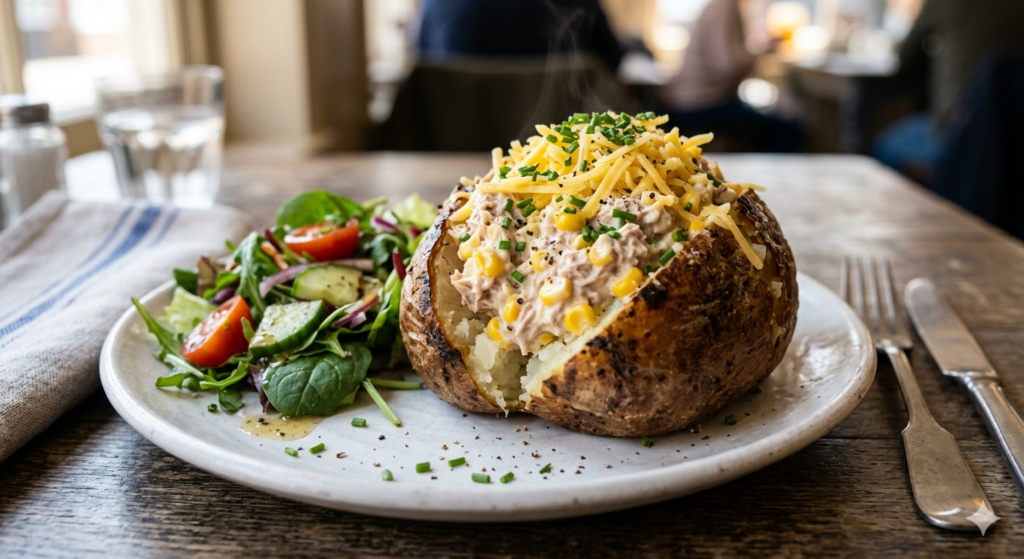
Prep time: 10 minutes | Cook time: 1 hour (potato) | Serves: 2
The tuna and sweetcorn jacket potato is one of the most beloved comfort food combinations in British home cooking — and for very good reason. A properly baked potato with a crispy skin and fluffy interior loaded with creamy tuna, sweet corn, and a generous topping of melted cheddar is deeply satisfying in a way that is entirely unpretentious and completely wonderful.
Key ingredients: Large baking potatoes, canned tuna (drained), canned or frozen sweetcorn, mayonnaise or Greek yogurt, Dijon mustard, lemon juice, fresh chives, sea salt, cracked black pepper, grated cheddar, olive oil for the potato skin
Method: Rub the potato skins with olive oil and sea salt and bake at 400°F for 1 hour until the skin is crispy and the interior is completely soft. Mix tuna with sweetcorn, mayonnaise, Dijon, lemon, chives, salt, and pepper. Split the potato, fluff the interior with a fork, fill generously with the tuna mixture, and top with grated cheddar. Return to the oven or broil for 2–3 minutes until the cheese melts.
Pro tip: The olive oil and sea salt rubbed on the potato skin before baking is essential for the crispy, snackable skin that makes a jacket potato truly great. Do not skip this step.
13. Mediterranean Tuna Salad
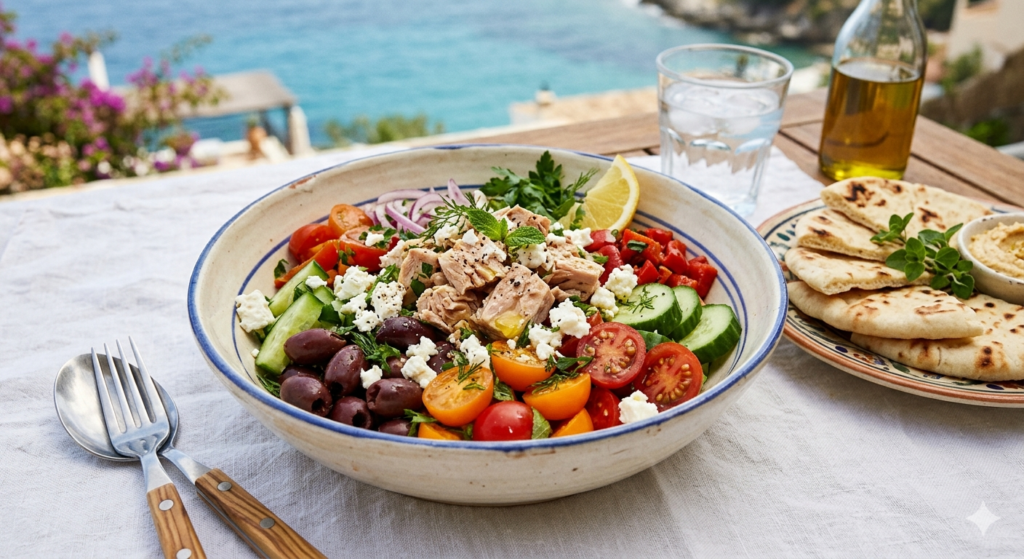
Prep time: 15 minutes | Serves: 4
This generous, colorful salad is Mediterranean sunshine in a bowl — canned tuna combined with cherry tomatoes, cucumber, Kalamata olives, roasted red peppers, crumbled feta, and a bright lemon-herb dressing that ties every element together with effortless freshness.
Key ingredients: Canned tuna in olive oil (drained), cherry tomatoes (halved), cucumber (diced), Kalamata olives, roasted red peppers (sliced), red onion (finely sliced), feta cheese (crumbled), fresh flat-leaf parsley, fresh mint, capers. Dressing: extra virgin olive oil, lemon juice, garlic, dried oregano, sea salt, cracked black pepper
What makes it special: This salad requires no cooking whatsoever and is assembled entirely from pantry and refrigerator staples — yet it delivers a level of flavor, color, and satisfaction that far exceeds the minimal effort involved.
Make-ahead: This salad keeps well for up to 2 days in the refrigerator — the flavors develop beautifully as the tuna absorbs the herb dressing. Add the feta just before serving to prevent it dissolving into the dressing.
14. Spicy Tuna Rice Bowl
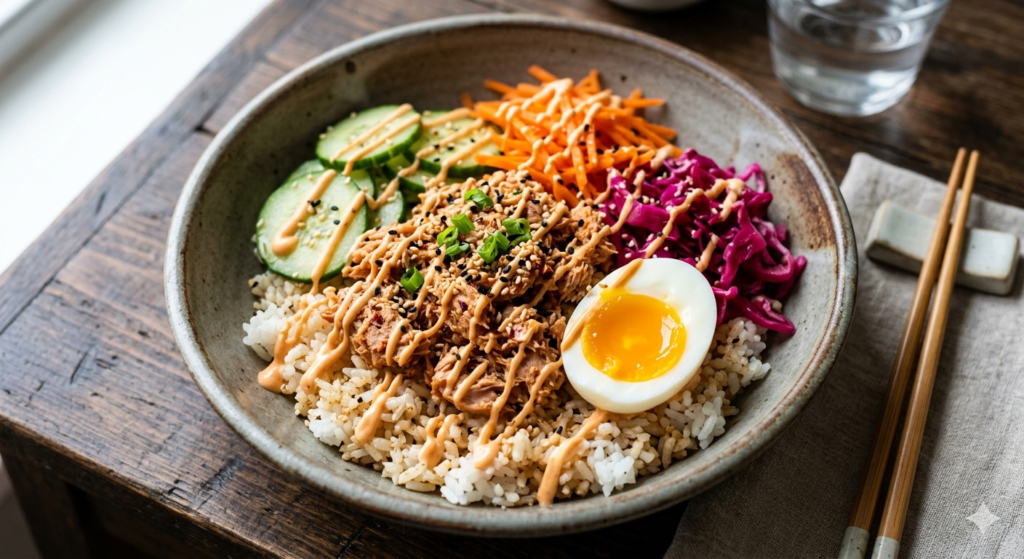
Prep time: 15 minutes | Cook time: 15 minutes | Serves: 2
This is the weeknight bowl that delivers maximum flavor for minimum effort — seasoned tuna in a punchy chili-soy-sesame sauce served over warm steamed rice with a variety of fresh and pickled toppings and a runny soft-boiled egg that brings everything together.
Key ingredients: Canned tuna (drained), cooked white or brown rice, soy sauce, sriracha, sesame oil, rice vinegar, honey, garlic, cucumber, shredded carrot, pickled red cabbage, soft-boiled egg, toasted sesame seeds, green onion, nori strips
Method: Toss drained tuna with soy, sriracha, sesame oil, rice vinegar, a little honey, and grated garlic. Build the bowls with warm rice as the base, arrange the seasoned tuna in the center, and place each topping in organized sections around it. Drizzle with additional sriracha mayo and finish with toasted sesame and green onion.
Pro tip: A soft-boiled egg with a jammy, slightly runny yolk stirred through the bowl as you eat adds an extraordinary richness and creaminess that binds all the other elements together.
15. Tuna and Vegetable Frittata
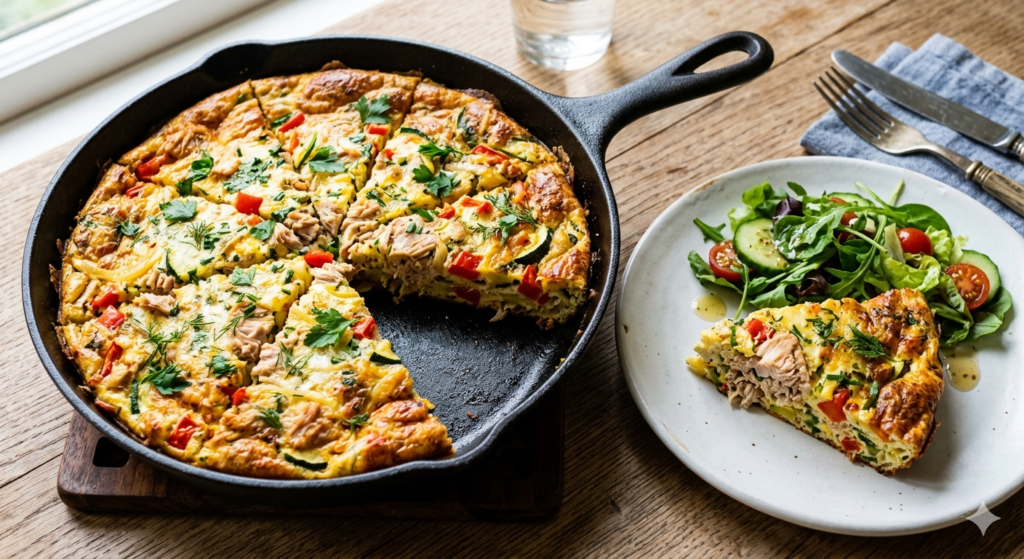
Prep time: 15 minutes | Cook time: 20 minutes | Serves: 4–6
A frittata is one of the most versatile, economical, and impressive-looking dishes in the home cook’s repertoire — and tuna combined with sautéed vegetables, fresh herbs, and good cheese makes an outstanding filling. Equally good hot or cold, and perfect for meal prep.
Key ingredients: Eggs, canned tuna (drained), red bell pepper (diced and sautéed), zucchini (sliced and sautéed), onion, garlic, fresh parsley, grated Parmesan, sea salt, cracked black pepper, olive oil
Method: Sauté vegetables until tender. Beat eggs with Parmesan, salt, and pepper. Fold in the tuna and vegetables. Pour into a well-oiled oven-safe skillet and cook over medium heat for 5 minutes until the edges begin to set. Transfer to a 375°F oven and bake for 12–15 minutes until completely puffed and set throughout.
Make-ahead: This frittata keeps well in the refrigerator for up to 4 days and tastes excellent cold — making it ideal for packed lunches, picnics, and meal prep. For safe storage guidelines, our Food Safety 101: Storage, Handling, and Temperature Guide covers refrigerating cooked egg dishes correctly.
16. Tuna Pasta Bake
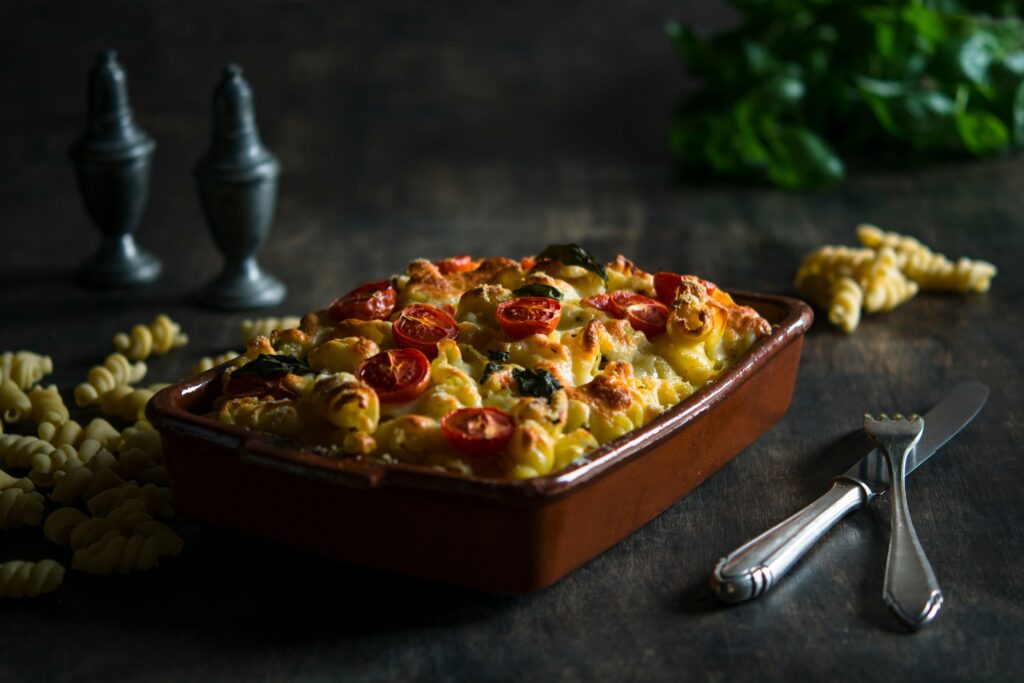
Prep time: 20 minutes | Cook time: 30 minutes | Serves: 6
The tuna pasta bake is a beloved family dinner classic — pasta, tuna, sweetcorn, and peas in a creamy cheese sauce, topped with breadcrumbs and extra cheese and baked until golden and bubbling. It is the kind of warming, comforting dish that brings the whole family to the table willingly.
Key ingredients: Pasta (penne or rigatoni), canned tuna (drained), sweetcorn, frozen peas, cheddar sauce (butter, flour, milk, cheddar), Dijon mustard, garlic powder, sea salt, cracked black pepper. Topping: breadcrumbs, grated Parmesan, and grated cheddar
Method: Cook pasta until just under al dente — it will continue cooking in the oven. Make a simple cheese sauce from a butter-flour roux, milk, and cheddar. Combine pasta, tuna, sweetcorn, peas, and cheese sauce, season well, transfer to a baking dish, top generously with breadcrumbs and extra cheese, and bake at 375°F for 25–30 minutes until golden and crispy on top.
Pro tip: Undercook the pasta slightly before baking — it will absorb some of the sauce as it bakes and continue cooking in the oven. Properly cooked pasta going into the oven will become overcooked by the time it comes out.
17. Tuna and Avocado Salad Wraps
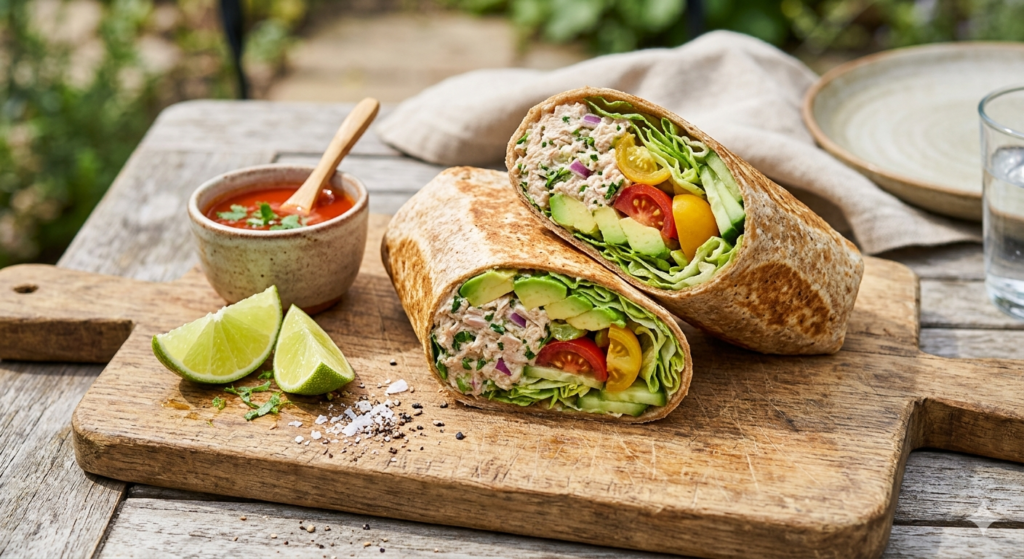
Prep time: 15 minutes | Serves: 2
These wraps are a brilliant, portable, protein-packed lunch that comes together in minutes and delivers a genuinely satisfying combination of flavors and textures. A well-seasoned tuna salad with creamy avocado, crisp lettuce, fresh tomato, and cucumber in a whole wheat tortilla is one of the most complete, nutritious quick meals available.
Key ingredients: Whole wheat tortillas, canned tuna (drained), ripe avocado (sliced), cherry tomatoes (halved), shredded romaine lettuce, cucumber (sliced), red onion (finely sliced), mayonnaise or Greek yogurt, Dijon mustard, lemon juice, fresh chives, sea salt, cracked black pepper, hot sauce optional
Pro tip: Warm the tortilla briefly in a dry skillet before filling — a warm, pliable tortilla wraps far more easily and neatly than a cold, stiff one, and the texture is noticeably better.
18. Tuna Stuffed Bell Peppers
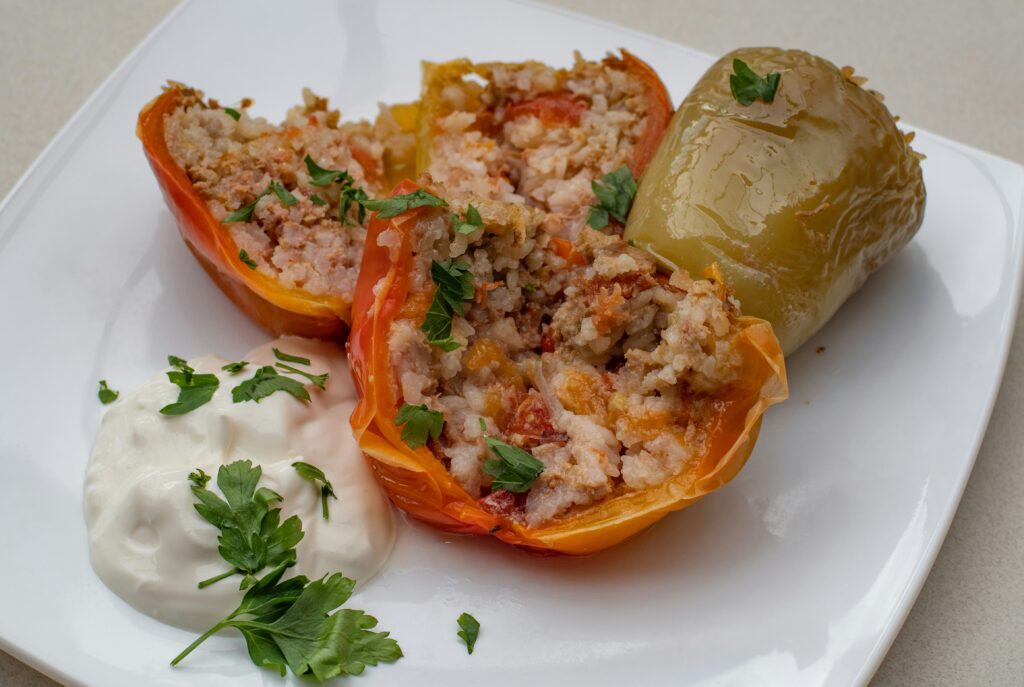
Prep time: 20 minutes | Cook time: 25 minutes | Serves: 4
Stuffed peppers are one of the most satisfying, visually striking baked dishes imaginable — and a filling of tuna, rice, herbs, and melted mozzarella creates a complete, nutritious meal in an edible container that is as beautiful on the table as it is delicious on the plate.
Key ingredients: Bell peppers (halved and deseeded), canned tuna (drained), cooked rice, cherry tomatoes (diced), garlic, fresh parsley, fresh basil, lemon juice, olive oil, mozzarella (sliced), Parmesan, sea salt, cracked black pepper
Method: Mix tuna with cooked rice, diced tomatoes, garlic, herbs, lemon juice, and olive oil. Season generously. Fill each pepper half with the tuna and rice mixture, top with mozzarella and a little Parmesan, drizzle with olive oil, and bake at 400°F for 20–25 minutes until the peppers are tender and the cheese is golden.
What makes it special: The natural sweetness of the bell pepper intensifies as it roasts, creating a beautiful contrast with the savory, herby tuna filling and the rich, melted cheese topping.
19. Tuna and Chickpea Stew
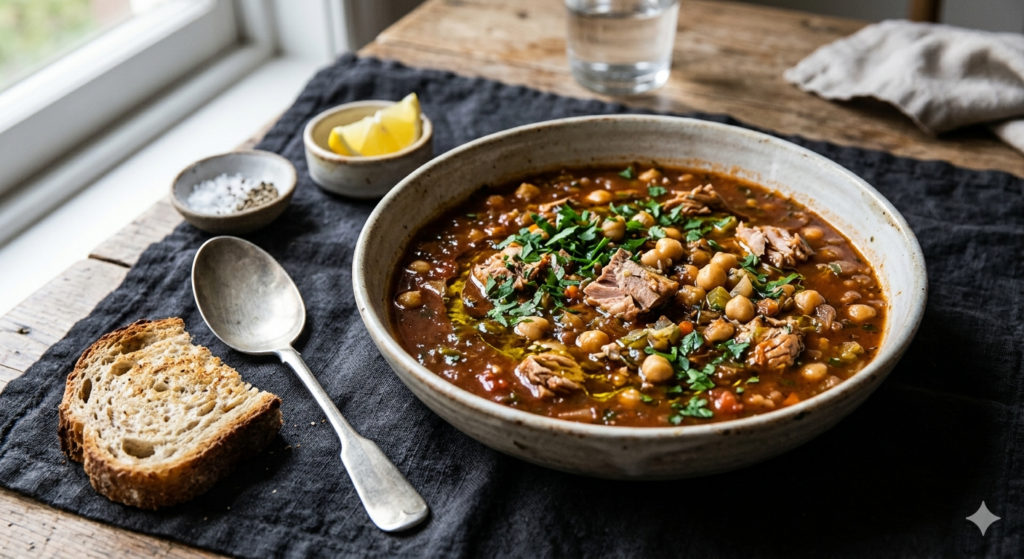
Prep time: 15 minutes | Cook time: 25 minutes | Serves: 4
This warming, deeply flavored stew is one of the most nourishing and satisfying tuna dishes on this list — a Spanish-inspired combination of flaked tuna, hearty chickpeas, ripe tomatoes, smoked paprika, and fresh herbs that comes together in a single pot in under 30 minutes.
Key ingredients: Canned tuna (drained, in large flakes), canned chickpeas, canned chopped tomatoes, onion, garlic, smoked paprika, cumin, fresh flat-leaf parsley, lemon juice, vegetable stock, extra virgin olive oil, sea salt, cracked black pepper
Method: Sauté onion and garlic in olive oil until soft. Add smoked paprika and cumin and cook for 60 seconds until fragrant. Add tomatoes and stock, simmer for 15 minutes. Add chickpeas and cook for 5 more minutes. Remove from heat and fold in the tuna flakes gently — adding the tuna at the very end preserves its texture and prevents it from becoming dry or stringy. Finish with lemon juice and fresh parsley.
What makes it special: Adding the tuna off the heat at the very end of cooking — rather than simmering it — is the technique that keeps it moist, flavorful, and in proper flakes rather than disintegrating into the sauce.
20. Tuna and Egg Fried Rice
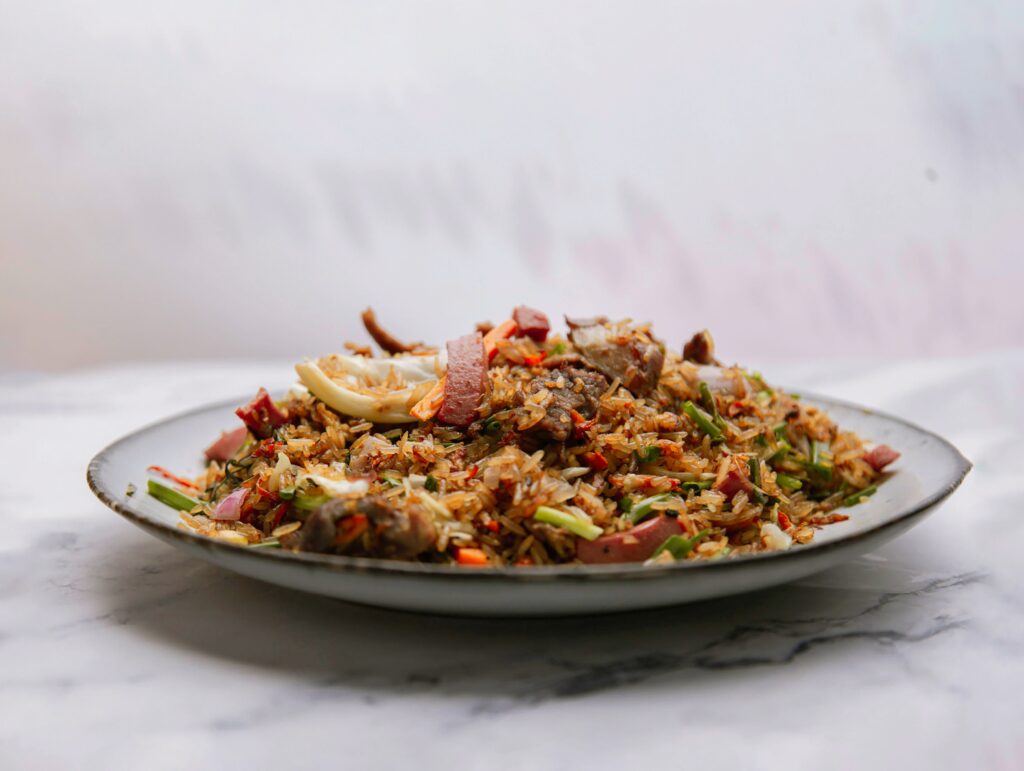
Prep time: 10 minutes | Cook time: 12 minutes | Serves: 4
Fried rice is the ultimate pantry-to-plate weeknight dinner — and with canned tuna, it becomes a protein-packed, deeply satisfying meal that uses leftover rice and whatever vegetables you have on hand. The key is using day-old cooked rice, a very hot wok, and the courage to leave the rice undisturbed long enough to develop those gorgeous golden, toasted patches.
Key ingredients: Day-old cooked white or brown rice, canned tuna (drained), eggs (beaten), frozen peas, sweetcorn, garlic, fresh ginger, soy sauce, sesame oil, neutral oil, green onion, toasted sesame seeds, sriracha to serve
Method: Heat a wok or large skillet over the highest possible heat until smoking. Add oil, then garlic and ginger — stir for 30 seconds. Add the rice and press down firmly — leave undisturbed for 90 seconds to develop toasted patches. Stir, push to one side, and scramble the eggs in the empty space. Fold everything together, add tuna, peas, corn, soy sauce, and sesame oil. Toss vigorously and serve immediately.
Pro tip: Day-old refrigerated rice is essential for great fried rice. Freshly cooked rice is too moist and steams rather than frying, producing a soft, clumped result rather than the dry, separated grains and toasted patches that define great fried rice.
For guidance on precise knife preparation of aromatics and vegetables for this recipe, our Mise en Place: How to Organize Your Cooking Like a Pro explains how to set up your workspace for fast, efficient wok cooking.
Essential Techniques for Cooking Tuna
How to Select Fresh Tuna
Look for tuna steaks that are deep red or ruby-colored with a glistening, slightly translucent appearance. The flesh should smell clean and ocean-fresh — never fishy or ammonia-like. Avoid steaks that are dull, brown, or have a strong odor. For sashimi preparations (tartare, poke, tataki, ceviche), specify sashimi-grade to your fishmonger — this indicates proper handling and storage for raw consumption.
How to Store Fresh Tuna
Fresh tuna should be used within 24 hours of purchase for the best flavor and texture, and stored on ice or in the coldest part of the refrigerator. For sashimi-grade tuna intended for raw preparation, consume on the day of purchase where possible.
The Importance of Patting Dry
For any searing or grilling application, patting the tuna steak completely dry with kitchen paper immediately before cooking is the single most important step. Surface moisture creates steam rather than a sear, and steam is the enemy of a beautiful crust.
Slicing Against the Grain
Always slice seared or grilled tuna against the grain — perpendicular to the direction of the muscle fibers. Slicing with the grain produces a chewy, stringy result; slicing against it yields clean, tender slices that present beautifully on the plate.
Choosing Between Oil and Water-Packed Canned Tuna
For pasta, stews, and cooked applications where the liquid becomes part of the sauce, use tuna packed in olive oil — the oil adds flavor to the dish. For salads, sandwiches, and wraps where a drier, cleaner texture is preferred, either works well. Drain both thoroughly before use unless the recipe specifies otherwise.
Tuna Recipe Quick Reference Guide
| Recipe | Form of Tuna | Cook Time | Difficulty | Best Occasion |
|---|---|---|---|---|
| Seared Ahi Tuna Steak | Fresh | 4 mins | Easy | Dinner party |
| Tuna Poke Bowl | Fresh (raw) | 20 mins | Easy | Casual lunch |
| Tuna Tartare | Fresh (raw) | 20 mins | Intermediate | Elegant starter |
| Grilled Tuna with Salsa Verde | Fresh | 6 mins | Easy | Summer dinner |
| Tuna Niçoise Salad | Fresh | 35 mins | Intermediate | Special lunch |
| Tuna Tataki | Fresh | 2 mins | Intermediate | Dinner party |
| Tuna and Mango Ceviche | Fresh (raw) | 25 mins | Intermediate | Summer starter |
| Classic Tuna Pasta | Canned | 15 mins | Easy | Weeknight dinner |
| Tuna Patties | Canned | 25 mins | Easy | Family dinner |
| Tuna Melt Sandwich | Canned | 18 mins | Easy | Quick lunch |
| Tuna Stuffed Avocados | Canned | 15 mins | Easy | Light lunch |
| Jacket Potato with Tuna | Canned | 70 mins | Easy | Comfort dinner |
| Mediterranean Tuna Salad | Canned | 15 mins | Easy | Summer lunch |
| Spicy Tuna Rice Bowl | Canned | 30 mins | Easy | Weeknight dinner |
| Tuna and Vegetable Frittata | Canned | 35 mins | Easy | Brunch or lunch |
| Tuna Pasta Bake | Canned | 50 mins | Easy | Family dinner |
| Tuna and Avocado Wraps | Canned | 15 mins | Easy | Packed lunch |
| Tuna Stuffed Bell Peppers | Canned | 45 mins | Easy | Weekend dinner |
| Tuna and Chickpea Stew | Canned | 40 mins | Easy | Weeknight dinner |
| Tuna and Egg Fried Rice | Canned | 22 mins | Easy | Weeknight dinner |
Nutritional Benefits of Tuna
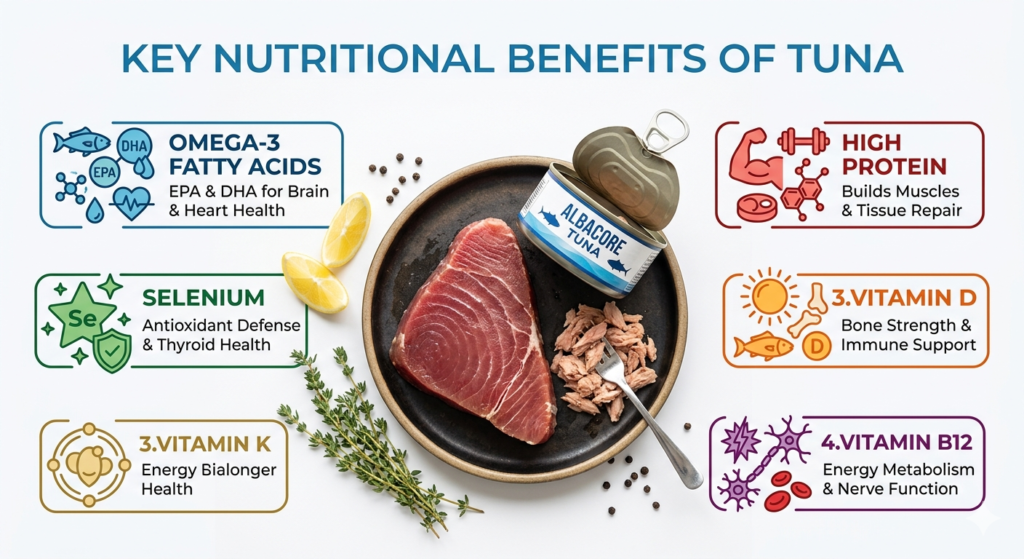
Tuna is consistently ranked among the most nutritionally valuable foods available, and its benefits span both fresh and canned forms:
High-quality complete protein — Tuna contains all nine essential amino acids in high concentrations, making it one of the best protein sources available from any food group.
Omega-3 fatty acids — Regular consumption of tuna has been associated with cardiovascular health benefits, reduced inflammation, and cognitive support. Fresh fatty varieties like bluefin and yellowfin are particularly rich in EPA and DHA.
Vitamin D — One of the few natural food sources of vitamin D, which supports bone health, immune function, and mood regulation.
Selenium — A powerful antioxidant mineral found in high concentrations in tuna, associated with thyroid health and immune function.
According to the British Dietetic Association, oily and lean fish, including tuna, should be included in a balanced diet regularly — with recommendations suggesting at least two portions of fish per week, including one portion of oily fish, for optimal health benefits.
For more excellent seafood recipe inspiration, our 20 Easy Salmon Recipes (Quick & Delicious) offers another collection of healthy, flavorful fish dishes to complement these tuna recipes perfectly.
Frequently Asked Questions
Can I eat canned tuna every day?
While canned tuna is an excellent source of protein and omega-3s, most health authorities recommend varying your fish intake due to the mercury content present in tuna. Light tuna (skipjack) generally contains lower mercury levels than white/albacore tuna. Most adults can safely consume 2–3 servings of canned tuna per week without concern. Always follow the guidance of your local health authority.
What is the best way to cook fresh tuna?
For most people, the best way to enjoy fresh tuna is seared — hot and fast, with a golden crust on the outside and a rare, silky center. Overcooking fresh tuna results in a dry, chalky, deeply disappointing texture. Treat it like a fine beef steak: season well, use high heat, cook briefly, rest, and serve.
How do I know when seared tuna is ready?
Seared tuna for a rare result needs only 60–90 seconds per side in a screaming hot pan. The tuna is ready to flip when it releases naturally from the pan — if it sticks, it needs another few seconds. The exterior should be golden and the sides should show a thin band of cooked flesh while the center remains deep red.
What pairs well with tuna?
Tuna pairs beautifully with bold flavors that complement its rich, meaty character: citrus (lemon, lime, yuzu), capers, olives, fresh herbs (dill, parsley, cilantro, basil), garlic, ginger, soy sauce, sesame, smoked paprika, chili, avocado, and tomato. It is one of the most accommodating proteins across Mediterranean, Asian, and Latin American flavor profiles.
Is canned tuna as nutritious as fresh?
Canned tuna retains most of the protein and many of the vitamins and minerals present in fresh tuna. The omega-3 content is slightly lower in canned than in fresh, and the sodium content is higher. Overall, canned tuna remains an excellent and highly nutritious food, particularly when packed in olive oil rather than brine.
Conclusion
From the elegant simplicity of a perfectly seared ahi tuna steak to the comforting warmth of a family tuna pasta bake, from the vibrant freshness of a poke bowl to the deeply satisfying richness of a cheesy tuna pasta bake — these 20 flavorful tuna recipes demonstrate with absolute clarity why tuna deserves its place as one of the most beloved and versatile ingredients in the entire kitchen.
Whether you reach for a can in the pantry on a busy Tuesday evening or select a beautiful, fresh steak for a special weekend dinner, tuna rewards you consistently with outstanding flavor, remarkable nutrition, and a speed of preparation that no other protein can match.
Start with the recipes that appeal most — the classic tuna pasta and seared ahi steak are both excellent entry points — and build your tuna repertoire from there. With 20 recipes spanning every occasion, cooking method, and flavor profile, you will always have an inspired, delicious answer to the question of what to make with tuna.
For more recipes, techniques, and cooking inspiration across every ingredient and skill level, explore our full collection at skillsinthekitchen.com.