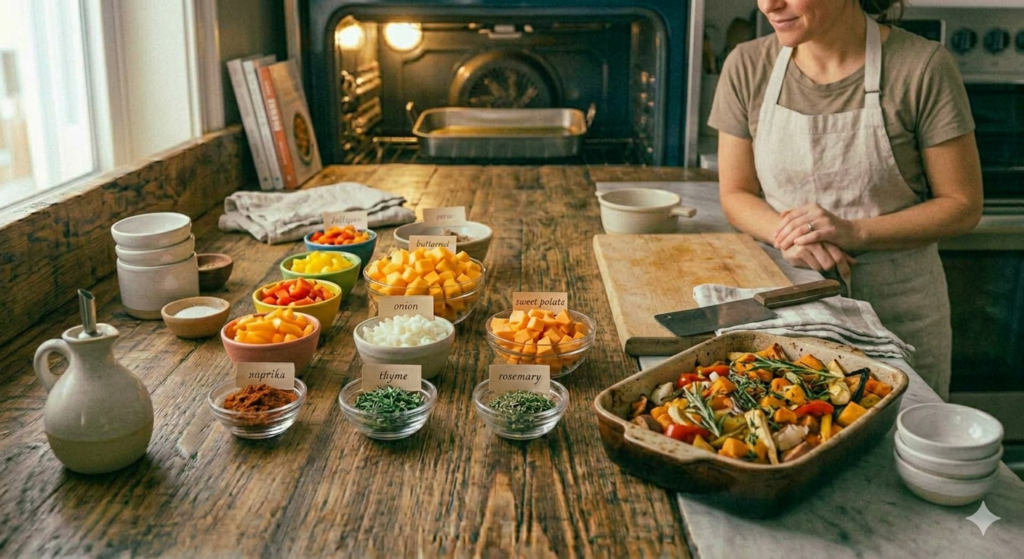
Mise en Place: How to Organize Your Cooking Like a Pro

What is Mise en Place?
Mise en place is a French culinary term that means “everything in its place.” In simple terms, it’s the practice of preparing and organizing all your ingredients before you start cooking.
At first, this might sound like something only professional chefs do—but in reality, it’s one of the most useful habits any beginner can learn. If you’ve ever felt stressed, rushed, or overwhelmed while cooking, mise en place is the solution.
Instead of scrambling to find ingredients while your food is cooking, you prepare everything in advance. This turns cooking from a chaotic process into a calm and controlled experience.
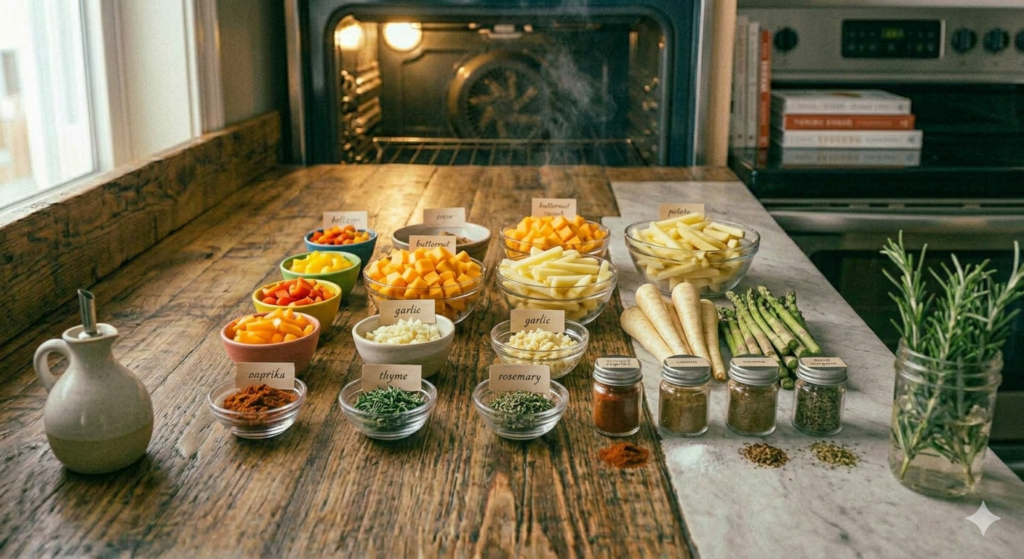
Why Mise en Place Matters for Beginners
Many beginners think cooking is difficult, but often the real problem is poor organization—not lack of skill.
When you cook without preparation:
- You forget ingredients
- You burn food while multitasking
- You feel rushed and stressed
Mise en place solves all of this.
By preparing everything ahead of time, you can focus completely on cooking. If you’re still learning the basics, combining this method with a solid understanding of essential cooking terms makes the entire process much easier and less confusing.
Core Principles of Mise en Place
Professional chefs rely on mise en place for consistency and efficiency. These are the core principles you should follow:
- Read the entire recipe before starting
- Prepare all ingredients in advance
- Measure everything accurately
- Keep your workspace clean and organized
- Follow a step-by-step process
Understanding your recipe is critical. Many cooking mistakes happen simply because people don’t read instructions properly. Knowing what each step means—especially things like temperature and timing—can make a big difference in your results.
Step-by-Step Mise en Place Process
A structured approach makes this technique easy to follow.
1. Read the Recipe Carefully
Start by reading the full recipe at least once (preferably twice). This helps you understand the flow and identify what needs to be prepared first.
2. Gather All Ingredients
Take out everything you need before you start cooking. This includes spices, oils, and small ingredients that are easy to forget.
3. Prepare and Measure Ingredients
Wash, peel, chop, and measure all ingredients in advance. This step is where mise en place really shines.
If you’re unsure about proper measurements, learning how to measure ingredients accurately can prevent common mistakes and improve your results.
4. Organize Your Workspace
Arrange your ingredients in the order you’ll use them. Use small bowls or containers to keep everything neat.
A clean and organized workspace allows you to move quickly and confidently.
5. Clean as You Go
Don’t wait until the end to clean everything. Wash utensils and wipe surfaces while cooking to maintain order.
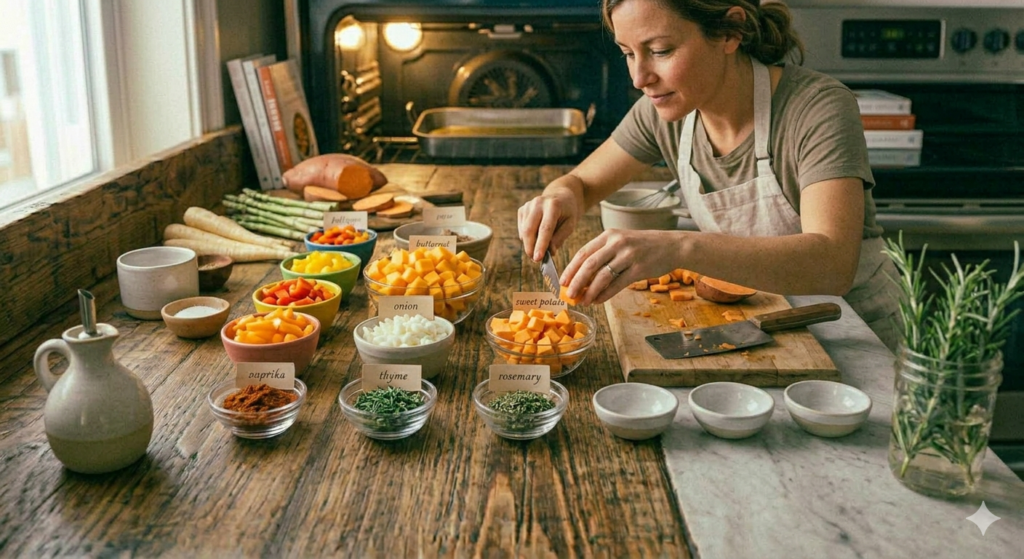
Practical Benefits of Mise en Place
Once you start using this method, you’ll notice immediate improvements:
✔️ Less Stress While Cooking
Everything is ready, so you don’t feel rushed.
✔️ Fewer Mistakes
You won’t forget ingredients or steps.
✔️ Better Time Management
Cooking becomes faster and more efficient.
✔️ Improved Food Quality
When you’re not distracted, you cook better.
This method also helps you control cooking timing more effectively. For example, understanding cooking temperature control becomes easier when you’re fully focused on the stove instead of multitasking.
Professional Techniques You Can Use at Home
In professional kitchens, mise en place is not optional—it’s required. Chefs prepare everything before they even turn on the stove.
Here are some techniques you can apply at home:
- Use small bowls for pre-measured ingredients
- Group ingredients by cooking stage
- Keep tools within reach
- Label ingredients if needed
If your preparation includes chopping vegetables or meat, having a sharp knife is essential. Learning proper knife sharpening techniques can make prep work faster and safer.
Common Challenges (And How to Overcome Them)
Many beginners feel that mise en place takes too much time—but that’s only true at the beginning.
Challenge 1: It Feels Slow
👉 Solution: Start with simple recipes and practice.
Challenge 2: Too Many Dishes
👉 Solution: Use fewer containers and clean as you go.
Challenge 3: Forgetting Steps
👉 Solution: Follow a checklist until it becomes a habit.
Over time, this process becomes automatic—and actually saves you time instead of wasting it.
How Mise en Place Improves Your Cooking Skills
Mise en place doesn’t just make cooking easier—it makes you a better cook.
You’ll start to:
- Understand timing better
- Avoid common mistakes
- Cook more confidently
- Stay organized
It also pairs perfectly with other cooking fundamentals. For example, when making dishes like pasta, preparing ingredients in advance allows you to focus on techniques like basic sauce making techniques instead of rushing.
Beyond Cooking: A Life Skill
Mise en place is more than just a kitchen technique—it’s a mindset.
The idea of preparing in advance and staying organized can be applied to:
- Work tasks
- Studying
- Daily routines
When you plan ahead, everything becomes easier and more efficient.
Conclusion
Mise en place is one of the most powerful habits you can develop in the kitchen. It turns cooking from a stressful activity into a smooth, enjoyable process.
You don’t need to be a professional chef to use this method. Start small, practice regularly, and you’ll quickly notice the difference.
Cooking becomes easier when everything is in its place—and that’s exactly what mise en place is all about.
Next Steps
To improve your cooking even further:
- Learn basic techniques
- Practice simple recipes
- Improve your knife skills
- Understand cooking temperatures
- Build consistent kitchen habits
The more you practice, the more natural everything will feel.