
How to Cook: The Complete Guide for Beginners (2026)

Getting Started in the Kitchen
When I first started cooking, I relied heavily on takeout because I thought cooking was complicated and time-consuming. But once I learned a few simple basics, everything changed. Cooking became easier, more affordable, and, honestly, much more enjoyable.
If you’re just starting out, this guide will walk you through the essential skills, tools, and habits you need to become confident in the kitchen. You don’t need to be perfect—you just need to start.
If some recipe instructions ever feel confusing, it usually comes down to vocabulary—so it helps to understand a few essential cooking terms before you begin.
What Every Beginner Should Know Before Cooking
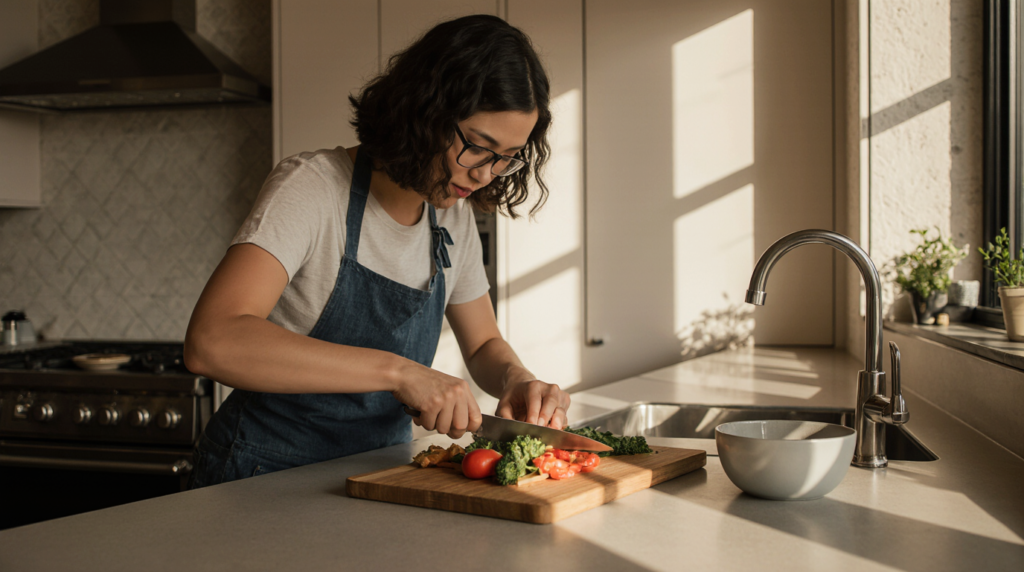
Before you even pick up a knife, it’s important to understand one thing: cooking is a skill, not a talent. Everyone starts at the same place—confused, slow, and unsure.
Here are a few truths that will help you:
- You will make mistakes (that’s normal)
- Simple meals are better than complicated failures
- Practice matters more than perfection
Cooking is like learning anything else—the more you do it, the more natural it becomes. Start with simple meals and repeat them until you feel comfortable.
💡 Tip: Focus on consistency, not perfection. Cooking a few times a week will build confidence much faster than just reading recipes.
Essential Kitchen Equipment (What You Actually Need)
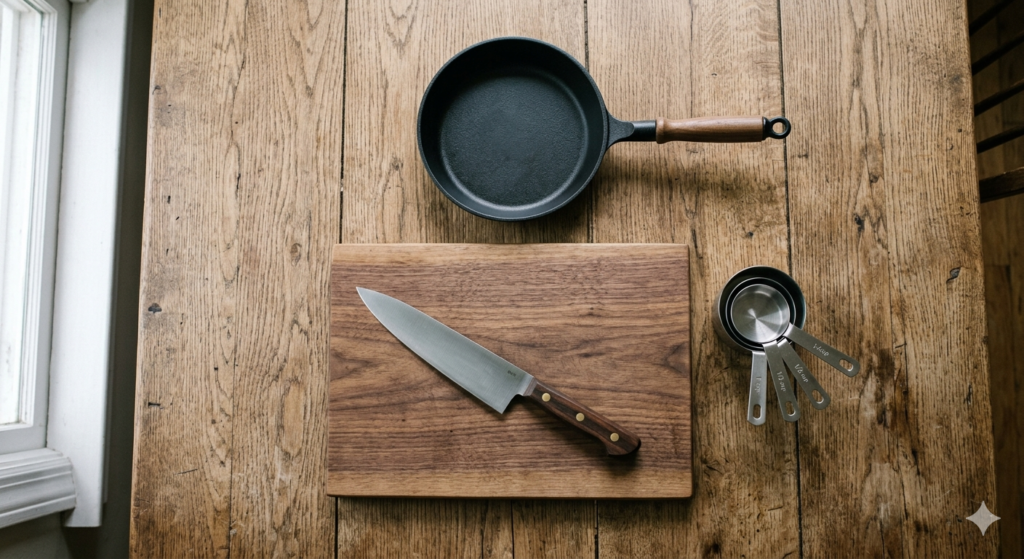
You don’t need a fancy kitchen to cook great meals. Most beginners waste money on tools they rarely use—keep it simple.
Must-Have Tools:
- A sharp chef’s knife
- Cutting board
- Large skillet or frying pan
- Medium-sized pot
- Measuring cups and spoons
- Mixing bowls
- Basic utensils (spatula, wooden spoon, tongs)
💡 Tip: A sharp knife will make cooking easier and safer than any other tool.
Basic Cooking Terms You Should Know
Before diving into recipes, familiarize yourself with these common cooking terms:
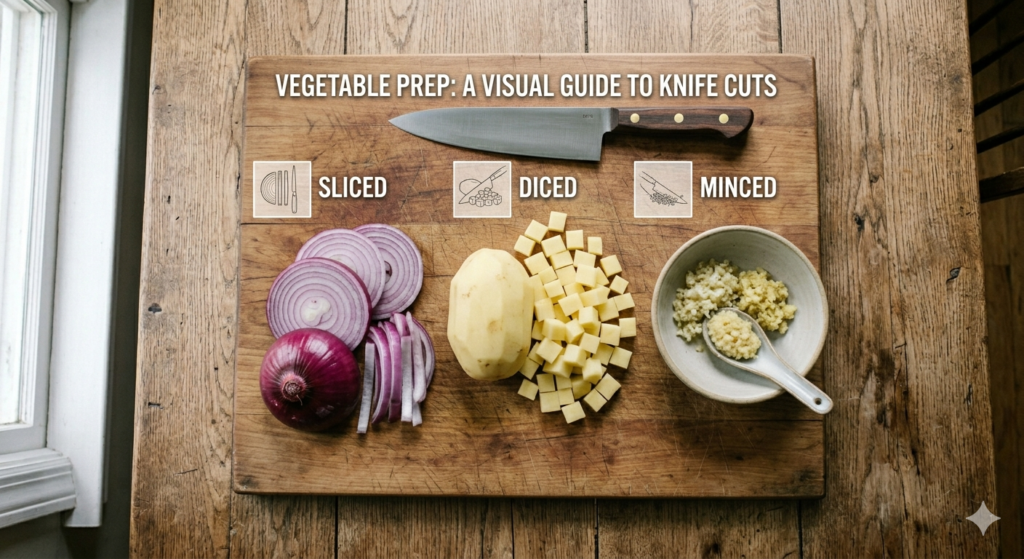
- Slice – thin, even pieces
- Dice – small cubes
- Mince – very fine pieces
- Sauté – cook quickly in oil
- Simmer – gentle bubbling
- Boil – rapid bubbling
If you ever feel stuck while cooking, it’s often because a term isn’t clear. Taking time to understand cooking terminology will make every recipe easier and less intimidating.
💡 Tip: Most cooking confusion comes from not understanding these words.
Kitchen Safety Fundamentals
Good habits prevent mistakes and accidents.
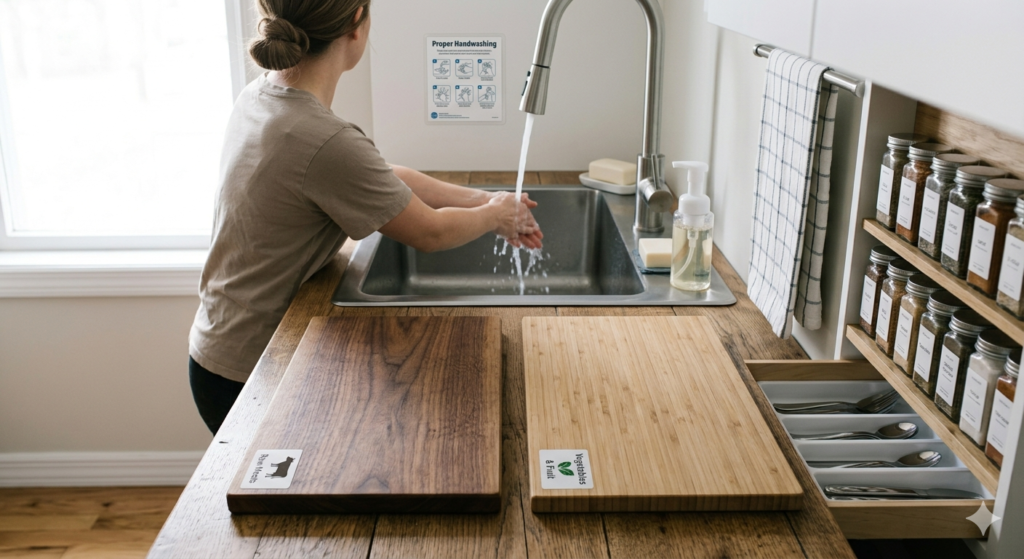
- Keep your workspace clean
- Wash your hands frequently
- Use separate boards for meat and vegetables
- Turn pot handles inward
- Never leave cooking unattended
Food safety is just as important as cooking itself. Learning proper food storage and handling practices will protect you and improve your meals.
💡 Real tip: Most kitchen accidents happen when you’re distracted—stay present.
Basic Cooking Methods Every Beginner Should Learn
Sautéing (Your Go-To Skill)
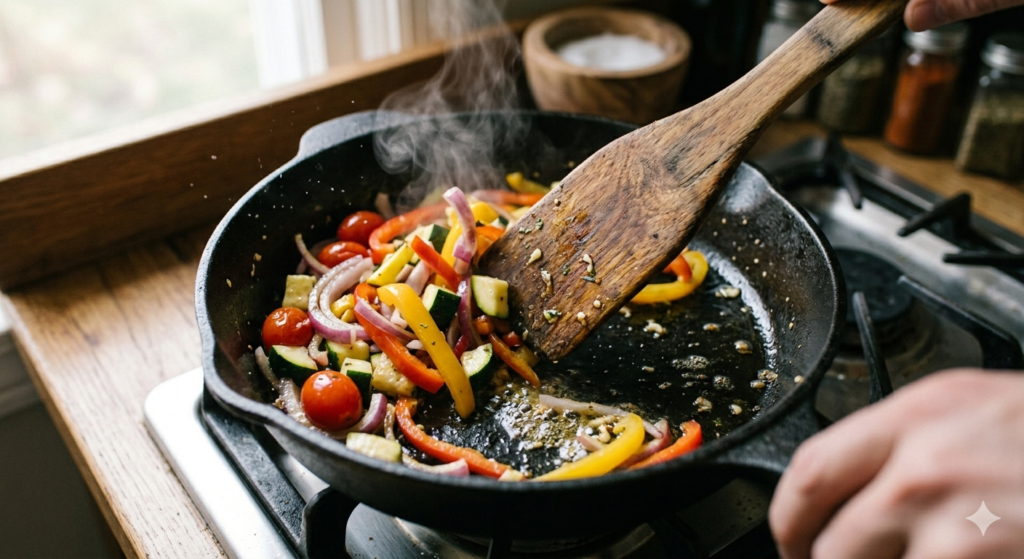
Sautéing is one of the most useful techniques for beginners. It’s quick, simple, and works for vegetables, eggs, and small cuts of meat.
Steps:
- Heat pan over medium-high heat
- Add oil
- Wait until the oil shimmers
- Add food and stir
💡 Mistake to avoid: Adding food too early = soggy results.
Learning how heat works in cooking is extremely important. Once you understand cooking temperature control, your food will cook more evenly and taste better.
Boiling (Simple but Essential)
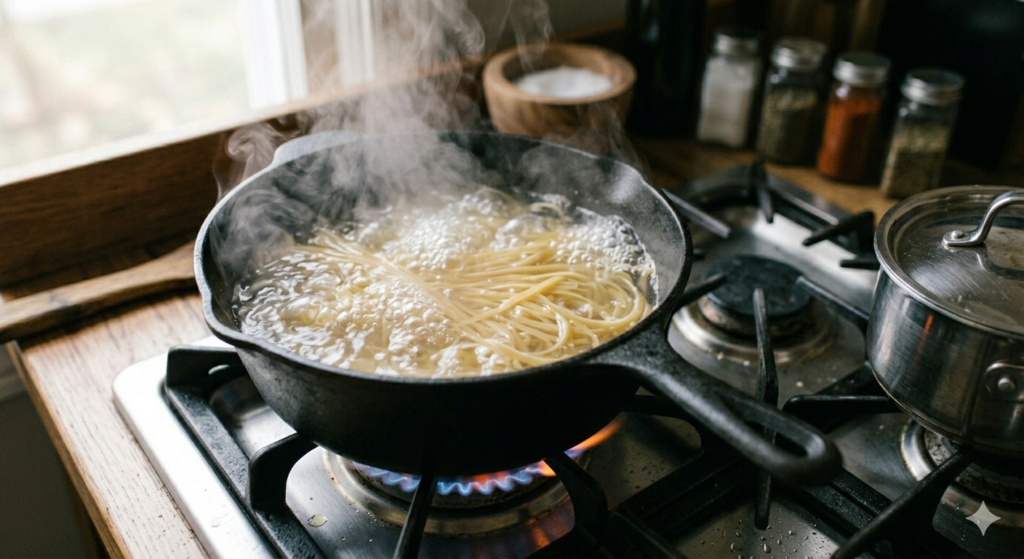
Used for pasta, rice, and vegetables.
Steps:
- Fill the pot with water
- Bring to a boil
- Add salt
- Add ingredients
💡 Tip: Salt your water—it makes a big difference in flavor.
It’s also helpful to understand the difference between boiling and simmering temperatures—this small detail can affect how your food turns out.
Oven Cooking Basics
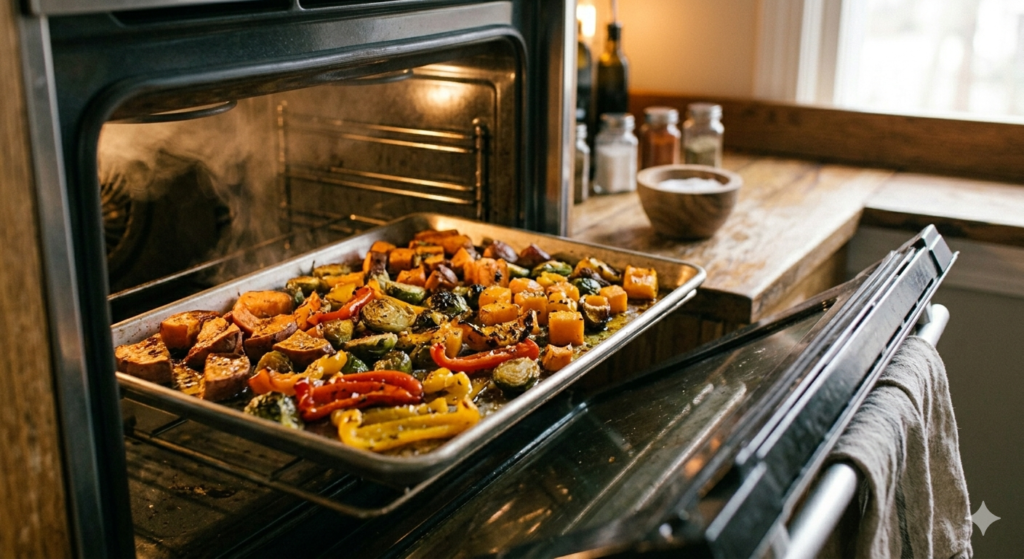
The oven is essential for baking and roasting:
- Always preheat before cooking
- Use the middle rack unless specified otherwise
- Check food halfway through cooking time
- Use oven mitts or potholders
💡 Mistake: Skipping preheating can ruin your dish.
Roasting (Beginner-Friendly Method)
Roasting is one of the easiest ways to make flavorful meals.
- Use high heat (around 180–220°C)
- Add oil and seasoning
- Spread food evenly
💡 Tip: Don’t overcrowd the tray—this helps food crisp instead of steam.
Essential Cooking Skills
Knife Skills
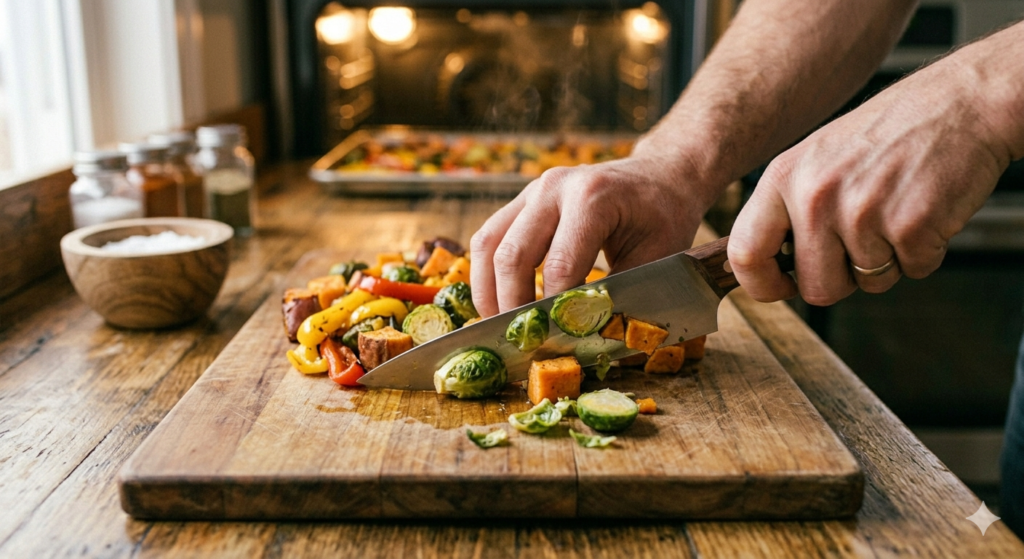
Good knife skills make cooking faster, easier, and safer.
- Curl your fingers inward
- Use a rocking motion
- Keep your knife sharp
If your knife isn’t performing well, it’s worth learning how to sharpen kitchen knives properly—it’s one of the most underrated skills for beginners.
💡 Tip: Focus on control, not speed.
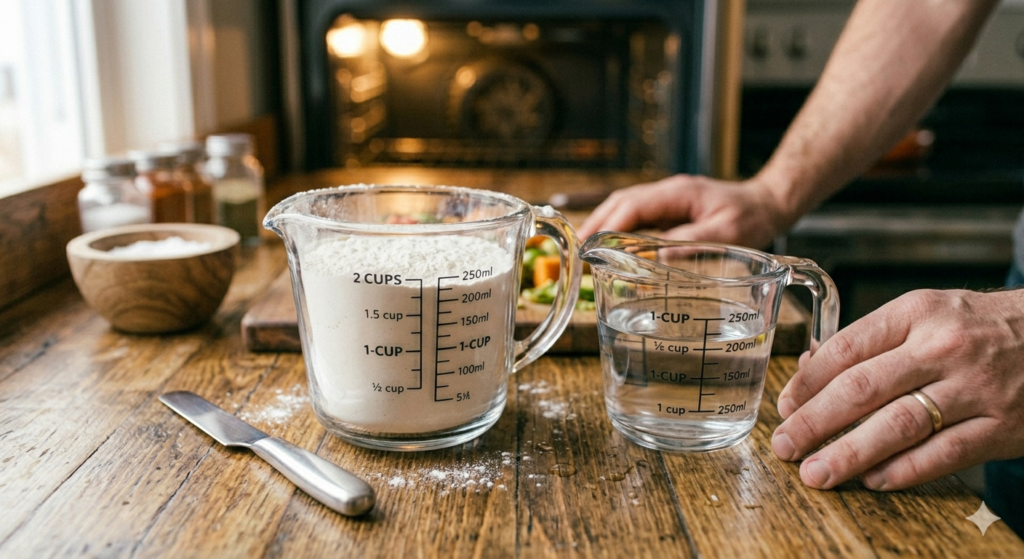
Measuring Ingredients
Accurate measurement is especially important in baking.
- Use dry cups for dry ingredients
- Use liquid cups for liquids
- Level off ingredients
- Follow measurements carefully
If you’re unsure about measuring correctly, learning how to measure ingredients accurately can prevent many common cooking mistakes
💡 Tip: Small measurement errors can change the final result.
Basic Pantry Items Every Beginner Should Have
Having a well-stocked kitchen makes cooking easier and faster.
- Rice and pasta
- Cooking oil
- Salt and spices
- Eggs
- Onions and garlic
- Canned ingredients
With these basics, you can create simple meals anytime without needing frequent grocery trips.
💡 Tip: A good pantry reduces stress and saves time.
Simple Recipes to Start With
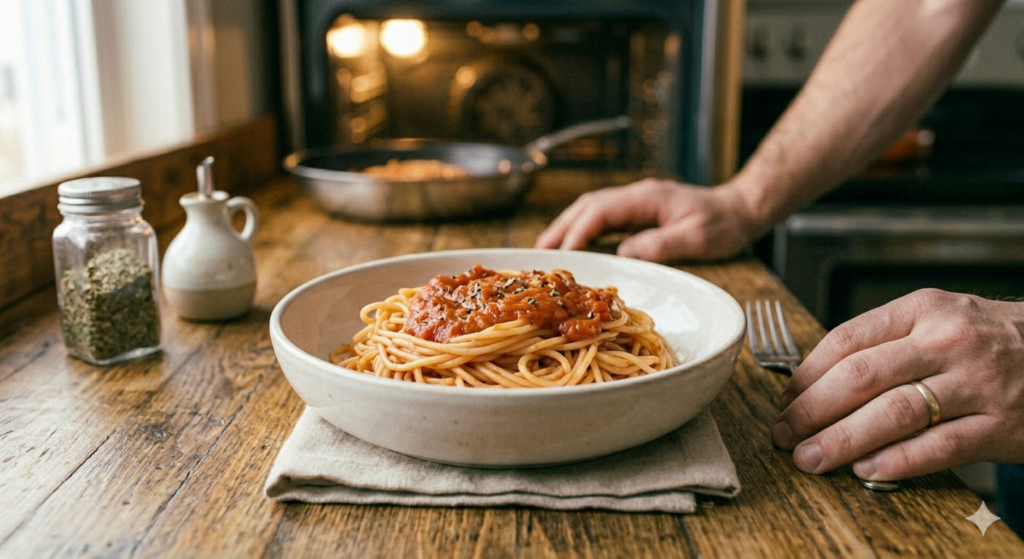
Easy Pasta
- Boil water
- Add salt
- Cook pasta
- Heat sauce
- Combine
If you want to improve your meals, learning basic sauce-making techniques can take even simple dishes to the next level.
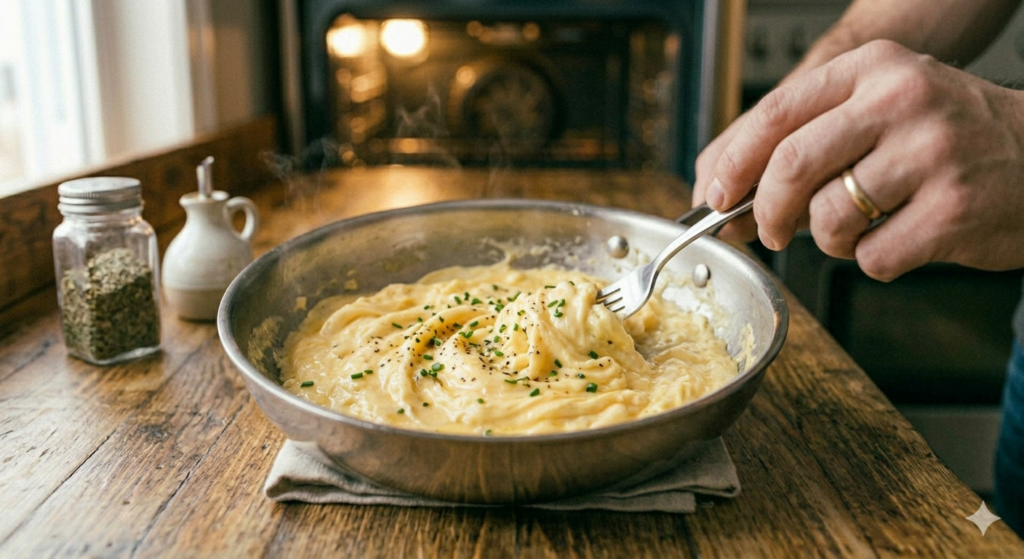
Easy Scrambled Eggs
- Crack eggs into a bowl and whisk
- Heat the pan over medium heat
- Add butter or oil
- Pour in eggs, stir gently until set
- Season with salt and pepper
💡 Tip: Low heat creates soft, creamy eggs.
Understanding Seasonings
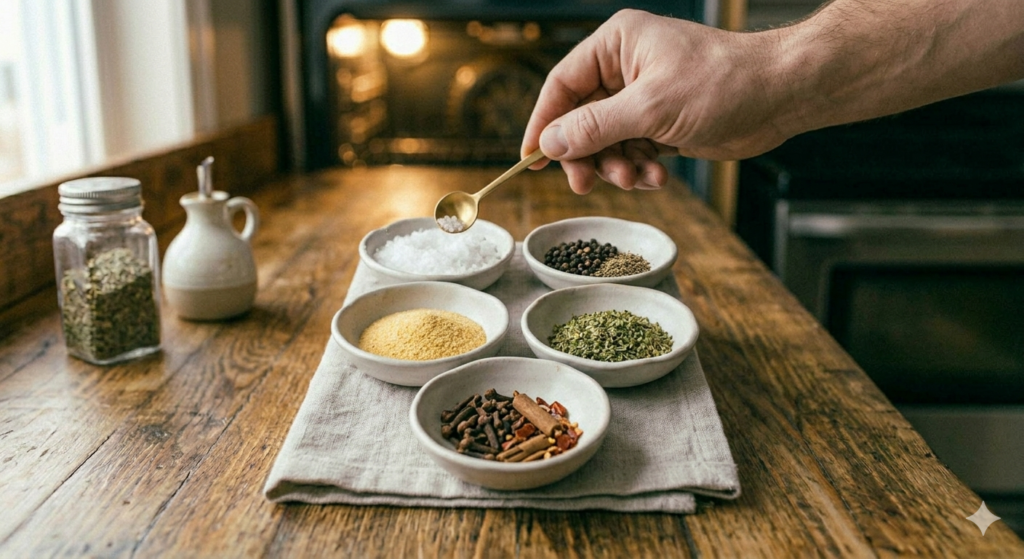
Seasoning is what makes food taste good.
- Salt enhances flavor
- Pepper adds mild heat
- Garlic powder adds depth
- Herbs add aroma
💡 Tip: Always add seasoning gradually—you can adjust as you go.
As you improve, you’ll start understanding how flavors work together, especially when making sauces or more complex dishes (like these basic sauce techniques)
Meal Planning for Beginners
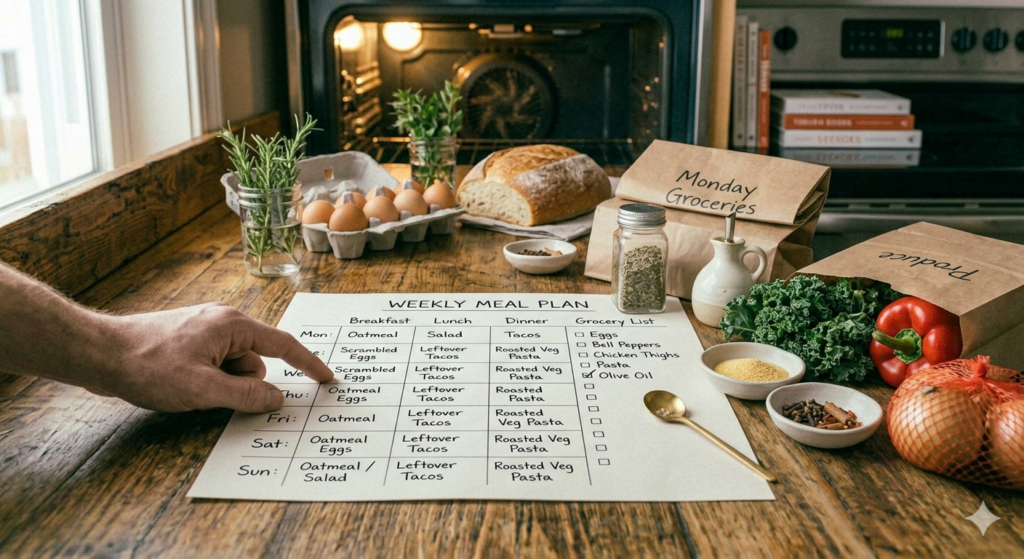
Meal planning helps you stay consistent.
- Plan meals for the week
- Prepare ingredients ahead
- Keep your kitchen organized
- Clean as you go
A simple system like mise en place (preparing ingredients before cooking) can make the entire process smoother and less stressful.
Common Cooking Mistakes to Avoid
Learn from these typical beginner errors:
- Not reading the recipe completely before starting
- Cooking on heat that’s too high
- Not preheating the pan or oven
- Overcrowding the pan
- Using dull knives
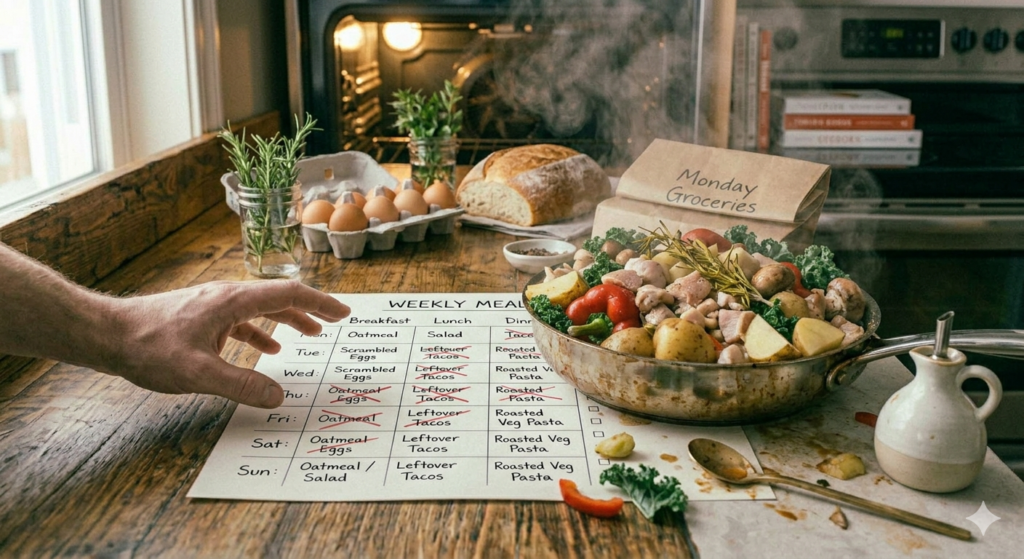
Each of these mistakes affects your final result. For example, heat control plays a huge role in cooking—too high and food burns, too low and it doesn’t cook properly.
💡 Truth: Mistakes are part of learning—every cook goes through this stage.
Building Confidence in the Kitchen
Remember these key points as you learn:
- Start small
- Practice regularly
- Taste as you cook
- Learn from mistakes
- Try new things
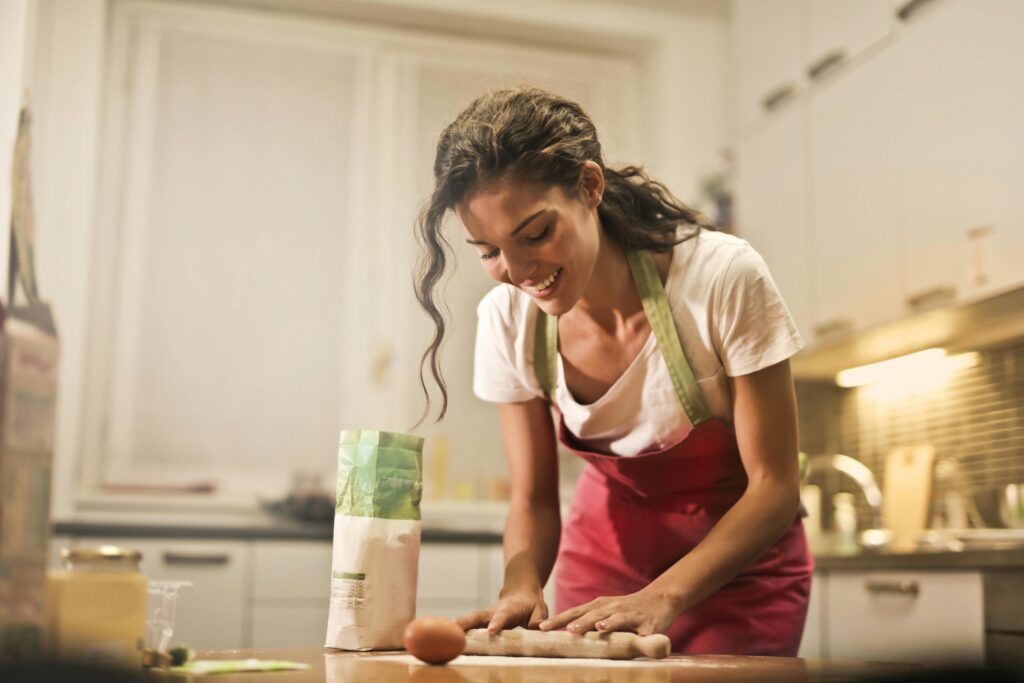
Confidence comes from experience. The more you cook, the more natural everything feels.
💡 Important: You don’t need to be perfect—you just need to keep going.
Conclusion
Cooking is a skill anyone can learn. You don’t need expensive tools or complicated recipes—just patience, practice, and the willingness to improve.
Start simple, stay consistent, and enjoy the process. Over time, you’ll build confidence and create meals you’re proud of.
Next Steps
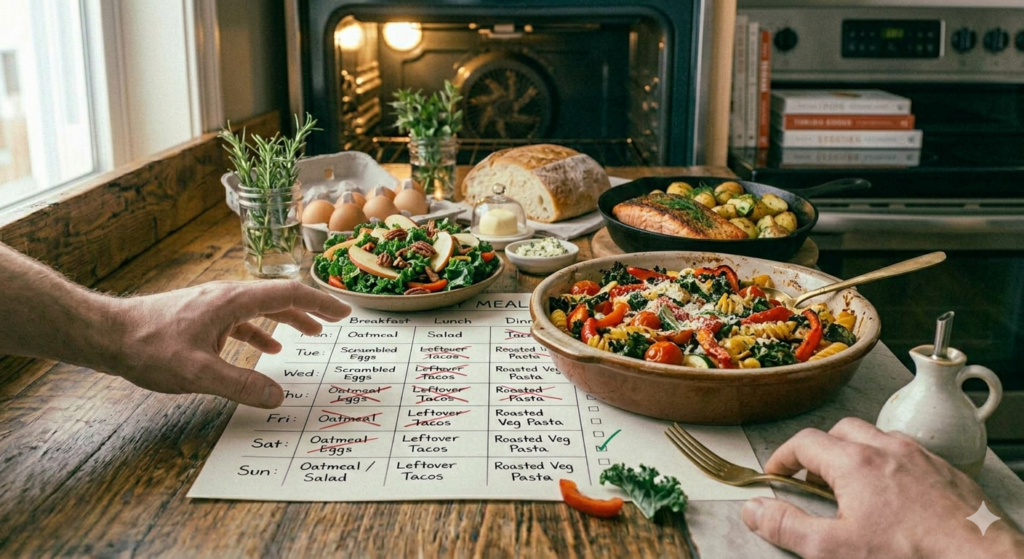
Once you’re comfortable:
- Try new ingredients
- Explore different cuisines
- Learn advanced techniques
- Build your own recipe collection
- Share meals with others
Cooking is a journey—and every meal you make is progress.