
18 Quick & Easy Pesto Recipes: Fresh & Versatile

Introduction
Few preparations in the entire culinary world deliver as much flavor, as much versatility, and as much instant, effortless transformation to any dish as a great pesto. In the time it takes to boil a pot of pasta, a great pesto can be made from scratch — a vibrant, fragrant, deeply flavorful sauce that elevates everything it touches, from a simple bowl of spaghetti to a grilled chicken breast, a flatbread pizza, a roasted vegetable bowl, or a humble sandwich.
The word pesto comes from the Italian pestare — to pound or crush — a reference to the traditional preparation method using a marble mortar and wooden pestle, in which garlic and coarse salt are pounded into a paste, followed by pine nuts, then fresh basil, then Parmesan, with olive oil drizzled in gradually to create a sauce of remarkable cohesion and depth. This ancient technique, originating in Genoa in the Ligurian region of northern Italy, has been practiced for centuries and produced the classic Pesto alla Genovese that remains the gold standard of the form.
But the story of pesto does not end with basil and pine nuts. The pesto concept — fresh or semi-fresh ingredients pounded or blended with oil, nuts, and a hard cheese — is one of the most adaptable culinary frameworks imaginable. Swap the basil for spinach, rocket, kale, sun-dried tomatoes, roasted red peppers, or fresh mint. Replace the pine nuts with walnuts, almonds, cashews, pistachios, or sunflower seeds. Use Pecorino instead of Parmesan. Add lemon zest, chili flakes, or preserved lemon. The framework remains; the flavors travel everywhere.
In this guide, we have compiled 18 of the most delicious, most creative, and most practically useful pesto recipes — spanning the timeless Italian classics, inventive vegetable-based pestos, bold international-inspired variations, and clever preparations that prove the pesto concept is as versatile as cooking itself. Every recipe includes both the pesto formula and the best ways to use it.
Let’s get blending.
The Art and Science of Great Pesto

The Two Methods: Mortar vs Food Processor
The mortar and pestle: The traditional and technically superior method. Pounding rather than cutting releases the cell walls of the basil and nuts differently than blade-cutting, producing a sauce with a more cohesive, emulsified texture and a more complex, rounded flavor. The friction of pounding also releases aromatic compounds that blending can volatilize. If you have a large marble mortar and 10 minutes of patience, this method produces the finest pesto.
The food processor: The practical modern method. Produces excellent pesto quickly and consistently. The key is to pulse rather than blend continuously — short pulses preserve texture and prevent the heat generated by continuous blending from oxidizing the basil and darkening its color. Process until roughly textured rather than completely smooth — pesto should retain character, not become a uniform purée.
The Olive Oil: Quality is Non-Negotiable
In a pesto, the olive oil is not background — it is one of the most prominent flavors in the finished sauce. A bitter, harsh, or poorly made olive oil produces a bitter, harsh pesto. Use the best quality extra virgin olive oil you can afford. Cold-pressed, single-origin oils with fruity, grassy, or peppery character produce pestos of extraordinary flavor; generic blended oils produce flat, forgettable ones.
The Cheese: Parmesan vs Pecorino vs Both
Classic Pesto alla Genovese uses Parmigiano-Reggiano alone, or sometimes a combination of Parmigiano and Pecorino Romano. Parmesan provides aged, nutty, umami-rich depth. Pecorino adds a sharper, saltier, slightly tangier note. Many Ligurian recipes use both. For most of the recipes in this collection, good-quality Parmesan alone produces excellent results — Pecorino can be substituted or combined for a sharper flavor profile.
Preventing Oxidation (Keeping Pesto Green)
Basil pesto oxidizes and darkens rapidly after preparation. Three techniques preserve the vibrant green color: blanch the basil leaves for 10 seconds in boiling water and plunge into ice water before using (this deactivates the enzymes responsible for browning); add a squeeze of lemon juice (the acidity slows oxidation); press plastic wrap directly onto the surface of the finished pesto before refrigerating (this minimizes air contact).
Accurate measurement of garlic and salt is important in pesto — these are powerful ingredients that can easily dominate. Our Complete Guide to Measuring Ingredients Accurately ensures consistently balanced results.
How to Use Pesto: A Quick Reference
Before diving into the recipes, understanding the range of pesto applications ensures every batch you make is used to maximum effect:
Pasta: Toss with freshly cooked pasta, reserving a cup of pasta water to emulsify the sauce. Never heat pesto in a pan — this destroys its fresh flavor.
Sandwiches and wraps: Spread in place of butter or mayonnaise for an instant flavor upgrade.
Pizza and flatbread: Use as the base sauce instead of tomato for a white, herb-bright pizza.
Grilled protein: Spoon over grilled chicken, fish, or lamb as a finishing sauce.
Soups: Stir a tablespoon into minestrone or vegetable soup just before serving.
Roasted vegetables: Toss roasted vegetables in pesto while still warm.
Salad dressing: Thin with a little extra oil and lemon juice for a vibrant green dressing.
18 Quick & Easy Pesto Recipes
Classic Italian Pestos
1. Classic Basil Pesto (Pesto alla Genovese)

Prep time: 10 minutes | Makes: approximately 200ml
The classic Pesto alla Genovese is the benchmark against which all others are measured — fragrant fresh basil, toasted pine nuts, aged Parmesan, good garlic, and the finest olive oil, pounded or pulsed to a vibrant, cohesive sauce of extraordinary flavor. This is the recipe to master before all others.
Key ingredients: Fresh basil leaves (60g, packed — stems removed), pine nuts (30g, lightly toasted), Parmesan (40g, finely grated), garlic (1 large clove), extra virgin olive oil (80–100ml — best quality), sea salt, cracked black pepper, a squeeze of fresh lemon juice
Method: Toast pine nuts in a dry pan over medium heat until lightly golden — watch carefully, they burn quickly. Cool completely. In a food processor, pulse garlic and a pinch of salt to a rough paste. Add pine nuts and pulse until roughly ground. Add basil and pulse 6–8 times until incorporated but not smooth. Add Parmesan and pulse briefly. With the processor running slowly, drizzle in olive oil until the pesto reaches a cohesive, slightly textured consistency. Taste and adjust salt, pepper, and lemon.
What makes it special: The lightly toasted pine nuts produce a more complex, nutty flavor than raw ones — toasting takes 3 minutes and is worth every second of the additional effort.
Storage: Pour into a jar, top with a thin layer of olive oil (this prevents oxidation), and refrigerate for up to 5 days. Freeze in ice cube trays for up to 3 months.
Best uses: Classic pasta (linguine, trofie, spaghetti), spread on bruschetta, stirred into minestrone, spooned over grilled chicken.
2. Sun-Dried Tomato Pesto (Pesto Rosso)

Prep time: 10 minutes | Makes: approximately 250ml
Sun-dried tomato pesto — Pesto Rosso — is the bolder, more assertive sibling of the classic green pesto, with a deep, concentrated, sweet-savory tomato flavor that has enormous versatility. It is one of the most useful sauces a home cook can keep in the refrigerator.
Key ingredients: Sun-dried tomatoes in oil (150g, drained — reserve the oil), blanched almonds or pine nuts (30g, toasted), Parmesan (30g, grated), garlic (1 clove), fresh basil (small handful), extra virgin olive oil and reserved sun-dried tomato oil (combined), red chili flakes (a pinch), sea salt, black pepper
Method: Combine all ingredients in a food processor. Pulse until a roughly textured paste forms. Add olive oil gradually until the consistency is smooth enough to spread but retains character. Taste — adjust salt, heat, and acidity with a squeeze of lemon if needed.
What makes it special: Using the oil from the sun-dried tomato jar — deeply flavored with concentrated tomato sweetness — as part of the pesto’s oil base creates a depth and intensity that fresh olive oil alone cannot replicate.
Best uses: Pasta (with mozzarella and fresh basil), pizza base, spread on flatbread, with grilled chicken, in sandwiches.
3. Walnut and Sage Pesto

Prep time: 10 minutes | Makes: approximately 200ml
Walnut and sage pesto is the autumn pesto — earthy, warm, slightly bitter, and deeply aromatic. It pairs magnificently with pumpkin pasta, roasted root vegetables, and lamb, making it one of the most seasonally relevant and genuinely distinctive pestos in the collection.
Key ingredients: Walnuts (60g, toasted), fresh sage leaves (15g), Parmesan (40g, grated), garlic (1 clove), extra virgin olive oil (80ml), fresh lemon juice, sea salt, cracked black pepper
Method: Toast walnuts in a dry pan until golden and fragrant. Fry a few sage leaves in a little olive oil until crispy — reserve for garnish. Pulse remaining ingredients in a food processor until a textured paste forms, drizzling in olive oil to reach the desired consistency.
What makes it special: Walnuts have a slight astringency that counterbalances the richness of the oil and cheese, creating a pesto that is bold without being heavy — a quality that makes it especially well-suited to rich, starchy preparations like pumpkin gnocchi.
Best uses: Pumpkin or squash pasta, gnocchi, roasted root vegetables, grilled lamb, and bruschetta with ricotta.
4. Pistachio Pesto

Prep time: 10 minutes | Makes: approximately 200ml
Pistachio pesto is the Sicilian variation — the island’s abundant pistachio harvest produces a nut of extraordinary richness and distinctive sweet-savory character that makes a pesto unlike any other. Brilliant green and deeply nutty, it is one of the most beautiful and most interesting pestos in existence.
Key ingredients: Unsalted pistachios (60g, shelled — vibrant green, not roasted to a darker color), fresh basil (20g), Parmesan or Pecorino (30g, grated), garlic (½ clove — pistachios are assertive, use less garlic), extra virgin olive oil (80ml), fresh lemon juice and zest, sea salt
Method: Pulse pistachios in a food processor until roughly ground. Add basil, cheese, garlic, lemon zest, and salt. Pulse until combined. Stream in olive oil. The pesto should be relatively loose — pistachio pesto works best as a slightly flowing sauce rather than a thick paste.
What makes it special: The lemon zest — not just juice — is essential in pistachio pesto. The essential oils in the zest cut through the richness of the pistachios and create a brightness that makes the pesto vivid rather than heavy.
Best uses: Pasta (particularly busiate or spaghetti), bruschetta with fresh ricotta, grilled fish, prawns, and on pizza with burrata.
5. Rocket (Arugula) and Almond Pesto

Prep time: 8 minutes | Makes: approximately 200ml
Rocket pesto has a distinctive peppery, slightly bitter bite that classic basil pesto does not — making it the more assertive, more grown-up pesto for those who want their sauce to have genuine character. The almonds provide a gentler, creamier base than pine nuts.
Key ingredients: Fresh rocket (60g), blanched almonds (40g, toasted), Parmesan (35g, grated), garlic (1 clove), extra virgin olive oil (80ml), fresh lemon juice, sea salt, cracked black pepper
Method: Pulse almonds and garlic in a food processor. Add rocket, cheese, lemon juice, and salt. Pulse until combined. Stream in olive oil. This pesto benefits from generous lemon juice — its acidity tempers the rocket’s bitterness beautifully.
What makes it special: Rocket’s peppery, slightly bitter character makes this pesto an excellent counterpoint to rich, creamy, or sweet elements — it provides a sharpness that keeps dishes feeling fresh and alive rather than heavy.
Best uses: Pasta with burrata and cherry tomatoes, spread on steak or lamb, on flatbread with roasted tomatoes and fresh mozzarella, tossed with warm roasted potatoes.
Vegetable-Based Pestos
6. Spinach and Lemon Pesto

Prep time: 8 minutes | Makes: approximately 200ml
Spinach pesto is the most mildly flavored and most versatile green pesto — its neutral, slightly earthy base absorbs lemon, garlic, and Parmesan beautifully, creating a bright, fresh sauce that works with virtually every application.
Key ingredients: Baby spinach (80g), pine nuts or cashews (30g, toasted), Parmesan (35g, grated), garlic (1 clove), fresh lemon juice and zest (generous — the lemon is the defining flavor), extra virgin olive oil (80ml), sea salt, cracked black pepper
What makes it special: Spinach pesto holds its bright green color for significantly longer than basil pesto — spinach contains less chlorophyll that oxidizes quickly, making this the practical choice for make-ahead preparations and batch cooking.
Best uses: Pasta, pizza base, chicken marinade, vegetable dip, stirred into risotto, spread on sandwiches.
7. Roasted Red Pepper Pesto

Prep time: 10 minutes (+ roasting time if roasting fresh peppers) | Makes: approximately 250ml
Roasted red pepper pesto is the sweet, slightly smoky alternative to tomato-based sauces — the natural sweetness and depth of roasted red peppers combined with walnuts and Parmesan creates a pesto of rich, round, crowd-pleasing flavor.
Key ingredients: Roasted red peppers (200g — jarred or freshly roasted and peeled), walnuts (30g, toasted), Parmesan (30g, grated), garlic (1 clove), fresh basil (small handful), extra virgin olive oil (60ml), red chili flakes, fresh lemon juice, sea salt
Method: Blend all ingredients until smooth — this pesto benefits from a more uniform texture than basil pesto. Adjust consistency with additional olive oil. Taste — the flavor should be sweet, slightly smoky, and savory simultaneously.
What makes it special: Roasting the peppers yourself (charring directly over a flame or under a broiler, then steaming in a covered bowl until the skins slip off) produces a significantly deeper, smokier flavor than jarred peppers — worth the extra 20 minutes when making this pesto for a special occasion.
Best uses: Pasta, pizza, spread on bruschetta with goat cheese, with grilled chicken or fish, in quesadillas, as a dipping sauce for vegetables.
8. Kale and Cashew Pesto

Prep time: 12 minutes | Makes: approximately 200ml
Kale and cashew pesto is the most nutritionally dense pesto in the collection — kale’s extraordinary range of vitamins and minerals combined with cashews’ creamy richness creates a sauce that is simultaneously one of the most nourishing and most practically versatile.
Key ingredients: Kale (80g, stems removed, briefly blanched for 30 seconds and patted dry — blanching removes bitterness), cashews (40g, toasted), Parmesan (30g, grated), garlic (1 clove), extra virgin olive oil (80ml), fresh lemon juice, nutritional yeast (1 tbsp, optional — adds extra umami depth), sea salt
Blanching the kale: Blanching is essential for kale pesto — raw kale is too tough and too bitter for an appealing pesto. 30 seconds in boiling water, immediately transferred to ice water, produces kale that is vibrant green, slightly softened, and significantly less bitter.
What makes it special: The cashews produce a creamier, softer pesto than pine nuts or walnuts — their lower bitterness and higher natural sweetness create a more approachable, more crowd-pleasing flavor profile that works particularly well for people who find traditional pesto too sharp.
Best uses: Pasta, grain bowls, as a dip with vegetables or flatbread, spread on wraps, stirred into soups.
9. Courgette (Zucchini) and Mint Pesto

Prep time: 12 minutes | Makes: approximately 300ml
Courgette and mint pesto is one of the most unexpected and most delicately flavored pestos in the collection — raw grated courgette blended with fresh mint, almonds, and lemon creates a sauce of extraordinary freshness and lightness that works beautifully in summer preparations.
Key ingredients: Courgette (1 medium, roughly grated and squeezed of excess moisture), fresh mint (20g), blanched almonds (30g, toasted), Parmesan (30g, grated), garlic (½ clove), extra virgin olive oil (60ml), fresh lemon juice and zest, sea salt, cracked black pepper
Squeezing the courgette: Grated courgette releases a significant amount of water — squeeze thoroughly in a clean kitchen cloth before blending. Failing to do this produces a watery, thin pesto that will not cling to pasta.
What makes it special: The fresh mint — used in generous quantity — is the defining flavor of this pesto, creating a brightness and freshness that lifts the mild courgette into something genuinely exciting and distinctly summery.
Best uses: Summer pasta, spread on flatbread with ricotta and cherry tomatoes, tossed with grilled vegetables, as a light dip.
10. Roasted Garlic and White Bean Pesto
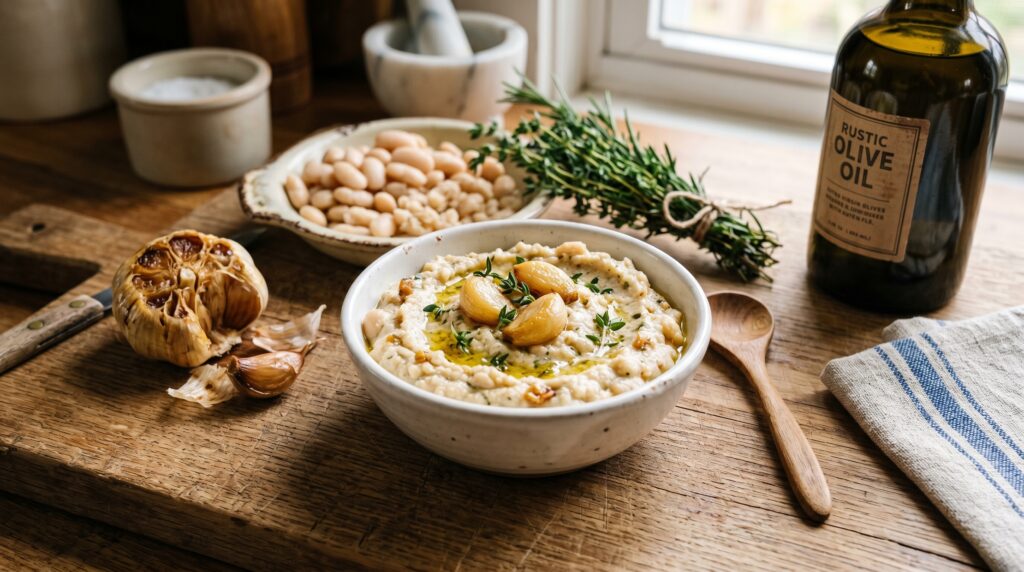
Prep time: 10 minutes (+ garlic roasting) | Makes: approximately 300ml
Roasted garlic and white bean pesto is the most substantial and most spreadable preparation in the collection — the combination of creamy white beans and sweet, caramelized roasted garlic creates a thick, rich dip-like pesto that works as a spread, a dip, and a sauce simultaneously.
Key ingredients: Roasted garlic (1 head — slice the top off, drizzle with olive oil, wrap in foil, and roast at 200°C for 35 minutes until sweet and caramelized, then squeeze the soft cloves out), canned cannellini beans (drained), fresh thyme, Parmesan (30g, grated), extra virgin olive oil (60ml), fresh lemon juice, sea salt, cracked black pepper
What makes it special: Roasting the garlic transforms it from pungent and sharp to sweet, caramelized, and deeply mellow — creating a pesto that even garlic-averse diners find completely approachable and genuinely delicious.
Best uses: Spread on toasted bread, as a vegetable dip, spread in wraps and sandwiches, tossed with pasta and wilted greens, as a pizza base.
International-Inspired Pestos
11. Thai Basil and Peanut Pesto

Prep time: 10 minutes | Makes: approximately 200ml
Thai basil and peanut pesto is the Southeast Asian reinvention of the pesto concept — fresh Thai basil, roasted peanuts, garlic, fresh ginger, lime, fish sauce, and sesame oil create a sauce of extraordinary depth and complexity that transforms any dish it touches.
Key ingredients: Fresh Thai basil (50g), roasted peanuts (50g, unsalted), garlic (2 cloves), fresh ginger (1cm piece), fresh red chili (1, seeds removed for less heat), sesame oil (2 tbsp), neutral oil (4 tbsp), fish sauce (1 tbsp), fresh lime juice and zest, a pinch of sugar
Method: Pulse peanuts and garlic until roughly ground. Add basil, ginger, chili, lime, fish sauce, and sugar. Pulse until combined. Stream in sesame and neutral oil. The pesto should have a loose, slightly chunky texture — not smooth.
What makes it special: Fish sauce — used in small quantities — adds an umami depth and salty complexity that no other seasoning can replicate. It does not make the pesto taste fishy; it makes it taste more intensely and satisfyingly savory.
Best uses: Noodles (rice noodles, soba), grain bowls, grilled chicken or shrimp, as a dipping sauce, with spring rolls, tossed with roasted vegetables.
12. Coriander and Cashew Pesto

Prep time: 8 minutes | Makes: approximately 200ml
Coriander and cashew pesto is one of the most universally applicable of all the pestos in this collection — the bright, citrusy, slightly soapy freshness of coriander (cilantro) combined with the creamy cashews and lime creates a sauce that works equally well in Mexican, Indian, Thai, and Mediterranean-inspired dishes.
Key ingredients: Fresh coriander, including tender stems (60g), cashews (40g, toasted), Parmesan or nutritional yeast (30g — nutritional yeast for a dairy-free version), garlic (1 clove), fresh ginger (small piece), fresh lime juice and zest, extra virgin olive oil or neutral oil (70ml), sea salt, optional: fresh jalapeño or green chili (a small amount)
What makes it special: Including the tender stems of the coriander along with the leaves produces a more intensely flavored pesto than leaves alone — the stems contain concentrated essential oils that add significant depth.
Best uses: Tacos, grain bowls, spread on naan or flatbread, stirred into soup, with grilled fish or chicken, as a dipping sauce.
13. Preserved Lemon and Green Olive Pesto

Prep time: 10 minutes | Makes: approximately 200ml
Preserved lemon and green olive pesto is the most sophisticated and most distinctively flavored preparation in the collection — the fermented, intensely citrusy preserved lemon and the briny, buttery green olives create a sauce of extraordinary complexity that requires no cooking and elevates every application immediately.
Key ingredients: Preserved lemon rind (from 1 large lemon — flesh discarded, rind rinsed), green olives (80g, pitted), fresh flat-leaf parsley (30g), blanched almonds (30g, toasted), garlic (½ clove — preserved lemon and olives are both assertive), extra virgin olive oil (60ml), fresh lemon juice (a small amount), cracked black pepper
What makes it special: Preserved lemon rind — fermented lemon with an intensely concentrated, slightly funky citrus character — provides a complexity that fresh lemon juice alone cannot approach. A small amount completely transforms the flavor profile of any pesto, sauce, or dressing.
Best uses: Grilled fish, lamb, chicken, tossed with roasted vegetables, stirred into couscous, spread on flatbread, with roasted cauliflower.
14. Avocado and Jalapeño Pesto

Prep time: 10 minutes | Makes: approximately 250ml
Avocado and jalapeño pesto is the most contemporary and most creative of the international pestos — the creamy richness of avocado replacing the olive oil as the primary fat source creates a pesto-guacamole hybrid of remarkable versatility and freshness.
Key ingredients: Ripe avocado (2, pitted and scooped), fresh jalapeño (1–2, seeds removed for moderate heat), fresh coriander (30g), garlic (1 clove), toasted pumpkin seeds (30g), fresh lime juice and zest (generous), extra virgin olive oil (30ml), sea salt
Method: Blend or pulse all ingredients until smooth and creamy. This pesto is thicker than oil-based versions — thin with a little water or extra olive oil to reach the desired consistency. Use immediately or press plastic wrap directly onto the surface to prevent browning.
What makes it special: The avocado creates a pesto of extraordinary creaminess and healthy fat content — the monounsaturated fats of the avocado, combined with the pumpkin seeds, create a nutritionally dense sauce that is genuinely nourishing.
Best uses: Pasta (particularly with cherry tomatoes and corn), tacos, grain bowls, as a dip or spread, with grilled fish or chicken.
Creative and Seasonal Pestos
15. Butternut Squash and Sage Pesto

Prep time: 10 minutes (+ roasting) | Makes: approximately 300ml
Butternut squash and sage pesto is the most seasonally specific preparation in the collection — the deep, naturally sweet roasted squash combined with the earthy, slightly bitter sage creates an autumn pesto of extraordinary warmth and richness.
Key ingredients: Roasted butternut squash (200g, flesh scooped from the skin), fresh sage (10g — some fried crispy for garnish, some blended into the pesto), pine nuts (30g, toasted), Parmesan (35g, grated), garlic (1 clove, roasted alongside the squash), extra virgin olive oil (60ml), fresh lemon juice, nutmeg (a pinch), sea salt
Roasting the squash: Halve the butternut squash, brush with olive oil, place the garlic clove on the cut surface, and roast at 200°C for 30–35 minutes until completely tender and slightly caramelized at the edges.
What makes it special: The roasted garlic cooked alongside the squash — its sweetness perfectly harmonizing with the squash’s natural sweetness — creates a pesto base of rounded, mellow flavor that raw garlic would make too sharp.
Best uses: Pasta (particularly with ricotta and walnuts), gnocchi, spread on bruschetta with goat cheese, with roasted chicken, as a pizza base with caramelized onion.
16. Fresh Pea and Mint Pesto

Prep time: 10 minutes | Makes: approximately 250ml
Fresh pea and mint pesto is the most vibrantly green, most resolutely springlike preparation in the collection — a sweet, fresh, slightly creamy sauce that brings the flavors of early spring into every application with extraordinary brightness and color.
Key ingredients: Fresh or frozen peas (200g, briefly blanched for 60 seconds), fresh mint (20g), Parmesan or ricotta (30g — ricotta creates a creamier, more delicate version), garlic (½ clove), extra virgin olive oil (50ml), fresh lemon juice and zest, sea salt, cracked black pepper
Method: Blanch peas for 60 seconds and transfer to ice water — this preserves their extraordinary vivid green color. Blend with all other ingredients until smooth. This pesto benefits from a smoother consistency than most — the pea purée creates a naturally creamy base.
What makes it special: The color — a green of absolute, saturated brilliance — is one of the most beautiful in all of cooking. Serve this pesto in a white bowl to allow its color maximum visual impact.
Best uses: Pasta (particularly with ricotta and cherry tomatoes), spread on bruschetta with burrata, with grilled lamb, spread on flatbread, as a spring vegetable dip.
17. Black Olive Tapenade Pesto
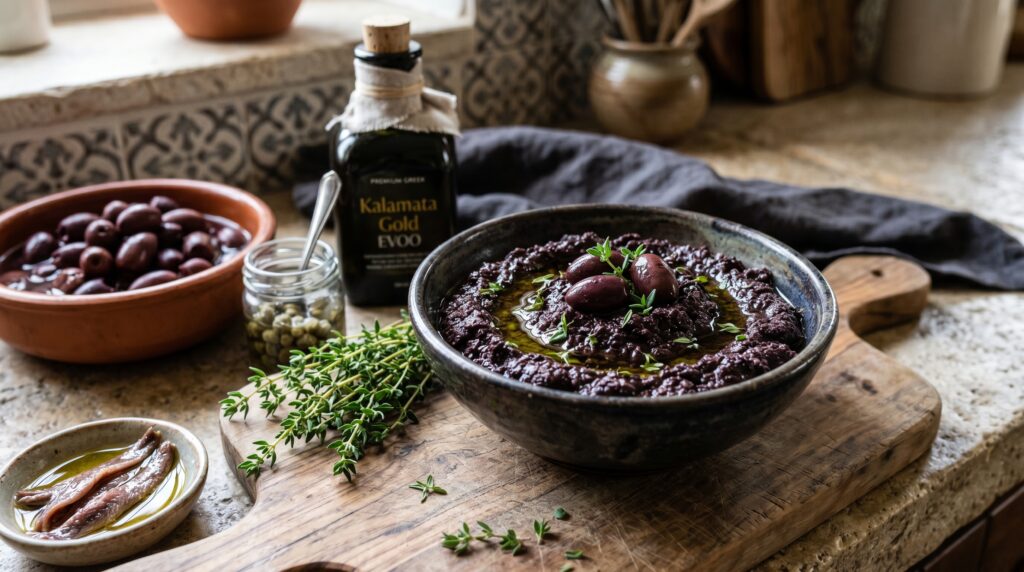
Prep time: 8 minutes | Makes: approximately 200ml
Black olive tapenade pesto — a hybrid between the Provençal tapenade and the Italian pesto — is the most intensely savory preparation in the collection. The combination of Kalamata olives, capers, and herbs creates a deeply flavored, salty, bold condiment of extraordinary versatility.
Key ingredients: Kalamata olives (150g, pitted), capers (2 tbsp), fresh flat-leaf parsley (20g), fresh thyme (5g), garlic (½ clove), extra virgin olive oil (60ml), fresh lemon juice, cracked black pepper
Method: Pulse all ingredients together until a rough, slightly textured paste forms. Tapenade pesto should retain character and texture rather than becoming smooth — some visible olive pieces should remain.
What makes it special: The capers add a distinctive, briny sharpness to the olive base that transforms the flavor from simple olive paste into something genuinely complex. Use good-quality capers in brine — they provide significantly more flavor than capers in vinegar.
Best uses: Spread on bruschetta with fresh tomato, with grilled fish or lamb, as a pizza base with goat cheese, stirred into pasta with sun-dried tomatoes, in sandwiches.
18. Beetroot and Walnut Pesto

Prep time: 10 minutes (+ roasting) | Makes: approximately 300ml
Beetroot and walnut pesto is the most visually dramatic preparation in the entire collection — the extraordinary deep magenta of roasted beetroot produces a sauce of breathtaking color that makes every plate it touches instantly spectacular. Beyond its visual impact, the sweet, earthy beetroot and the bitter, complex walnuts create a genuinely delicious flavor combination.
Key ingredients: Roasted beetroot (250g — wrapped in foil and roasted at 200°C for 45 minutes until tender, then peeled), walnuts (50g, toasted), Parmesan or goat cheese (30g — goat cheese creates a more complex, tangy version), garlic (1 clove), extra virgin olive oil (70ml), fresh lemon juice, fresh dill (small amount), sea salt, cracked black pepper
Method: Combine all ingredients in a food processor and blend until smooth — this pesto benefits from a smooth, uniform texture that showcases its extraordinary color. Adjust with additional olive oil for the desired consistency.
What makes it special: Goat cheese — used instead of or alongside Parmesan — adds a tangy, slightly grassy note that creates a genuinely interesting flavor dynamic with the sweet beetroot and bitter walnut. The combination is one of the most sophisticated in this entire collection.
Best uses: Pasta (with goat cheese and fresh dill), spread on crostini with whipped goat cheese, as a colorful pizza base, with grilled lamb, in grain bowls, as a visually spectacular dipping sauce for a dinner party.
Pesto Consistency Guide

| Consistency | Texture | How to Achieve | Best Application |
|---|---|---|---|
| Thick/spreadable | Minimal oil | Less oil, more solids | Bruschetta, sandwiches, dips |
| Classic pasta | Medium | Standard ratio | Pasta, pizza, grilled meat |
| Loose sauce | Flowing | Extra oil or pasta water | Drizzling, finishing sauce |
| Smooth dip | Creamy, uniform | More blending, added yogurt | Vegetable dip, spread |
| Dressing | Very thin | Oil + lemon juice + water | Salad dressing, grain bowls |
Storage and Make-Ahead Guide
Refrigerator: Store all pestos in a sealed jar with a thin layer of olive oil pressed onto the surface to prevent oxidation. Refrigerate for 5–7 days. Basil-based pestos darken more quickly than vegetable-based ones — this does not affect flavor.
Freezer: All pestos freeze excellently. Pour into ice cube trays, freeze until solid, then transfer to a freezer bag. Individual frozen cubes can be added directly to pasta, soups, and sauces from frozen. Freeze for up to 3 months.
Preventing browning: For green pestos, add a squeeze of lemon juice and press plastic wrap directly onto the surface before refrigerating.
For comprehensive guidance on safe food storage practices, our Food Safety 101: Storage, Handling, and Temperature Guide covers all relevant principles.
Frequently Asked Questions
Do I need a food processor to make pesto?
No, a mortar and pestle produces superior pesto, according to the judgment of many experts. A high-powered blender also works. Even a sharp knife and a wooden board can produce a rough, rustic pesto by finely chopping all ingredients and mixing with olive oil. The food processor is simply the most practical option for most home cooks.
Can I make pesto without cheese?
Yes — omit the Parmesan and increase the nuts slightly to compensate for the lost body. Add a tablespoon of nutritional yeast for umami depth. A squeeze of extra lemon juice compensates for the lost saltiness of the cheese.
Why does my basil pesto turn black?
Oxidation — the basil’s enzymes react with oxygen to produce dark, bitter-tasting compounds. Prevent this by: blanching the basil briefly before blending; adding lemon juice; pressing plastic wrap onto the pesto surface; using the pesto the same day it is made.
How much pesto do I need for pasta?
For two servings of pasta, approximately 4–5 tablespoons of pesto is the right quantity. Always think with a little reserved pasta cooking water — the starchy water helps the pesto emulsify and coat every strand of pasta evenly.
According to Academia Barilla, authentic Pesto alla Genovese uses basil grown specifically in the Ligurian coastal climate, where the combination of sea air, moderate temperatures, and particular soil conditions produces basil leaves of smaller size, more delicate texture, and more complex aroma than basil grown elsewhere — making the Ligurian original genuinely distinct from any other version.
Conclusion
From the timeless perfection of classic Pesto alla Genovese to the dramatic visual impact of beetroot and walnut, from the Southeast Asian excitement of Thai basil and peanut to the springtime brilliance of fresh pea and mint, from the autumnal richness of butternut squash and sage to the sophisticated depth of preserved lemon and green olive — these 18 quick and easy pesto recipes demonstrate the extraordinary creative range of one of the most versatile, most forgiving, and most rewarding sauce preparations in all of cooking.
What makes pesto so enduringly excellent is its combination of simplicity and impact — a handful of quality ingredients, 10 minutes of preparation, and a sauce that transforms everything it touches. Keep a jar in the refrigerator and a collection of frozen cubes in the freezer, and know that genuinely extraordinary flavor is always moments away.
For more sauce recipes, technique guides, and cooking inspiration across every cuisine and skill level, explore our full collection at skillsinthekitchen.com.