
20 Picky Eater Recipes: Delicious Meals Everyone Will Eat
Introduction
Every family has at least one. The child who inspects every meal with the suspicious intensity of a food safety inspector. The teenager who has declared war on anything green. The partner who insists they “don’t like” entire categories of food based on a single disappointing experience years ago. The dinner guest whose dietary restrictions appear to multiply with each invitation. The picky eater — in all their frustrating, endearing, deeply challenging variety — is one of the most universal experiences in domestic cooking.
Cooking for picky eaters requires a particular kind of culinary intelligence: the ability to create food that is genuinely delicious, nutritionally meaningful, and engaging enough to eat enthusiastically, while simultaneously avoiding the textures, visible vegetables, strong flavors, and unfamiliar ingredients that trigger refusal. It is, in many ways, the most demanding form of home cooking — requiring both creativity and strategic thinking in equal measure.
The strategies that work best are consistent and evidence-backed. Familiar flavors and formats win over adventurous ones — a well-made version of something the picky eater already likes is more likely to be eaten than a new preparation, however excellent. Hidden vegetables — blended into sauces, incorporated into fillings, embedded in batters — provide nutrition without confrontation. Foods with interactive or customizable elements (tacos, pizza, build-your-own bowls) give picky eaters a sense of control that makes them more likely to engage. And above all, genuinely good cooking — food that is properly seasoned, properly cooked, and genuinely delicious — wins over far more skeptics than any amount of cajoling or negotiation.
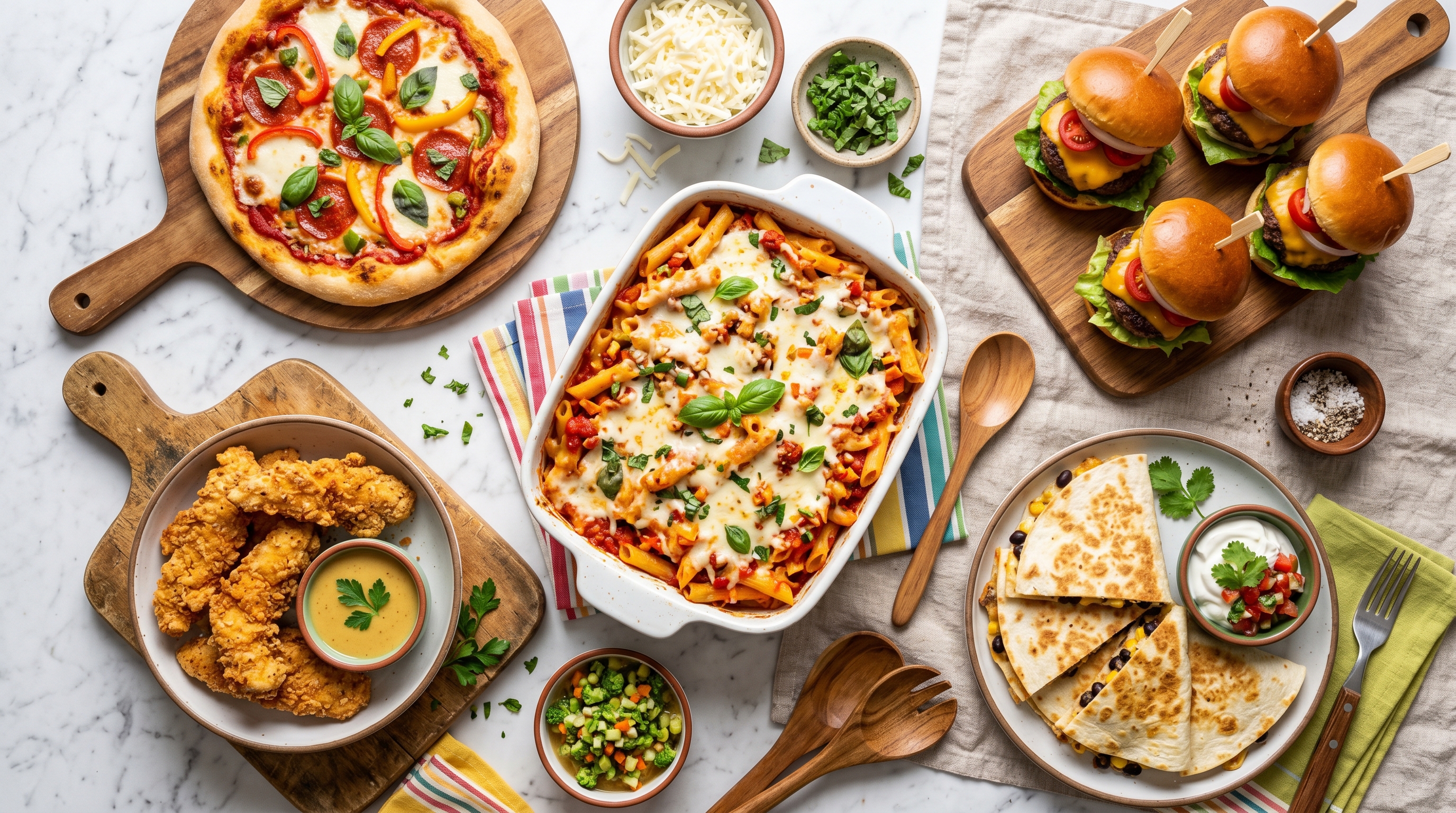
In this guide, we have compiled 20 of the most reliably successful, most genuinely delicious picky eater recipes — spanning crowd-pleasing classics, clever hidden-vegetable preparations, interactive formats, comforting pasta and rice dishes, and simple proteins that even the most reluctant eaters tend to accept. Every recipe is designed to satisfy adults who want a real meal and children who want something recognizable and enjoyable.
Let’s feed everyone.
The Picky Eater Strategy Guide
Strategy 1: The Hidden Vegetable Technique
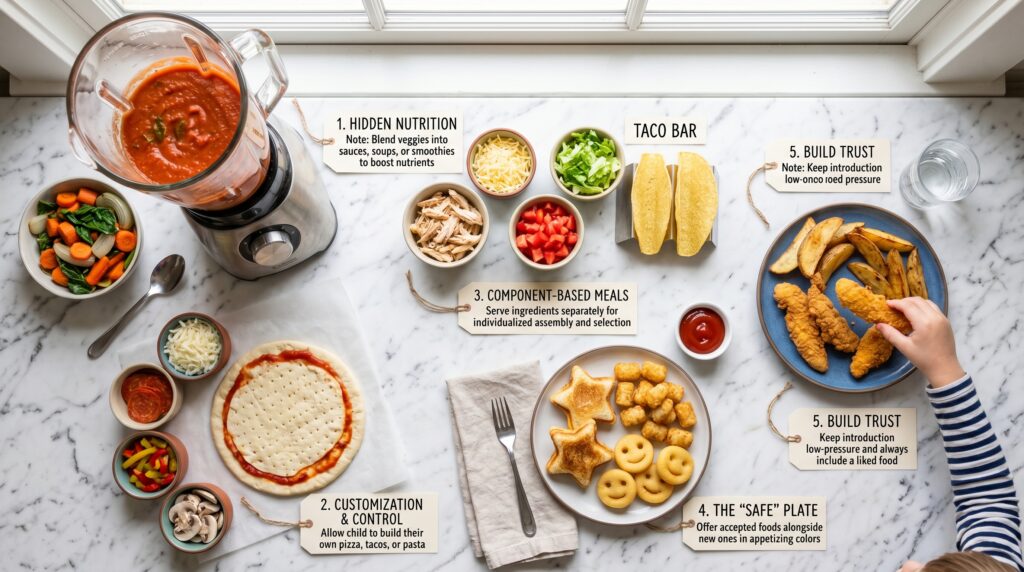
The most nutritionally effective strategy for picky eaters — blending, grating, or very finely dicing vegetables into sauces, fillings, and batters where they disappear completely into the flavors and textures of the surrounding food. Spinach blended into a green smoothie or pancake batter. Butternut squash puréed into a cheese sauce. Grated zucchini and carrot in meat patties. Cauliflower mashed into potato. The key is ensuring the hidden vegetable genuinely does not alter the appearance or texture in a way that triggers detection.
Strategy 2: Familiar Formats
Picky eaters respond better to familiar formats than familiar specific foods. A child who refuses roasted chicken may happily eat chicken in a taco, a slider, or a pasta. The format — the shell, the bun, the pasta shape — provides a comfort anchor that makes the filling feel safer. Use familiar formats as the delivery vehicle for gradually expanded flavors and ingredients.
Strategy 3: The Deconstructed Approach
Serving components separately rather than combined — the sauce on the side, the vegetables separate from the protein — gives picky eaters control over their plate without requiring the cook to produce an entirely different meal. A deconstructed taco bar or build-your-own pizza achieves this naturally.
Strategy 4: Color and Appearance
Picky eaters make food decisions primarily by appearance. Golden, crispy surfaces are almost universally appealing. Visible green ingredients are almost universally suspect. Sauces that cover unfamiliar textures help. Familiar shapes (nuggets, rounds, recognizable portions) win over unfamiliar ones.
Strategy 5: Genuinely Good Cooking
The most overlooked strategy of all — picky eaters are often reacting to genuinely poor cooking rather than genuine food aversion. Overcooked vegetables that are mushy and bitter. Underseasoned proteins that taste flat. Poorly executed versions of otherwise excellent dishes. The most reliable path to expanding a picky eater’s repertoire is demonstrating that the foods they claim to dislike — when cooked properly — are genuinely, undeniably delicious.
20 Picky Eater Recipes
Chicken Recipes Picky Eaters Love
1. Crispy Chicken Tenders
Prep time: 15 minutes | Cook time: 20 minutes | Serves: 4
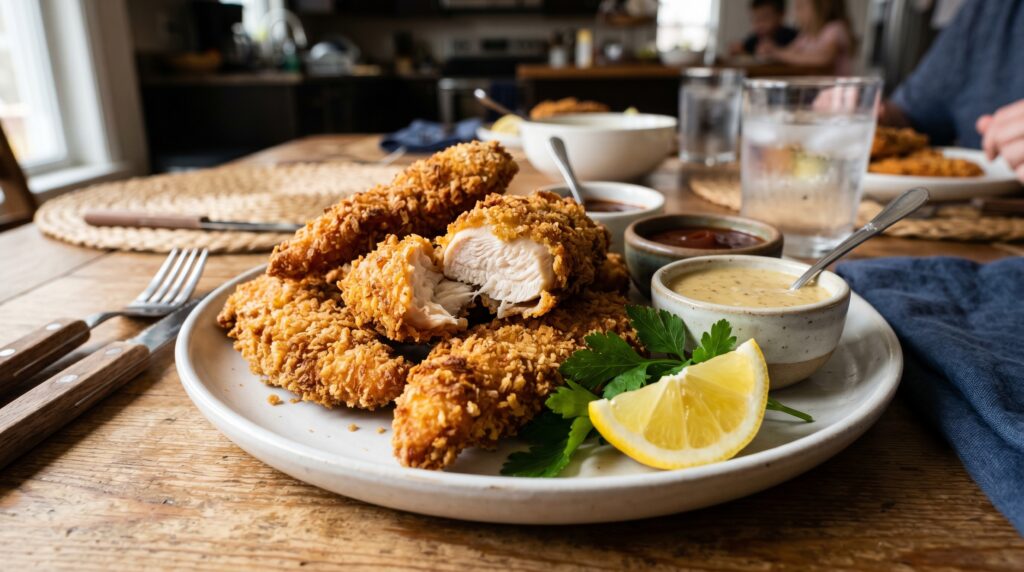
Crispy chicken tenders are the most universally accepted protein preparation for picky eaters of all ages — the familiar format, the golden crunchy coating, and the tender, juicy interior create a combination that very few people of any age genuinely dislike.
Key ingredients: Chicken breasts (600g, sliced into strips approximately 2cm wide), plain flour (60g — seasoned with salt, pepper, and garlic powder), eggs (2, beaten), panko breadcrumbs (120g — mixed with smoked paprika, garlic powder, onion powder, dried parsley, sea salt), vegetable oil (for baking or shallow frying)
Method: Set up a three-stage coating station: seasoned flour, beaten egg, seasoned panko. Coat each chicken strip in flour (tap off excess), dip in egg, and roll firmly in the panko mixture. Place on a wire rack over a lined baking tray.
Baking method (cleaner): Spray with olive oil spray and bake at 220°C (425°F) for 18–20 minutes until golden and cooked through.
Frying method (crispier): Shallow fry in 1cm of vegetable oil over medium-high heat for 3–4 minutes per side until deeply golden.
The panko difference: Panko breadcrumbs produce a significantly crispier, lighter, more golden coating than regular breadcrumbs. They are the single most impactful ingredient upgrade for chicken tenders.
What makes it special: The three-stage coating process — flour, egg, panko — creates a coating that adheres completely to the chicken and produces an even, crispy crust with no bare patches or falling-off sections.
Dipping sauces: Honey mustard (mayonnaise, Dijon, honey), classic ketchup, BBQ sauce, and ranch dressing all work beautifully. Having multiple sauces available gives picky eaters the control they need to engage enthusiastically.
2. Honey Garlic Chicken Thighs
Prep time: 10 minutes | Cook time: 30 minutes | Serves: 4
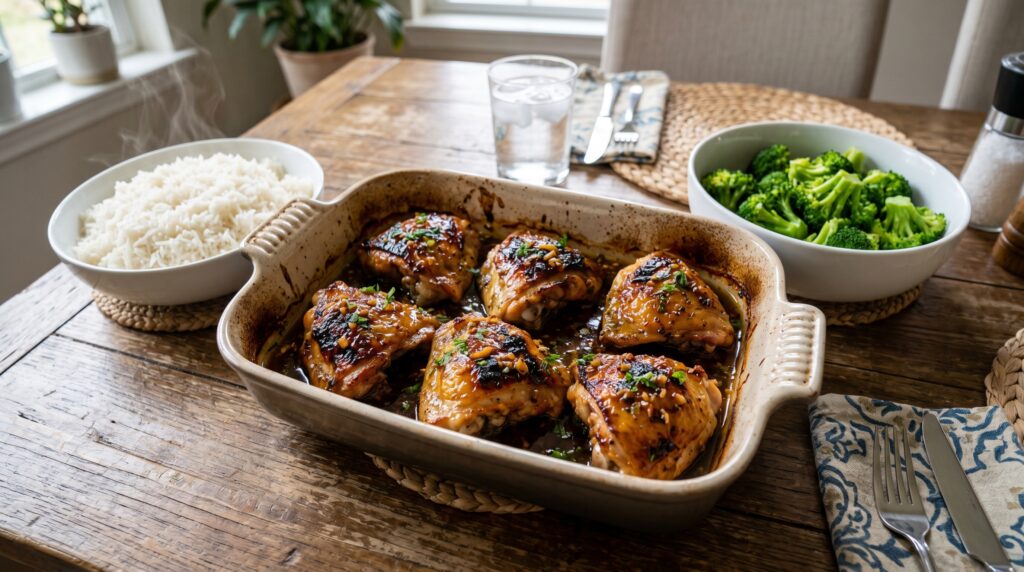
Honey garlic chicken thighs are the most universally accepted bone-in chicken preparation for picky eaters — the sweet, slightly sticky honey-garlic glaze creates an appealing, non-threatening flavor profile that both children and adult picky eaters consistently respond to positively.
Key ingredients: Bone-in, skin-on chicken thighs (6–8), honey (3 tbsp), soy sauce (2 tbsp), garlic (3 cloves, minced), Dijon mustard (1 tsp), fresh lemon juice (1 tbsp), smoked paprika (½ tsp), sea salt, cracked black pepper
Method: Mix glaze. Place chicken in a baking dish. Pour glaze over, ensuring each thigh is well-coated. Bake at 200°C (400°F) for 30–35 minutes, basting once halfway through, until the chicken is golden and the glaze is caramelized.
Picky eater tip: Serve the vegetables on a completely separate section of the plate — or on a separate small plate entirely — with no sauce contact. The fear of sauce contaminating other foods is one of the most common picky eater sensitivities.
What makes it special: The honey’s natural caramelization during baking creates a surface of sticky, glossy, sweet-savory depth that makes this chicken genuinely appealing — the visual attractiveness of a glazed, golden chicken is one of the most reliable ways to create initial interest in picky eaters.
3. Chicken Quesadillas
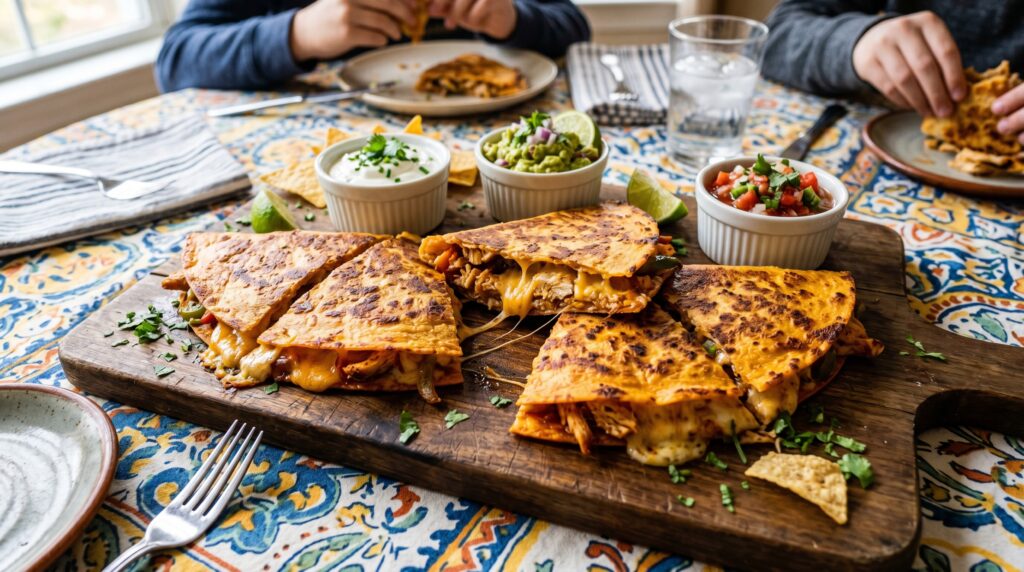
Prep time: 15 minutes | Cook time: 10 minutes | Serves: 4
Chicken quesadillas are the picky eater proof dinner — the combination of familiar tortilla, melted cheese, and simply seasoned chicken in a format that is interactive to eat and customizable for each person’s tolerance creates near-universal acceptance.
Key ingredients: Flour tortillas (8 — large), chicken breast (400g, cooked and shredded or diced — seasoned simply with cumin, garlic powder, salt), shredded Monterey Jack or cheddar cheese (200g), optional additions (for less picky eaters): diced red bell pepper, corn, black beans
Method: Scatter cheese and chicken over half of each tortilla. Fold over. Cook in a dry non-stick pan over medium heat for 2–3 minutes per side until golden and crispy and the cheese is melted completely. Slice into triangles.
The hidden vegetable option: Finely diced onion, red pepper, and corn can be stirred into the chicken filling — they become undetectable once the cheese melts around them, adding nutrition without visible evidence.
What makes it special: The triangular shape of cut quesadillas — dippable, handleable, and satisfying to eat piece by piece — creates an interactive eating experience that makes them immediately appealing to children and genuinely enjoyable for adults.
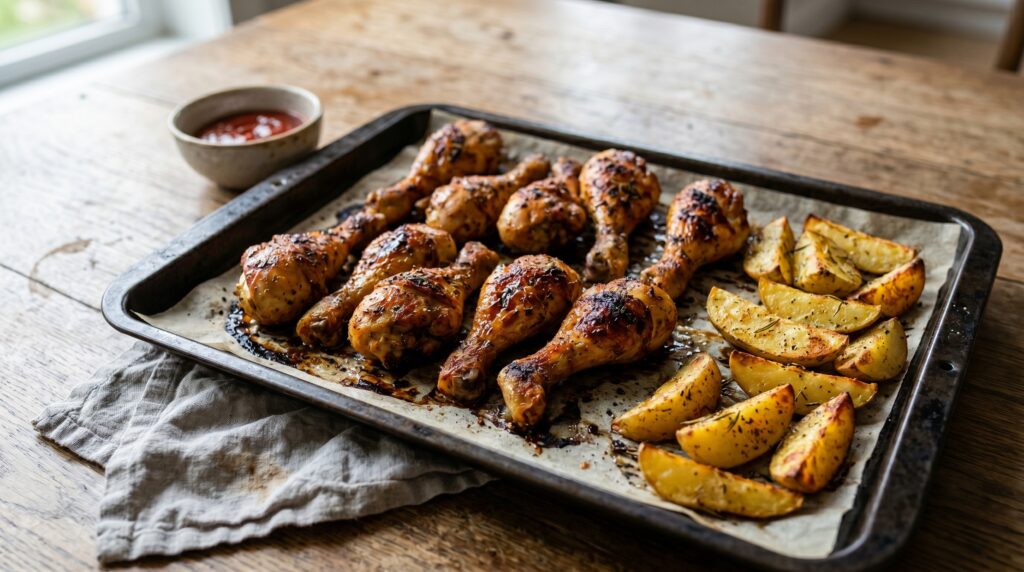
4. Sheet Pan Chicken Drumsticks
Prep time: 10 minutes | Cook time: 40 minutes | Serves: 4
Chicken drumsticks are the most hands-on, most naturally appealing chicken format for picky eaters — the built-in handle, the familiar shape, and the juicy, flavorful meat create a chicken preparation that children particularly respond to with genuine enthusiasm.
Key ingredients: Chicken drumsticks (8), olive oil (2 tbsp), smoked paprika (1 tsp), garlic powder (1 tsp), onion powder (½ tsp), dried oregano (½ tsp), sea salt, cracked black pepper. Simple potato wedges alongside (optional)
Method: Toss drumsticks in the oil and spice mixture until thoroughly coated. Arrange on a baking tray. Roast at 220°C (425°F) for 35–40 minutes until deeply golden and cooked through, turning once halfway.
What makes it special: The high roasting temperature — 220°C rather than the more cautious 180°C — produces genuinely caramelized, slightly crispy skin that makes these drumsticks far more visually appealing and far more delicious than pale, soft-skinned lower-temperature versions.
Pasta and Noodle Dishes
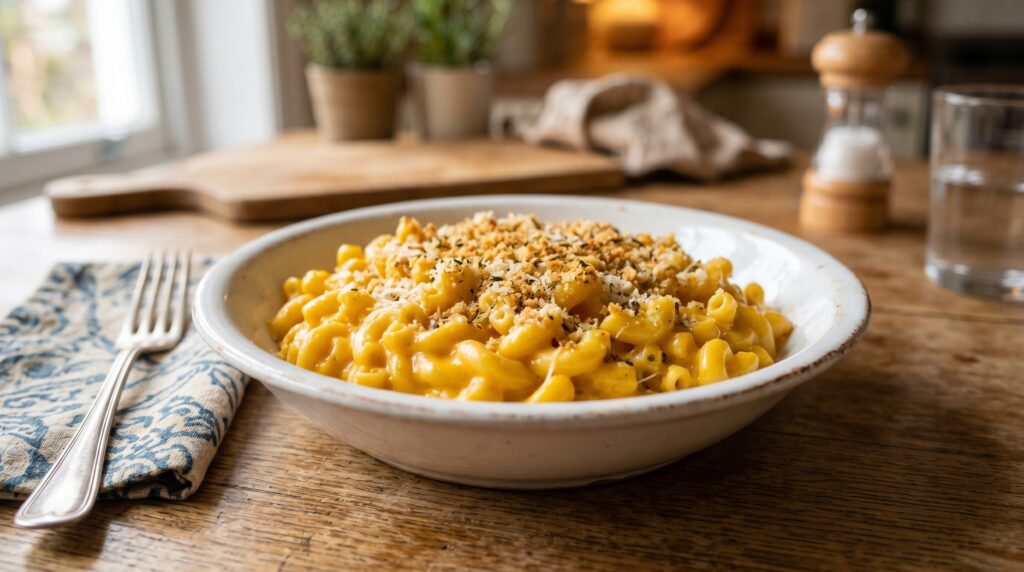
5. Hidden Vegetable Mac and Cheese
Prep time: 20 minutes | Cook time: 20 minutes | Serves: 6
Hidden vegetable mac and cheese is the picky eater recipe that most consistently delights parents while satisfying children — butternut squash puréed into the cheese sauce creates a naturally vivid orange-yellow color that enhances the appearance while adding significant nutrition, completely undetected.
Key ingredients: Elbow macaroni (400g), butter (30g), plain flour (25g), whole milk (500ml), mature cheddar (180g, grated), Gruyère (60g, grated), butternut squash (200g — roasted or steamed and puréed completely smooth), Dijon mustard (1 tsp), garlic powder (½ tsp), sea salt, white pepper. Topping: panko breadcrumbs (50g, toasted in butter)
The hidden squash technique: Roast or steam the butternut squash until completely soft. Blend to a completely smooth, lump-free purée. Add to the cheese sauce after removing from the heat — it blends invisibly into the sauce, deepening its color and adding a subtle sweetness that actually enhances the flavor.
What makes it special: The butternut squash purée serves a dual purpose — it adds significant nutrition (vitamin A, vitamin C, fiber) while also improving the sauce’s color, making it appear even more vibrantly “cheesy” than a plain cheddar sauce. The perceived enhancement of the visual appeal makes this a rare win where the hidden vegetable makes the dish look more appealing, not less.
Breadcrumb topping: The toasted breadcrumb topping adds a textural contrast that makes the mac and cheese feel more interesting and substantial. It can be omitted for picky eaters who prefer a uniformly smooth texture.
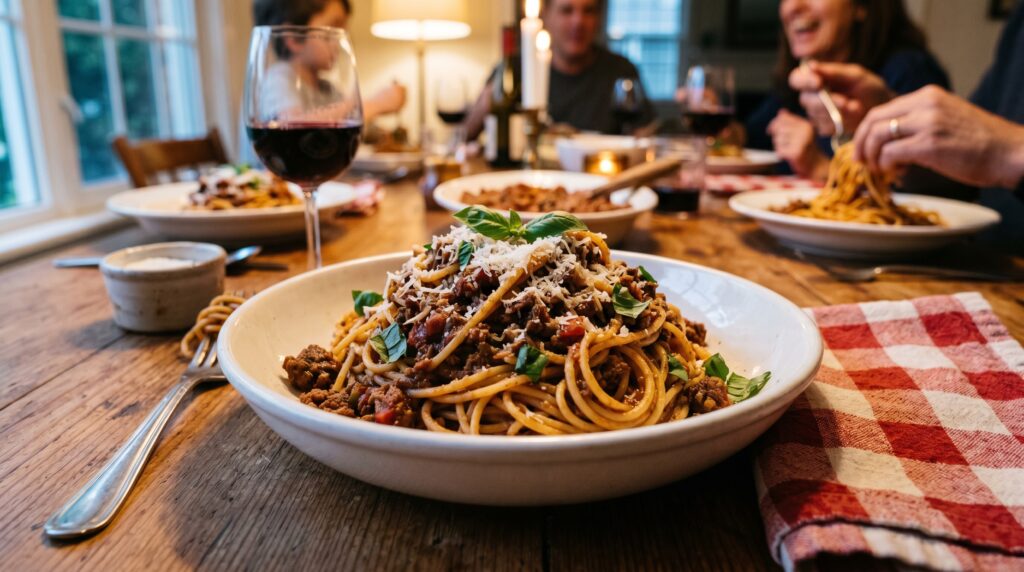
6. Spaghetti Bolognese (Hidden Veg Version)
Prep time: 15 minutes | Cook time: 40 minutes | Serves: 6
Hidden vegetable Bolognese is the most nutritionally efficient picky eater recipe in this collection — the finely grated or food-processor-minced vegetables (carrot, zucchini, celery, spinach) cook down completely into the meat sauce, adding significant nutrition without any detectable trace of their presence.
Key ingredients: Ground beef (500g), onion (1, finely diced), carrot (2, grated finely — these disappear completely), zucchini (1 medium, grated finely and squeezed of excess moisture), celery (2 stalks, very finely diced), fresh spinach (60g — wilted and very finely chopped), garlic (3 cloves), tomato paste (2 tbsp), canned San Marzano tomatoes (400ml), beef stock (100ml), dried oregano, fresh basil, Parmesan, sea salt
Hidden vegetable technique: Grate the carrot and zucchini on the finest grater setting. After browning the beef and building the soffritto base, add the grated vegetables and cook for 5 minutes — they lose their distinct texture and color completely as they cook, integrating invisibly into the sauce.
What makes it special: The grated vegetables — releasing their moisture into the sauce during the sauté — actually improve the sauce’s depth and consistency, adding body and sweetness that makes this version of Bolognese genuinely better than a plain meat version, not merely more nutritious.
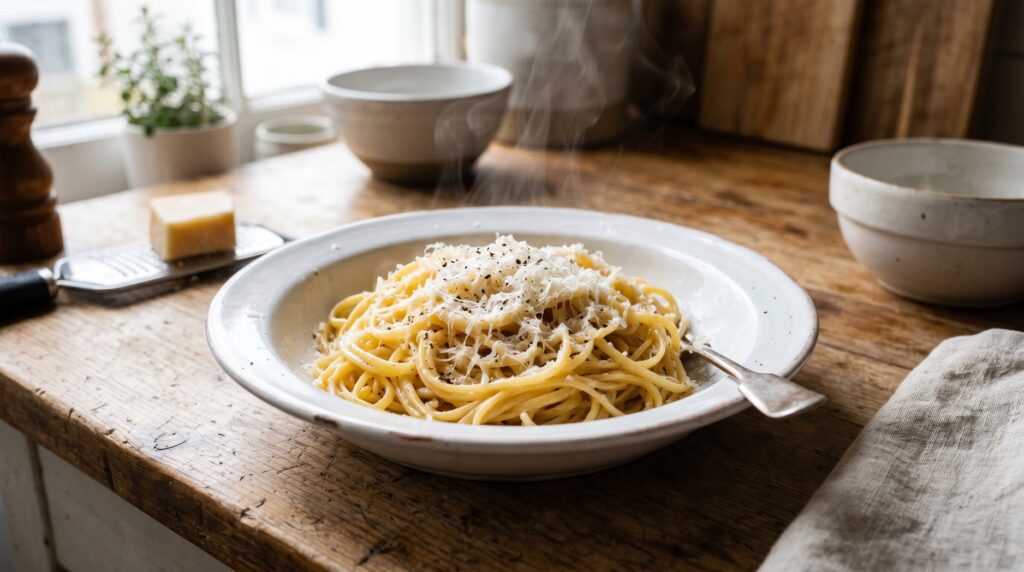
7. Buttered Pasta with Parmesan
Prep time: 5 minutes | Cook time: 12 minutes | Serves: 4
Buttered pasta with Parmesan — the foundation of Italian home cooking for children — is included in this collection not because it is impressive but because it is genuinely excellent when made properly, and because it represents the starting point from which picky eaters can gradually be introduced to more complex pasta preparations.
Key ingredients: Spaghetti or linguine (400g), unsalted butter (60g — good quality, genuinely good butter), Parmesan (60g, finely grated — not the pre-grated variety), pasta cooking water (reserved generously), sea salt, cracked black pepper
The brown butter upgrade: For family members who will accept it, browning the butter until golden and nutty before tossing with the pasta creates a version of significant depth — the same simple preparation transformed into something genuinely sophisticated. Serve the browned butter version to adventurous eaters and plain butter to picky ones from the same pot of pasta.
What makes it special: The pasta cooking water — its starch emulsifying the butter into a cohesive, slightly creamy sauce — is the technique that transforms bare butter on pasta into a unified, glossy, genuinely coating preparation. Never skip it.
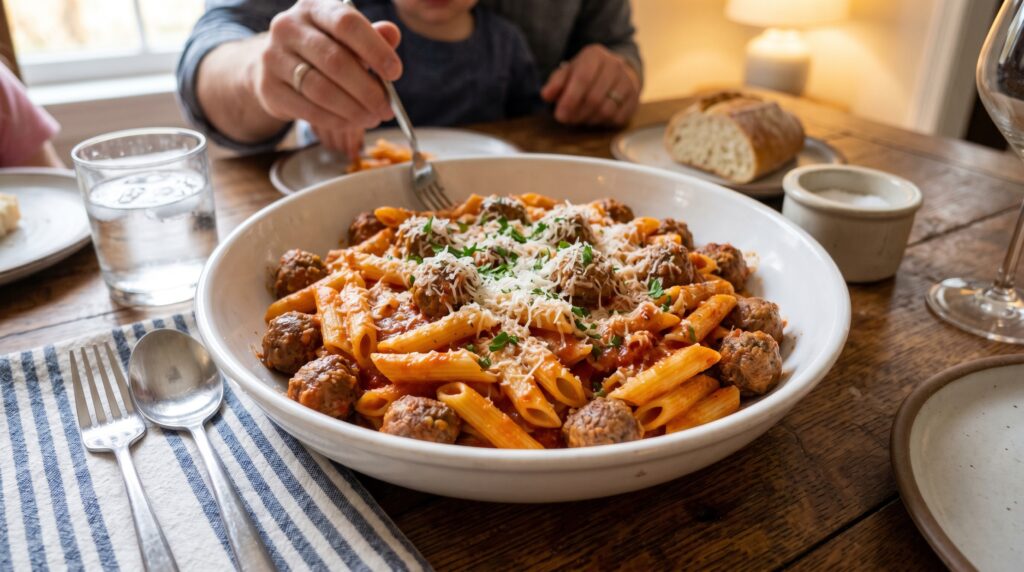
8. Pasta with Mild Tomato Sauce and Meatballs
Prep time: 20 minutes | Cook time: 30 minutes | Serves: 6
Pasta with mild tomato sauce and meatballs is the most beloved picky eater dinner in the Italian-American tradition — a smooth, mildly seasoned tomato sauce (with hidden vegetables blended in) and tender small meatballs creates the most universally accepted pasta dinner available.
Key ingredients: Penne or spaghetti (400g). Mild tomato sauce: canned San Marzano tomatoes (400ml) blended smooth, onion (sautéed until soft), garlic (just 1 clove — mild), carrot (1, puréed into the sauce), a pinch of sugar, dried oregano, butter (stirred in at the end for richness). Meatballs: ground beef (400g), breadcrumbs soaked in milk, Parmesan, garlic, parsley, sea salt — small (3cm) for faster cooking and easier eating
Smooth sauce technique: Blend the finished sauce completely smooth using an immersion blender before adding the meatballs — no chunks, no identifiable vegetable pieces, a completely uniform, slightly sweet tomato sauce of pure, approachable flavor.
What makes it special: The blended carrot in the tomato sauce adds natural sweetness that mellows the tomato’s acidity, creating a sauce with the naturally sweet, gentle character that children universally find appealing — and adults find comforting.
Beef and Sausage Crowd-Pleasers
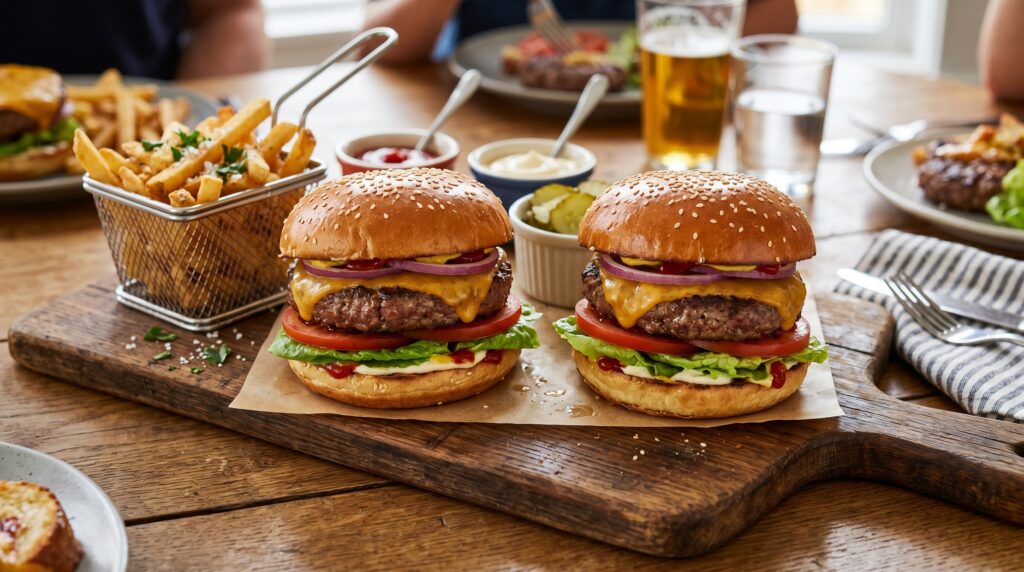
9. Classic Beef Burgers
Prep time: 15 minutes | Cook time: 10 minutes | Serves: 4
Classic beef burgers are the picky eater dinner that almost never fails — the familiar format, the juicy beef, the soft bun, and the customizable toppings create a dinner where every person at the table can build exactly what they want to eat.
Key ingredients: Ground beef (600g — 80/20, formed into 4 patties), sea salt, cracked black pepper, brioche buns (toasted in butter), cheddar cheese (sliced), lettuce, tomato slices, ketchup, mayonnaise, mustard
The smash technique option: For thinner, crispier patties — particularly appealing to children — use the smash burger method (recipe details covered in our ground beef recipes guide). The maximum caramelization of a smash patty creates an immediately appealing golden exterior.
Customization principle: Lay out all toppings separately and allow each person to build their own burger — this single change transforms a potentially fraught meal into a universally positive, engaging experience.
What makes it special: A properly seasoned beef patty — seasoned immediately before cooking with a generous amount of salt — develops a deeply flavorful, slightly caramelized crust from the Maillard reaction that makes the difference between a memorable burger and a forgettable one.
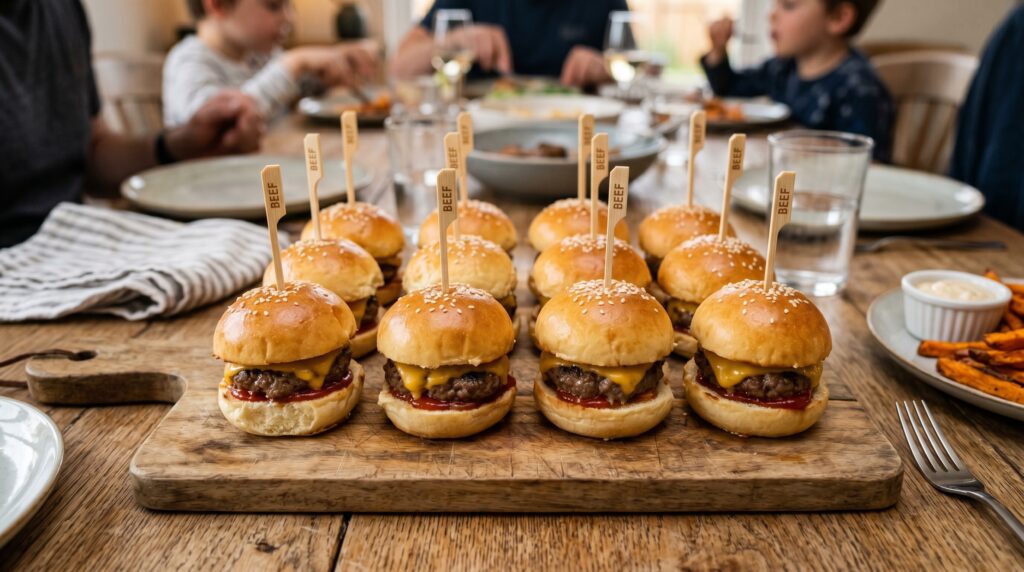
10. Mini Beef Sliders
Prep time: 15 minutes | Cook time: 15 minutes | Serves: 4–6 (12 sliders)
Mini beef sliders are the picky eater dinner in the most psychologically effective format — smaller food is inherently less intimidating, the two-bite size means any disliked element is quickly over, and the fun factor of miniature food creates enthusiasm that full-sized versions do not always generate.
Key ingredients: Ground beef (600g, formed into 12 small 50g balls — loosely formed), American or cheddar cheese (12 slices), brioche slider buns (12, toasted in butter), ketchup, mayonnaise. Optional (for non-picky diners): dill pickles, diced onion, mustard
Method: Cook patties using the smash technique — place a loose ball on a hot cast iron griddle, smash flat immediately with a spatula, season, and cook 90 seconds per side. Add cheese on the flip. Serve immediately.
What makes it special: The miniature format of sliders creates a perception of abundance — twelve individual items on a platter feels generous and exciting in a way that four regular burgers of equivalent total food quantity does not. This psychological difference genuinely impacts how enthusiastically picky eaters approach the meal.
11. Homemade Beef Sausages
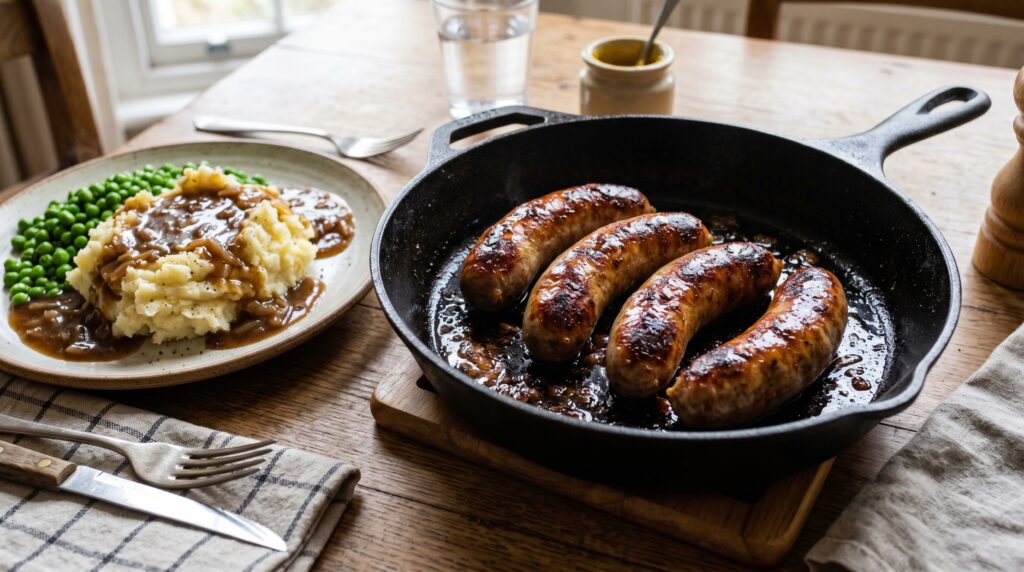
Prep time: 20 minutes | Cook time: 15 minutes | Serves: 4
Homemade beef sausages — made simply from ground beef, breadcrumbs, garlic, and herbs, formed into sausage shapes and pan-fried until golden — are the picky eater protein that uses completely familiar flavors in a completely familiar format while giving the cook complete control over what is inside.
Key ingredients: Ground beef (500g), fresh breadcrumbs soaked in milk (panade — 30g), garlic (1 clove, minced), dried herbs (oregano, thyme — ½ tsp each), smoked paprika (¼ tsp), sea salt, cracked black pepper, olive oil for cooking
Method: Combine all ingredients gently until just mixed. Form into 8 sausage shapes using wet hands. Pan-fry in a little oil over medium heat for 4–5 minutes, turning regularly, until golden all over and cooked through.
What makes it special: The complete control over ingredients means no fillers, no by-products, no unexpected additions — just good beef, mild seasoning, and the familiar sausage format that picky eaters already accept.
Hidden Vegetable Wins
12. Zucchini Fritters with Sour Cream
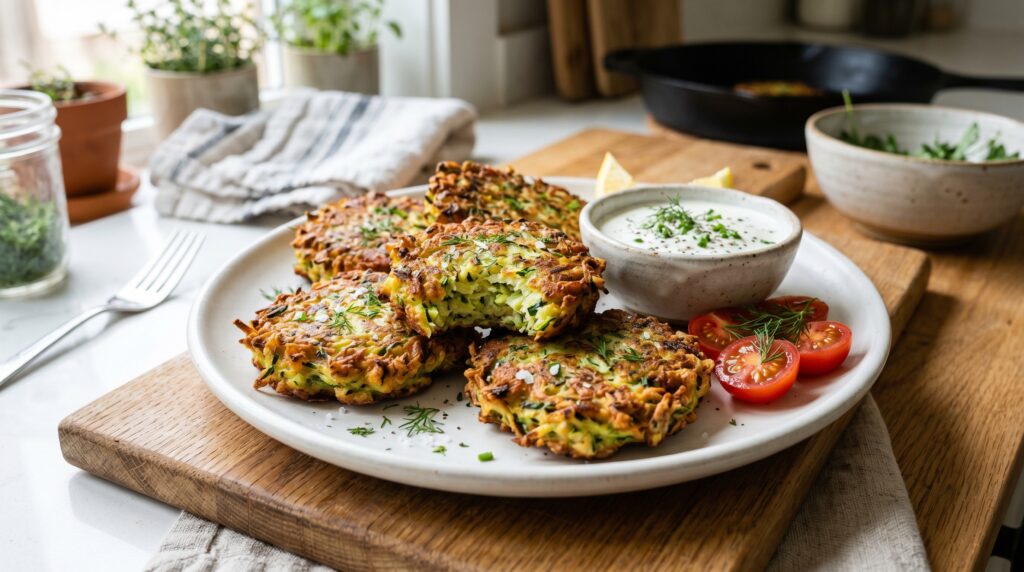
Prep time: 15 minutes | Cook time: 12 minutes | Serves: 4
Zucchini fritters are one of the great hidden vegetable victories — zucchini grated and incorporated into a golden, crispy fritter that looks and tastes like a delicious pancake is accepted enthusiastically by children who would refuse a visible piece of zucchini without hesitation.
Key ingredients: Zucchini (400g, grated and squeezed completely dry — the moisture removal step is critical), eggs (2), plain flour (80g), shredded cheddar (60g), garlic powder (¼ tsp), sea salt, cracked black pepper, olive oil for frying. Serve with sour cream
The squeeze technique: After grating the zucchini, place in a clean kitchen cloth and squeeze firmly until no more liquid comes out. The zucchini must be genuinely dry — inadequately squeezed zucchini produces soggy fritters that do not achieve the crispy exterior that makes them appealing.
What makes it special: The cheese in the fritter mixture melts during cooking, creating pockets of golden, slightly caramelized cheese that make the fritters genuinely delicious rather than merely nutritious. The cheese is the flavor bridge that makes the zucchini vehicle appealing.
13. Cauliflower Mac and Cheese
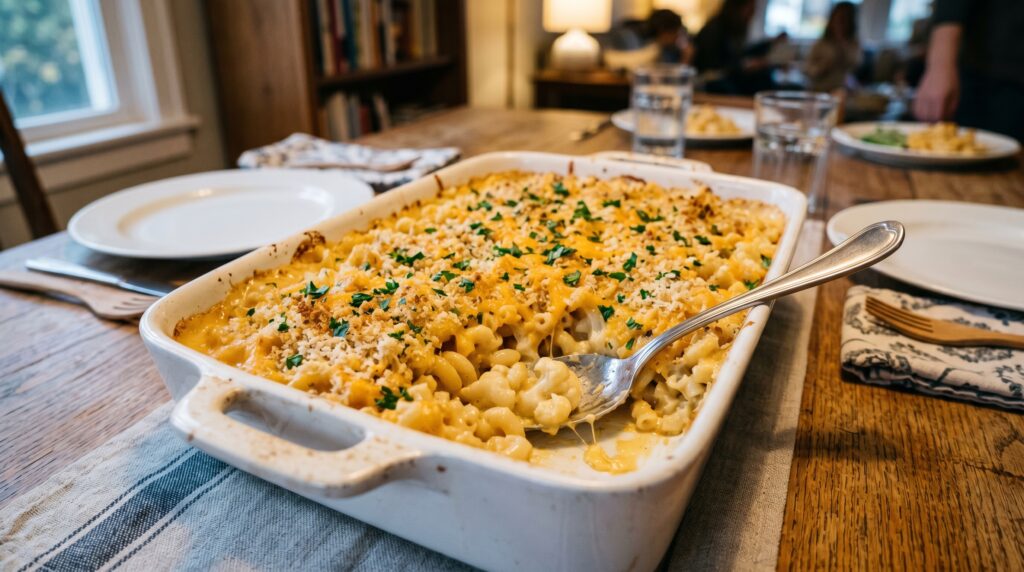
Prep time: 15 minutes | Cook time: 25 minutes | Serves: 6
Cauliflower mac and cheese incorporates small cauliflower florets cooked until tender alongside the pasta — the cauliflower takes on the flavor of the cheese sauce and achieves a texture similar enough to the pasta that many picky eaters do not distinguish it as a separate ingredient.
Key ingredients: Elbow macaroni (300g), cauliflower (1 small head, broken into very small florets — cooked in the pasta water during the last 3 minutes of pasta cooking), cheddar cheese sauce (as in recipe 5, minus the squash purée), breadcrumb topping
The size principle: The cauliflower florets must be cut very small — approximately the same size as the pasta — so they look like an unusual pasta shape rather than an identifiable vegetable. This visual similarity is the key to their acceptance.
What makes it special: Cooking the cauliflower in the pasta water during the last few minutes of pasta cooking means only one pot is needed and the cauliflower absorbs a little of the starch-and-salt pasta water, improving its flavor and making it more receptive to absorbing the cheese sauce.
14. Sweet Potato Fish Cakes
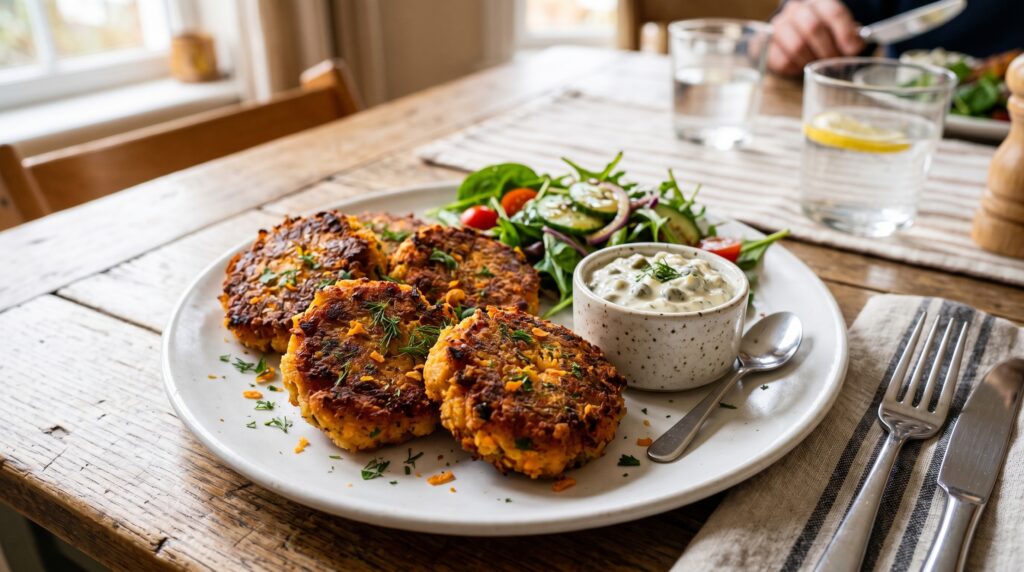
Prep time: 20 minutes | Cook time: 12 minutes | Serves: 4
Sweet potato fish cakes use the natural sweetness of sweet potato to create an appealing, golden-fried cake that incorporates both fish protein and vegetable nutrition in a format — a crispy, dippable patty — that picky eaters reliably accept.
Key ingredients: Canned tuna in olive oil (2 tins × 160g, drained and flaked) or cooked white fish (300g, flaked), sweet potato (300g, boiled and mashed), breadcrumbs (40g), egg (1), lemon zest (½ tsp), fresh parsley (finely chopped), sea salt, cracked black pepper, olive oil for frying
Method: Combine all ingredients. Form into 8 patties. Coat lightly in additional breadcrumbs. Pan-fry in olive oil for 3–4 minutes per side until deeply golden.
What makes it special: The sweet potato provides two benefits — it acts as a binder (replacing the need for extra egg or flour) and it contributes a natural sweetness that makes the fish cakes genuinely delicious and masks the strong “fishy” flavor that deters many picky eaters from fish preparations.
Pizza and Interactive Dinners
15. Homemade Pizza (Build Your Own)
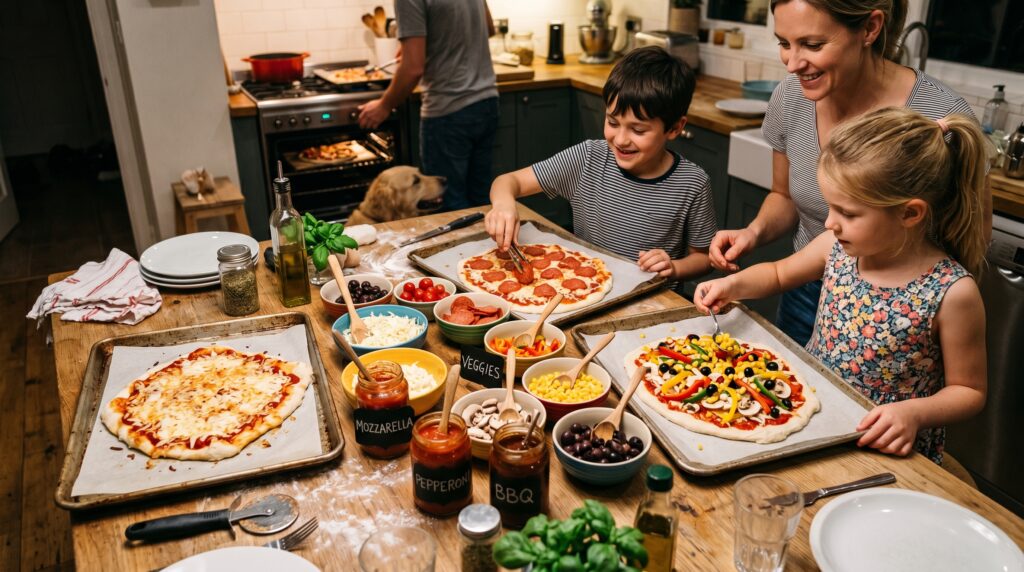
Prep time: 20 minutes | Cook time: 12 minutes per pizza | Serves: 4
Build-your-own homemade pizza is the most reliably successful picky eater dinner concept. When children and picky eaters control exactly what goes on their pizza, they eat it with genuine enthusiasm. The interactive preparation creates engagement with the cooking process that makes them more invested in the result.
Key ingredients: Pizza bases (store-bought or simple homemade — flour, yeast, water, olive oil, salt), pizza sauce (mild tomato sauce or simply crushed San Marzano tomatoes with a pinch of salt and oregano), shredded mozzarella (generous amount — the one ingredient almost universally accepted), selection of toppings in individual bowls: pepperoni, sliced mushrooms, corn, diced bell pepper, olives, ham
Hidden vegetable sauce: Blend carrot, onion, and a little celery into the pizza tomato sauce — cooked down first — for a sauce of improved nutritional value with completely unchanged appearance and flavor.
What makes it special: The psychological ownership of a self-assembled pizza — “I made this exactly the way I wanted it” — creates a relationship with the food that overcomes the reluctance most picky eaters have toward unfamiliar preparations. It is the most consistent picky eater strategy available.
16. Taco Night (Deconstructed)
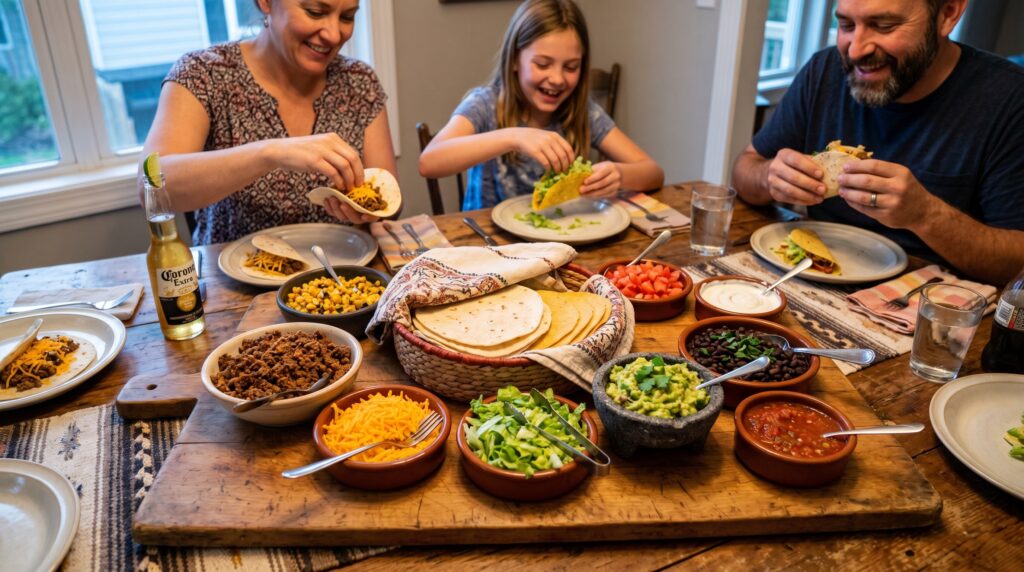
Prep time: 20 minutes | Cook time: 15 minutes | Serves: 4–6
Taco night served deconstructed — every component in its own small bowl, tortillas warm in a basket at the center, everyone building their own — is the single most reliably successful format for feeding a table of varied eaters simultaneously. Picky eaters build plain cheese tacos; adventurous eaters build everything-in tacos; the cook makes one thing.
Key ingredients: Ground beef (500g, seasoned with homemade taco spice blend), flour or corn tortillas (warmed), shredded cheddar, shredded iceberg lettuce, diced tomato, sour cream, guacamole, mild salsa. Optional for adventurous: diced red onion, fresh jalapeño, black beans, corn, fresh cilantro
Taco seasoning: Cumin (2 tsp), smoked paprika (1 tsp), garlic powder (1 tsp), onion powder (½ tsp), dried oregano (½ tsp), chili powder (½ tsp — optional), sea salt, black pepper.
What makes it special: The deconstructed serving format eliminates the most common source of dinner table conflict — forced contact between foods the picky eater doesn’t want touching. Each component in its own bowl means every diner makes their own comfortable combination.
Comforting Sides and Simple Dinners
17. Creamy Mashed Potato
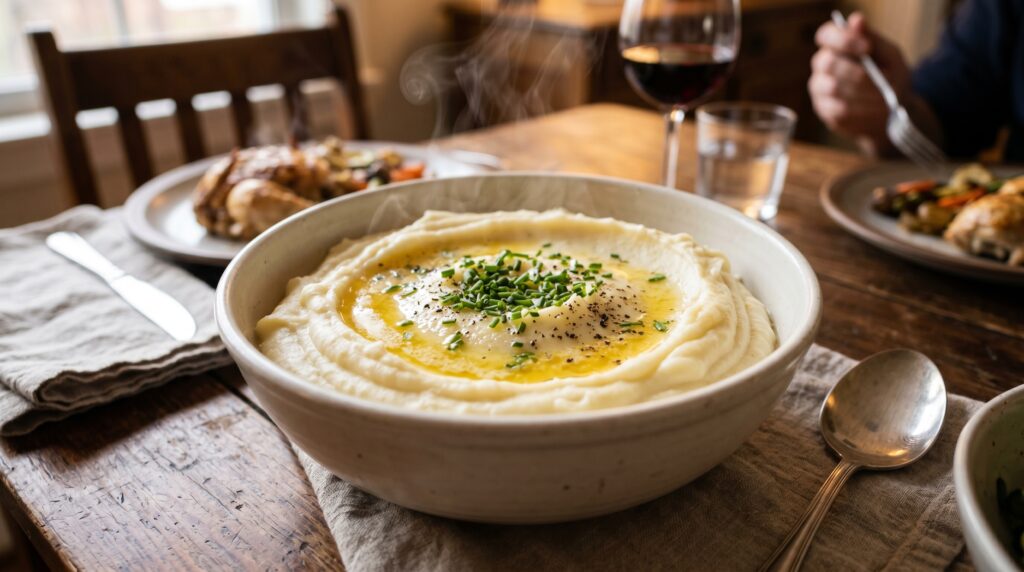
Prep time: 10 minutes | Cook time: 20 minutes | Serves: 6
Creamy mashed potato is the most universally accepted side dish for picky eaters of all ages — properly made, it is one of the most genuinely delicious, most comforting, and most reliably eaten preparations in all of home cooking.
Key ingredients: Floury potatoes (1kg — Maris Piper, King Edward, or Russet), unsalted butter (80g — cold, added at the end), whole milk (100ml — warmed), sea salt (generous), white pepper, optional: cream cheese (50g — for extra richness), fresh chives
Method: Peel potatoes and cut to equal size chunks. Boil in well-salted water until completely tender — test with a knife, which should slide through with no resistance. Drain and return to the dry pot over low heat for 2 minutes to evaporate excess moisture. Push through a ricer or mash vigorously. Add warm milk and cold butter in alternating additions, beating until completely smooth. Season generously.
What makes it special: The cold butter — added after the warm milk — creates an emulsion with the potato starch that produces a mash of extraordinary silkiness and richness. Warm butter, while more intuitive, produces a less cohesive, slightly greasy result.
18. Oven-Baked Potato Wedges
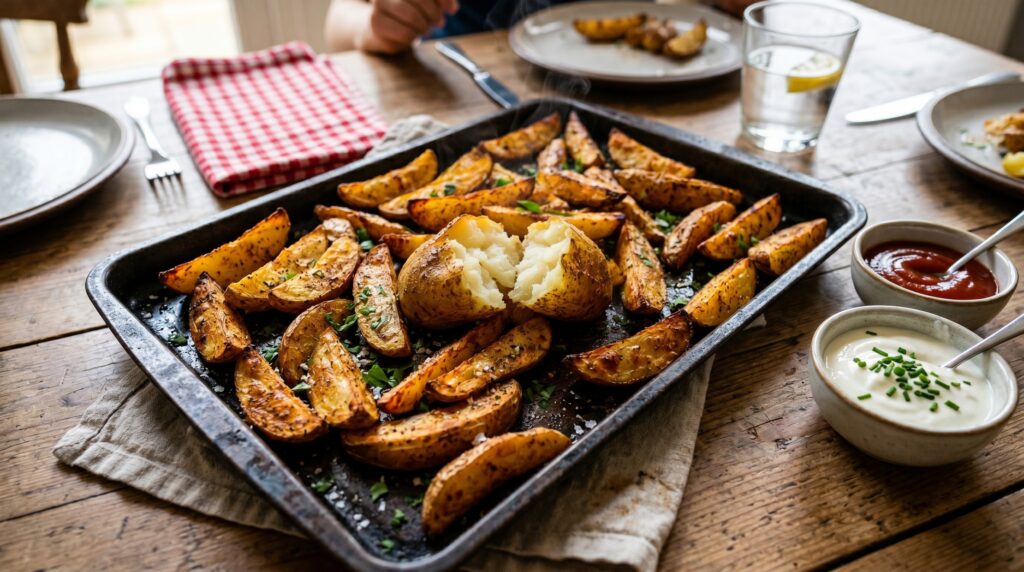
Prep time: 10 minutes | Cook time: 35 minutes | Serves: 4
Oven-baked potato wedges are the most universally accepted side dish alternative to chips/fries — the familiar potato format in a larger, slightly more substantial shape that is genuinely delicious when made properly with the right technique.
Key ingredients: Large floury potatoes (4 — Maris Piper or Russet), olive oil (3 tbsp), smoked paprika (1 tsp), garlic powder (½ tsp), sea salt, cracked black pepper
The crispy wedge technique: Parboil the wedges for 8 minutes first — this pre-cooking creates a slightly roughened surface that crisps beautifully. Drain well, return to the dry pot and shake to roughen the surfaces further. Toss in oil and seasoning. Spread on a hot baking tray (preheated in the oven) in a single layer. Roast at 220°C (425°F) for 25–30 minutes, turning once.
What makes it special: The parboiling and surface roughening — the technique used for roast potatoes — creates a dramatically crispier exterior than simply slicing and roasting raw potatoes. The rough, starchy surface crisps into a genuinely crunchy exterior that makes these wedges superior to most restaurant versions.
19. Simple Chicken Fried Rice
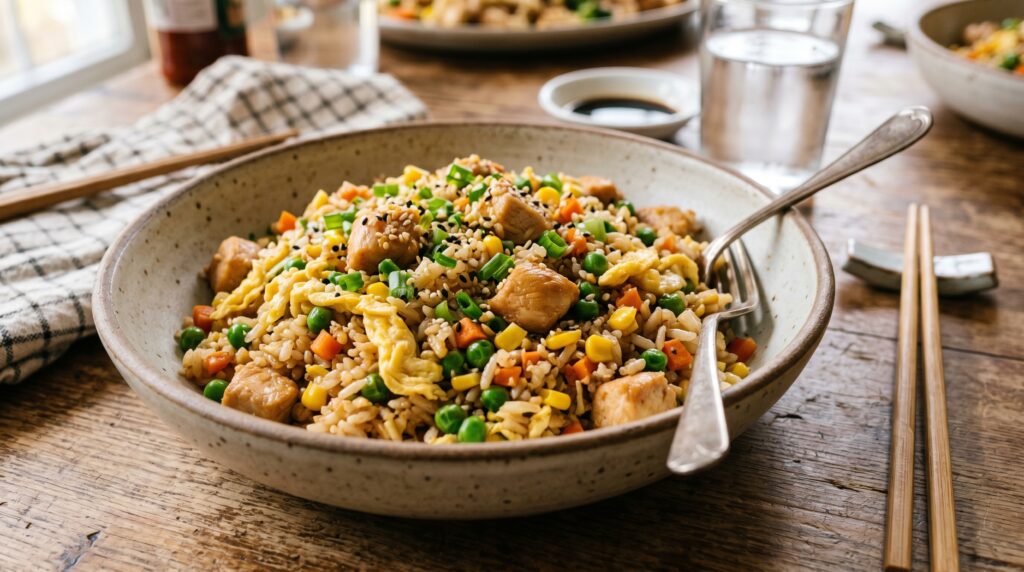
Prep time: 10 minutes | Cook time: 10 minutes | Serves: 4
Simple chicken fried rice is the picky eater Asian dinner that consistently succeeds — mild soy seasoning, familiar rice, chicken, and egg in a simple stir fry format creates a preparation accessible enough for picky eaters while satisfying enough for everyone else.
Key ingredients: Day-old jasmine rice (300g cooked — essential), cooked chicken breast (200g, diced), eggs (3, beaten), frozen peas and corn (100g combined), carrot (1, finely diced), soy sauce (3 tbsp — mild), sesame oil (½ tsp — very small amount for picky eaters, more for adventurous), vegetable oil, green onion, sea salt, white pepper
Picky eater adaptations: Use less soy sauce (2 tbsp rather than 3) for a milder flavor. Omit the sesame oil entirely for very sensitive palates. Use corn and peas rather than more unfamiliar vegetables — these are almost universally accepted.
What makes it special: The slightly caramelized rice — achieved by not stirring for 30 seconds after each addition to the hot wok — creates a preparation with a depth of flavor that plain soy-sauced rice does not approach.
20. Mini Pancake Breakfast Plate
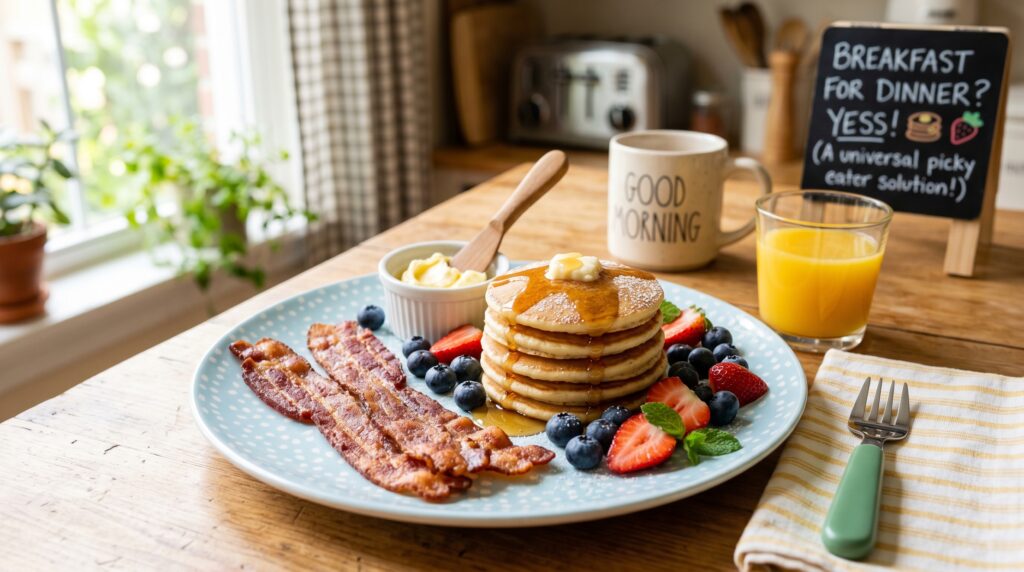
Prep time: 10 minutes | Cook time: 15 minutes | Serves: 4
Mini silver-dollar pancakes served as a breakfast-for-dinner plate — with bacon, fresh fruit, and maple syrup — are the picky eater wild card that consistently works when everything else has failed. Breakfast food for dinner disrupts the expectation of a “proper” dinner and creates genuine excitement in picky eaters of all ages.
Key ingredients: Plain flour (200g), baking powder (2 tsp), caster sugar (2 tbsp), sea salt (¼ tsp), egg (1), whole milk (250ml), melted butter (2 tbsp), vanilla extract (½ tsp). Serve with: maple syrup, bacon strips (cooked until crispy), fresh blueberries, strawberries, butter
Mini pancake technique: Use a tablespoon or small cookie scoop to portion the batter — creating pancakes approximately 6–7cm in diameter. Cook in a buttered non-stick pan over medium heat for 90 seconds per side until golden and set.
What makes it special: The breakfast-for-dinner concept works for picky eaters because it replaces the anxiety of an expected “dinner” format with the comfort and familiarity of a breakfast format. The playful mini size adds further appeal, particularly for children.
Hidden protein boost: Adding 2 tablespoons of Greek yogurt to the batter creates a slightly tangier, slightly more protein-rich pancake that is completely indistinguishable in flavor or appearance from a conventional preparation.
Picky Eater Dinner Planning Guide
| Recipe | Hidden Veg | Interactive | Protein | Time | Universal Appeal |
|---|---|---|---|---|---|
| Crispy Chicken Tenders | No | Dipping sauces | Chicken | 35 mins | ⭐⭐⭐⭐⭐ |
| Honey Garlic Chicken | No | No | Chicken | 40 mins | ⭐⭐⭐⭐ |
| Chicken Quesadillas | Optional | Build your own | Chicken | 25 mins | ⭐⭐⭐⭐⭐ |
| Sheet Pan Drumsticks | No | Hands-on eating | Chicken | 50 mins | ⭐⭐⭐⭐ |
| Hidden Veg Mac & Cheese | Squash | No | Dairy | 40 mins | ⭐⭐⭐⭐⭐ |
| Hidden Veg Bolognese | Carrot/Zucchini | No | Beef | 55 mins | ⭐⭐⭐⭐⭐ |
| Buttered Pasta | No | No | Dairy | 17 mins | ⭐⭐⭐⭐⭐ |
| Pasta with Meatballs | Carrot in sauce | No | Beef | 50 mins | ⭐⭐⭐⭐⭐ |
| Classic Beef Burgers | No | Build your own | Beef | 25 mins | ⭐⭐⭐⭐⭐ |
| Mini Sliders | No | Build your own | Beef | 30 mins | ⭐⭐⭐⭐⭐ |
| Homemade Sausages | No | No | Beef | 35 mins | ⭐⭐⭐⭐ |
| Zucchini Fritters | Zucchini | Dipping sauce | Egg/Veg | 27 mins | ⭐⭐⭐⭐ |
| Cauliflower Mac | Cauliflower | No | Dairy | 40 mins | ⭐⭐⭐⭐ |
| Sweet Potato Fish Cakes | Sweet potato | Dipping sauce | Fish | 32 mins | ⭐⭐⭐⭐ |
| Build Your Own Pizza | Optional in sauce | Full interactive | Dairy/any | 32 mins | ⭐⭐⭐⭐⭐ |
| Taco Night | No | Full interactive | Beef | 35 mins | ⭐⭐⭐⭐⭐ |
| Creamy Mashed Potato | No | No | — | 30 mins | ⭐⭐⭐⭐⭐ |
| Potato Wedges | No | Dipping sauce | — | 45 mins | ⭐⭐⭐⭐⭐ |
| Simple Chicken Fried Rice | Veg in rice | No | Chicken | 20 mins | ⭐⭐⭐⭐ |
| Mini Pancake Plate | Optional | Assembly | Egg/Dairy | 25 mins | ⭐⭐⭐⭐⭐ |
Make-Ahead and Batch Cooking Guide
Batch cook for the week: Hidden vegetable Bolognese, meatballs, chicken tenders (freeze raw coated, bake from frozen, adding 5 minutes), homemade beef sausages (freeze raw, cook from frozen).
Refrigerator prep: Taco seasoned beef keeps 3 days; pizza sauce with hidden vegetables keeps 5 days; mashed potato keeps 3 days (reheat with additional warm milk).
The strategic batch cook: Making a large batch of plain seasoned chicken at the start of the week creates the filling for quesadillas on Monday, fried rice on Wednesday, and sliders on Friday — three completely different dinners from one 30-minute preparation.
For comprehensive food safety guidance on storing all family meal preparations safely throughout the week, our Food Safety 101: Storage, Handling, and Temperature Guide is essential reading.
Frequently Asked Questions
How do I introduce new foods to a picky eater without a battle?
The most evidence-supported approach is repeated, low-pressure exposure — placing a small amount of the new food on the plate without requiring it to be eaten, across multiple meals over several weeks. Research from the feeding therapy field suggests that children need 10–15 exposures to a new food before they are likely to try it, and 20 or more before accepting it. Patience and consistency, rather than pressure or reward systems, produce the most reliable long-term results.
Are hidden vegetables a long-term solution?
Hidden vegetables are a nutritional bridge, not a permanent solution. They are most valuable for maintaining nutritional adequacy during periods of restricted eating while other strategies are used to gradually expand the food repertoire. The goal is always to progressively introduce foods openly — but hidden vegetables provide a practical nutritional safety net during the process.
Should I make separate meals for picky eaters?
The conventional wisdom against separate meals is generally sound — it increases the cook’s workload enormously and can reinforce the idea that refusal is an effective strategy. A more practical approach is to serve one meal with at least one guaranteed-acceptable component (a plain carbohydrate, a familiar protein) alongside the new or potentially rejected elements, so the picky eater always has something to eat without the cook making an entirely different meal.
What foods are almost universally accepted even by picky eaters?
The most consistently accepted foods across picky eater populations: mild, well-seasoned carbohydrates (pasta with butter, plain rice, potato in any format), golden-crusted proteins (chicken tenders, burgers, sausages), melted cheese on almost anything, and sweet preparations (pancakes, French toast). These form the reliable foundation from which the recipes in this guide build.
According to Great Ormond Street Hospital, selective or picky eating is extremely common in children between the ages of 2 and 6, affects approximately 25–35% of children in this age group, and in most cases gradually resolves with consistent, low-pressure exposure to a wide variety of foods without the creation of significant anxiety around mealtimes. For persistent, severe cases affecting nutrition or growth, specialist support from a paediatric dietitian is recommended.
Conclusion
From the universally beloved crispy chicken tenders to the cleverly nutritious hidden vegetable mac and cheese, from the interactive brilliance of build-your-own pizza night to the deceptively simple satisfaction of buttered pasta with Parmesan, from the playful appeal of mini sliders to the comfort of perfect mashed potato — these 20 picky eater recipes demonstrate that cooking for selective eaters does not require a choice between feeding the family and feeding the picky eater.
The most effective picky eater cooking strategies — the hidden vegetable, the familiar format, the interactive assembly, the genuinely good cooking — are all represented in this collection, and together they provide a genuinely practical, genuinely delicious answer to the most common challenge in family cooking.
The goal is never to win a battle at the dinner table but to build a relationship with food that grows naturally and sustainably over time — one genuinely delicious meal, one successful dinner, one enthusiastically accepted chicken tender at a time.
For more family-friendly recipes, cooking technique guides, and meal inspiration across every age and preference, explore our full collection at skillsinthekitchen.com.